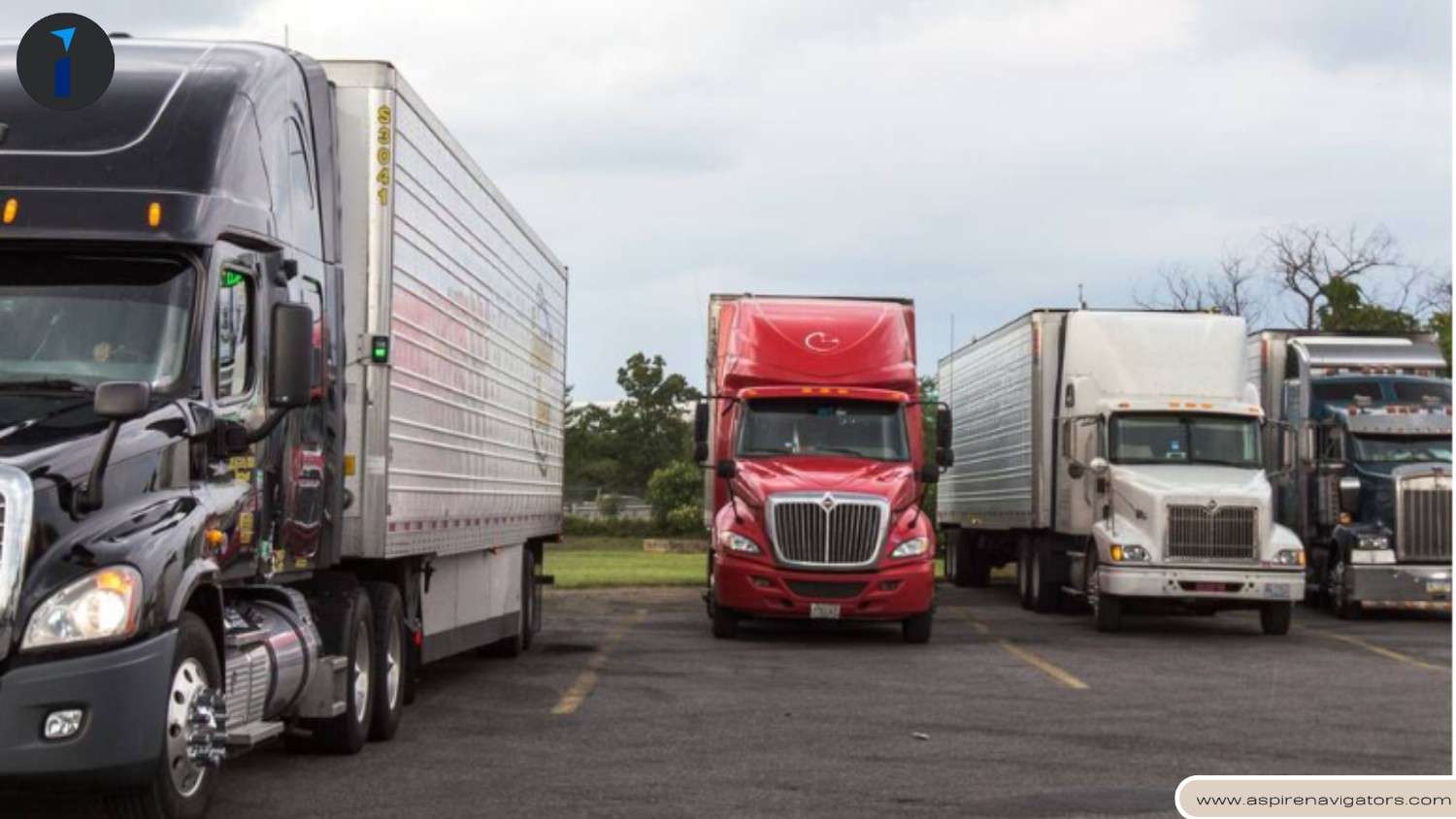
After nearly four years of challenging conditions, the US trucking industry is finally showing clear signs of recovery. Carriers across the country are reporting stronger freight demand, improving rates, and healthier business conditions after one of the longest downturns in recent industry history.
The trucking sector plays a critical role in the American economy, moving goods between manufacturers, warehouses, retailers, and consumers. When trucking slows, supply chains feel the impact. Now, industry experts believe the market has entered a new phase of growth as freight volumes increase and pricing conditions improve.
The recovery comes after years of declining rates, excess trucking capacity, and economic uncertainty that forced many operators to rethink their business strategies.
Capacity Restructuring Changes the Market
One of the biggest reasons behind the industry’s recovery is the significant restructuring of trucking capacity.
The prolonged depression in freight rates created intense financial pressure for carriers, particularly smaller operators with limited resources. As profits declined, many trucking companies exited the market, reducing overall capacity.
This industry-wide adjustment has helped restore balance between freight demand and available trucks.
Key Effects of Capacity Restructuring
- Reduction in excess trucking capacity
- Improved supply-demand equilibrium
- Greater pricing power for remaining carriers
- More stable operating environment
- Stronger market conditions for established fleets
Industry analysts say the massive carrier shakeout has created a healthier market structure and improved opportunities for companies that successfully weathered the downturn.
Freight Rates Begin to Recover
For years, trucking companies struggled with declining per-mile revenues. Freight rates remained under pressure as too many trucks competed for limited loads.
Today, that situation is changing.
Many carriers are reporting consistent rate increases across major freight lanes. The improvement is helping businesses recover margins that were heavily impacted during the downturn.
- Positive Signs in the Freight Market
- Higher contract rates
- Improving spot market prices
- Increased freight demand
- Better revenue visibility
- Stronger carrier profitability
The return of pricing stability is encouraging investment and giving trucking companies greater confidence in future business planning.
Manufacturing Activity Supports Freight Growth
Another important factor behind the recovery is the improvement in broader economic indicators.
Positive Manufacturing Purchasing Managers’ Index (PMI) data suggests increased production activity across several industries. As factories produce more goods, transportation demand naturally rises.
Manufacturers require reliable trucking services to move raw materials, finished products, and inventory throughout the supply chain.
The renewed strength in manufacturing is creating additional freight opportunities for carriers nationwide.
- Industries Driving Freight Demand
- Manufacturing
- Construction
- Consumer goods
- Retail distribution
- Industrial equipment
The increase in industrial activity is helping generate new shipment volumes and supporting the trucking industry’s rebound.
Strong Demand for Industrial Real Estate
Demand for industrial real estate has also remained resilient, providing another boost to freight transportation.
Warehouses, distribution centers, and logistics facilities continue to play a central role in modern supply chains. As companies expand storage and fulfillment operations, transportation requirements increase as well.
Industry observers note that strong warehouse activity often serves as a leading indicator of future freight demand.
Several factors are supporting growth:
- Expansion of distribution networks
- Increased inventory management needs
- Continued e-commerce activity
- Regional logistics investments
- Supply chain diversification strategies
These developments are creating additional freight movement opportunities across the country.
Rising Operational Pressures Remain a Challenge
Despite the positive outlook, trucking companies still face several operational challenges.
Higher costs continue to impact day-to-day operations, requiring carriers to carefully manage expenses while taking advantage of improving market conditions.
Key Operational Pressures
- Rising fuel expenses
- Equipment maintenance costs
- Insurance increases
- Driver recruitment challenges
- Regulatory compliance requirements
Industry leaders emphasize that while the market is improving, long-term success will depend on efficient operations and strategic planning.
Companies that balance growth opportunities with cost control are expected to perform best during the next phase of the freight cycle.
What the Recovery Means for the Supply Chain
The rebound in trucking is good news for the broader US economy. A healthier trucking sector supports smoother supply chain operations, faster deliveries, and improved product availability.
Businesses across manufacturing, retail, construction, and logistics stand to benefit from a more stable transportation market.
Benefits of a Stronger Trucking Industry
- Improved freight movement
- Better supply chain reliability
- Increased business confidence
- Greater transportation capacity utilization
- Stronger economic activity
As freight demand continues to strengthen, many analysts believe the industry has moved beyond the bottom of the cycle.
Outlook for the Months Ahead
The US trucking industry appears to be entering a period of renewed stability after years of uncertainty. Capacity restructuring, freight rate recovery, stronger manufacturing activity, and healthy logistics demand have combined to create a more favorable business environment.
While operational pressures remain, the industry’s overall direction has improved significantly. For carriers that survived the downturn, the recovery offers an opportunity to rebuild profitability and strengthen their position in an increasingly competitive market.
After nearly four years of difficult conditions, America’s trucking sector is finally back on the road to growth, providing fresh momentum for freight transportation and the wider economy.
Read our Latest Interview with Serge Deuvletian