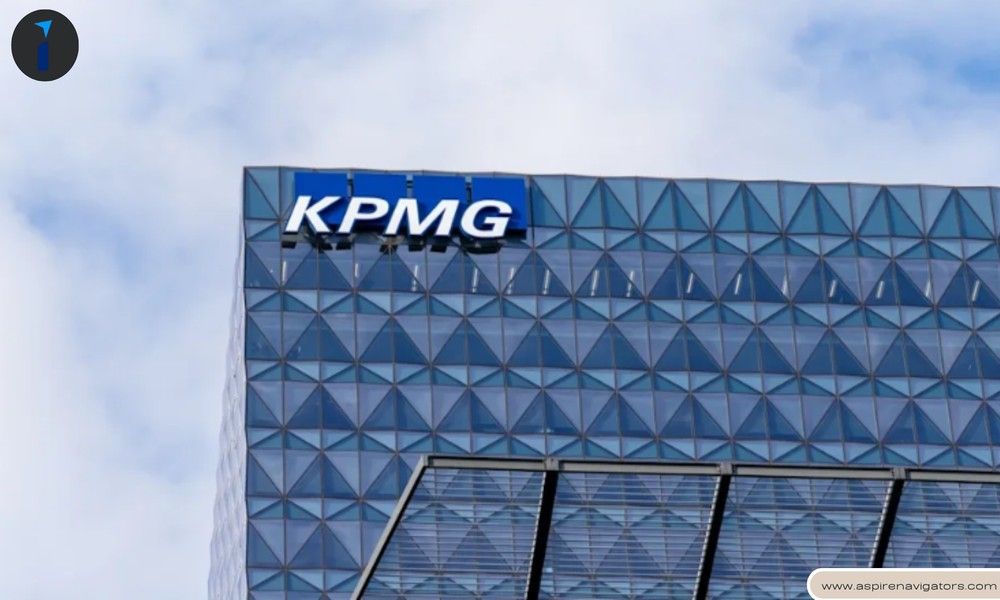
The ongoing KPMG scandal in Australia has become one of the most significant challenges facing the country’s professional services sector in recent years. What began as concerns over internal practices has evolved into a broader debate about transparency, ethics, governance, and accountability within major accounting firms.
The latest developments have placed renewed attention on how large consulting and accounting organizations manage confidential information, maintain public trust, and uphold professional standards. As scrutiny intensifies, industry observers believe the situation could become a defining moment for the future of Australia’s accounting sector.
Understanding the KPMG Scandal
The KPMG scandal has attracted widespread attention from regulators, government officials, business leaders, and the public. The controversy has raised concerns about corporate governance and the responsibilities that major accounting firms carry when advising clients and government agencies.
Accounting firms play a critical role in the economy by providing audit, tax, consulting, and advisory services. Because of this influence, any controversy involving professional conduct can have far-reaching consequences for businesses, investors, and public institutions.
The situation has sparked discussions about whether existing oversight measures are sufficient to maintain confidence in the industry.
Why the Issue Matters
Trust remains one of the most valuable assets for accounting firms. Clients rely on professional advisers to provide independent guidance, protect sensitive information, and operate with integrity.
The controversy highlights several important issues:
- Corporate governance standards
- Professional accountability
- Protection of confidential information
- Industry transparency
- Regulatory compliance
- Public trust in professional services
Industry experts believe these topics will remain central to future policy discussions and regulatory reviews.
Impact on Australia’s Accounting Sector
The effects of the KPMG scandal 2026 extend beyond a single organization. The controversy has increased scrutiny across the broader accounting and consulting industry, including other major firms operating in Australia.
Organizations are now reviewing internal policies, risk management procedures, and compliance frameworks to ensure they meet evolving expectations.
Key areas receiving attention include:
Stronger Governance Practices
Many firms are reassessing governance structures to improve oversight and decision-making processes.
Enhanced Compliance Measures
Businesses are investing in stronger compliance programs to minimize risks and maintain professional standards.
Increased Regulatory Attention
Government agencies and industry regulators are expected to continue monitoring developments and evaluating potential reforms.
Greater Transparency
Stakeholders are demanding clearer communication and accountability from professional services organizations.
The Business Impact of Reputation Challenges
Reputation plays a critical role in the professional services industry. Clients choose accounting firms based on expertise, reliability, and trustworthiness.
When controversies emerge, organizations may face challenges such as:
- Increased public scrutiny
- Client confidence concerns
- Talent retention issues
- Regulatory investigations
- Operational disruptions
- Competitive pressures
Managing these risks requires strong leadership and effective governance frameworks.
KPMG Turn Over and Industry Performance
Despite the attention surrounding the controversy, the accounting industry remains a major contributor to Australia’s business landscape. Large firms continue to generate substantial revenue through audit, advisory, consulting, and tax services.
However, discussions around KPMG turn over and business performance have become increasingly linked to questions about governance and corporate culture. Industry analysts note that long-term success depends not only on financial results but also on maintaining stakeholder confidence.
Many organizations are now placing greater emphasis on ethical leadership and risk management as part of their broader business strategies.
Calls for Reform Continue to Grow
The controversy has accelerated conversations about reform across the accounting profession. Industry groups, policymakers, and business leaders are exploring ways to strengthen oversight while preserving the industry’s ability to support economic growth.
Potential areas of focus include:
- Improved governance standards
- Enhanced professional accountability
- Stronger compliance requirements
- Better risk management practices
- Increased transparency measures
- Ongoing ethics training programs
Supporters argue that these changes could help reinforce confidence in the profession and reduce future risks.
A Defining Moment for the Industry
Many experts view the current situation as more than a single corporate controversy. Instead, it represents a broader opportunity for the accounting profession to demonstrate its commitment to integrity, transparency, and accountability.
The response from firms, regulators, and industry leaders over the coming months will likely influence how the sector evolves in the future. Businesses, investors, and government institutions will be watching closely to see how professional services organizations address growing expectations around governance and ethical conduct.
As the KPMG scandal Australia continues to unfold, it is clear that the industry faces a pivotal moment. The lessons learned from this period may help shape stronger standards, improved oversight, and renewed confidence across Australia’s accounting landscape for years to come.
Read our Latest Interview with Jill Hudgel