Feature Now Aspire Higher, Dream Bigger — Experience Exclusive Offers Like Never Before in the New Edition of Aspire Navigators!

Derek K Cafferata: Leading Beyond the Status Quo

For Derek K. Cafferata, transformation has never been about adopting the latest technology it has always been about challenging the assumptions that hold industries back. While many organizations modernize only when existing systems become too costly or too painful to sustain, he believes the greatest opportunities belong to those who choose reinvention before necessity demands it.

Throughout his career, Derek has been drawn to complex problems that others often avoid. What began as an exploration of legal and operational frameworks evolved into a deeper pursuit of business transformation. As he examined established systems, he discovered that the greatest obstacles were rarely technological. Instead, they were rooted in outdated ways of thinking frameworks designed for a world that no longer exists.

Rather than viewing structural weaknesses as failures, Derek sees them as the starting point for innovation. He believes transparency is not a liability but a strategic advantage, enabling organizations to redesign systems that are more resilient, adaptable, and future-ready. For him, lasting progress begins with the courage to question long-held assumptions.

Technology, in his philosophy, is never the destination. Automation should liberate people from repetitive work, allowing them to focus on creativity, strategic thinking, meaningful relationships, and solving the challenges that truly matter. The leaders who shape the future are not those who simply improve efficiency, but those who use technology to redefine entire industries.

Derek also believes that the future of business will be built on collaboration rather than competition alone. Organizations that treat partnerships as strategic assets instead of transactional arrangements create stronger ecosystems, unlock new opportunities, and build resilience in an increasingly interconnected world.

When markets become uncertain and change accelerates, Derek’s approach remains remarkably consistent: stay focused on purpose, resist the temptation to chase every trend, and build systems that create lasting value. The only good reason to reinvent is not to keep pace with change but to create a future that others have yet to imagine.

From Governance to Reinvention

For Derek, the defining moment of his career came not from a breakthrough technology or a boardroom decision, but while navigating an extensive set of international franchise compliance documents during a period of major operational restructuring. As he examined the complexities of global governance, he realized that the greatest challenge was not the legal framework itself, but the outdated assumptions upon which the entire system had been built. The existing model treated travel management as a static administrative function, overlooking its potential to become a dynamic financial ecosystem capable of creating liquidity, operational efficiency, and greater value for consumers.

That realization fundamentally changed his perspective. Rather than viewing himself as a custodian responsible for maintaining existing structures, Derek embraced the role of an architect of transformation. He envisioned Travel Advances not merely as a service provider, but as a financial engine that could redefine the commercial landscape through innovation, strategic thinking, and the courage to challenge long-standing industry conventions.

His confidence in this vision is grounded in years of observing how technology has reshaped industries once considered resistant to disruption. Derek has witnessed changing consumer expectations drive demand for greater transparency, personalization, and financial solutions that adapt seamlessly to individual needs. In his view, organizations that respond with only incremental improvements risk falling behind, while those that embrace deep technological integration position themselves as market leaders.

For Derek, hesitation is often more dangerous than uncertainty. While technological change inevitably brings risk, he believes complacency poses a far greater threat to long-term success. This conviction has shaped his approach to leadership, encouraging organizations to anticipate transformation rather than merely react to it.

He draws a clear distinction between leaders who use technology to preserve existing systems and those who use it to reimagine entire industries. The former see innovation primarily as a means of improving efficiency and adopt new technologies only when legacy systems become unsustainable. The latter recognize technology as a catalyst for reinvention, challenging established assumptions, redesigning business models, and creating entirely new sources of value.

According to Derek, transformational leadership is not defined by greater intelligence or access to resources, but by the willingness to embrace possibility over comfort. The leaders who shape the future are those prepared to question convention, overcome resistance, and pursue meaningful change with clarity, resilience, and purpose. In his philosophy, disruption is not an act of rebellion it is an act of responsible leadership that builds stronger, more adaptive organizations for the future.

Seeing Beyond the Noise

Derek believes that effective leadership begins with the ability to distinguish enduring trends from temporary excitement. In an era shaped by constant technological breakthroughs, shifting market narratives, and rapidly evolving consumer expectations, he argues that the most valuable skill is not predicting every new innovation but recognizing which changes are rooted in fundamental human needs.

His approach combines long-term thinking, humility, and disciplined pattern recognition. Rather than being influenced by every emerging trend, Derek focuses on principles that remain constant: people’s desire for convenience, trust, transparency, and greater financial empowerment. He believes technologies that strengthen these values are far more likely to create lasting impact than those driven solely by short-lived market enthusiasm. He also closely follows global regulatory developments, viewing them as early indicators of how industries will evolve long before the market reaches consensus.

For Derek, leadership also requires the courage to confront uncomfortable realities. He recognizes that many organizations hesitate to address structural weaknesses because doing so can challenge established practices or disrupt familiar ways of operating. However, he believes unresolved issues rarely disappear they simply become more costly over time.

Instead of viewing transparency as a source of risk, Derek considers it a strategic advantage. When he identifies operational or structural limitations, he reframes them as opportunities for reinvention rather than signs of failure. His philosophy is to pair honest assessment with a clear vision for improvement, believing that people are far more willing to embrace difficult change when they can see a credible path toward a stronger and more competitive future.

Looking ahead, Derek sees the convergence of financial technology, artificial intelligence, and personalized travel ecosystems as one of the defining transformations of the industry. He believes corporate travel is evolving beyond its traditional administrative role into a strategic financial platform capable of creating liquidity, optimizing business performance, and delivering highly personalized experiences.

In his vision of the future, organizations will increasingly use intelligent technologies to strengthen partnerships between airlines, hotels, financial institutions, and businesses while empowering travelers through data-driven financial solutions. Those willing to embrace this convergence will unlock new revenue models, stronger customer engagement, and sustainable competitive advantage. Those that remain tied to legacy thinking, he believes, risk viewing travel merely as an operational expense rather than recognizing it as a powerful engine for innovation and long-term value creation.

Leading Through Change with Curiosity and Courage

Throughout his career, Derek has learned that meaningful transformation is rarely free from resistance. Large-scale change often challenges established ways of working, creating uncertainty for individuals and organizations alike. He understands that resistance is frequently rooted in concerns about change, shifting responsibilities, and the comfort of familiar systems. Market fragmentation can amplify these challenges, making bold decisions appear riskier than maintaining the status quo.

Despite these obstacles, Derek has remained committed to pursuing long-term transformation. Drawing inspiration from the history of business innovation, he believes that many of the world’s most significant breakthroughs were initially met with skepticism. Rather than seeking unanimous approval, he focuses on making decisions guided by purpose, evidence, and long-term value. Data-driven insights provide the confidence to navigate uncertainty, while a healthy sense of humor helps build perspective and ease the tensions that often accompany organizational change.

For Derek, curiosity is one of the most important qualities a professional can cultivate. He believes that continuous learning is the strongest safeguard against becoming obsolete in an era of rapid technological advancement. In his view, automation should not be seen as a replacement for human talent but as a means of eliminating repetitive work, allowing people to devote more time to strategic thinking, creative problem-solving, and building meaningful relationships.

As technology continues to evolve, Derek encourages future leaders to embrace adaptability, develop critical thinking skills, and communicate with clarity. Above all, he believes integrity remains the foundation of lasting leadership. In a world where change is constant, trust becomes an organization’s most valuable asset. His philosophy of mentorship reflects this belief—not by telling people what to think, but by equipping them with the ability to think independently and navigate complexity with confidence.

When faced with uncertainty or crisis, Derek believes effective leadership is defined by clarity, resilience, and the courage to act. He argues that fear often leads to hesitation, but lasting success belongs to leaders who prepare thoughtfully, communicate openly, and remain focused on long-term objectives rather than short-term anxiety. Through strategic planning, transparent decision-making, and a willingness to embrace change, organizations can transform periods of disruption into opportunities for innovation and growth.

For Derek, confidence is not the absence of uncertainty it is the discipline to move forward with purpose despite it. It is this mindset that continues to shape his approach to leadership, innovation, and building businesses prepared for the future.

A Philosophy of Purpose, Partnerships, and Progress

Derek believes that long-term success belongs to individuals who cultivate strengths that technology cannot easily replicate. While artificial intelligence and automation continue to transform industries, he encourages professionals to focus on capabilities such as strategic thinking, sound judgment, empathy, relationship building, and the ability to simplify complex challenges into clear, actionable insights. In his view, meaningful careers are built not on titles, but on consistently solving problems that matter.

He also believes that the most profound disruption begins from within an organization. Before companies can reshape markets, they must first be willing to examine their own assumptions, challenge outdated processes, and embrace change with honesty and ambition. According to Derek, industry transformation is simply the external expression of an organization’s willingness to reinvent itself. True disruption, he argues, is not an act of aggression it is an act of organizational courage.

Another defining principle of Derek’s leadership philosophy is the power of partnerships. He sees collaboration as a strategic investment rather than a transactional arrangement. Strong partnerships expand capabilities, accelerate innovation, reduce risk, and allow organizations to focus on their core strengths while benefiting from complementary expertise. In an increasingly interconnected business landscape, he believes partnerships have become a fundamental driver of sustainable growth and long-term competitive advantage.

His thinking has also been shaped by the rise of platform ecosystems, which demonstrated that the world’s most influential organizations are often those that build and orchestrate networks rather than simply manage products. This perspective reinforced his belief that technology should never be viewed as a standalone function or department, but as a philosophy that influences strategy, culture, and every aspect of business transformation.

At the center of Derek’s vision is the idea of convergence the coming together of technology, finance, partnerships, and human-centered innovation to create entirely new business models. He believes organizations that recognize these intersections early will define the next generation of industry leaders.

Above all, Derek advocates decisive leadership. His guiding principle is to move forward with clarity, purpose, and conviction. In a rapidly changing world, he believes hesitation often becomes the greatest obstacle to progress, while thoughtful action creates the momentum that shapes the future.

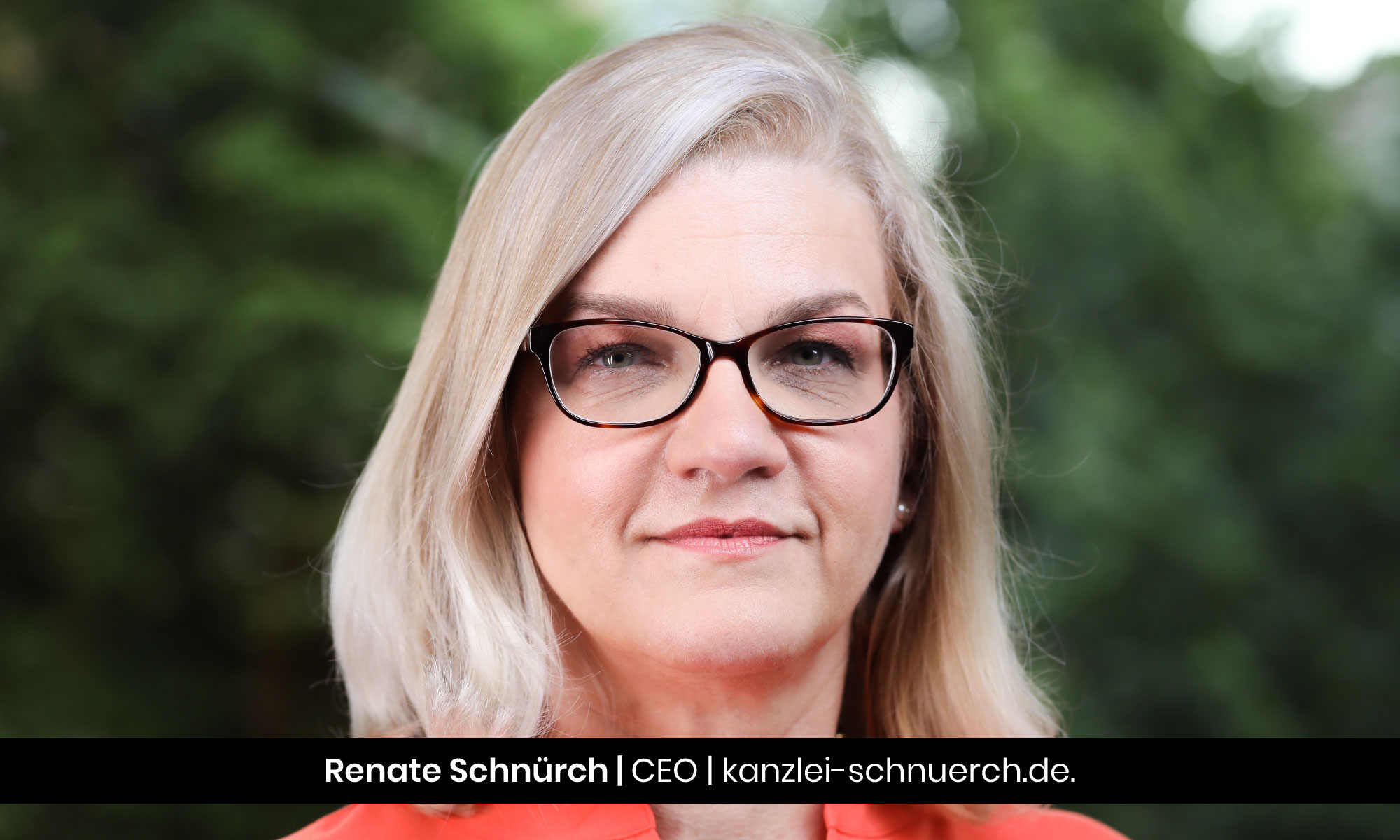
Renate Schnürch: 25 Years of Integrity in Motion!

In a profession where precision defines reputation and reputation defines legacy, Renate Schnürch chose a path few dare to take. Not the loudest, not the largest, but the most deliberate. Her story does not begin with scale, but with discernment.

Twenty-five years ago, when many firms pursued expansion through volume and standardized solutions, she leaned into something different: a hybrid philosophy. She understood early that not all challenges are created equal. Routine matters could follow structured pathways but high-stakes, strategic projects demanded something far more nuanced. Structured where appropriate, but strategic where complexity demands it, and pricing that reflected intellectual depth rather than hours billed.

Over the years, Renate discovered that excellence is rarely about visibility. It is about credibility. She learned that you can learn from anyone: a junior associate, a client navigating uncertainty, a policymaker debating reform. True authority, she realized, does not come from self-promotion. It comes from the quiet power of keeping one’s word when complexity tests it.

While others reacted to legislative changes, she closely monitored legislative developments and policy discussions at both German and European Union level to anticipate change early. Because farsighted tax strategy is not compliance alone; it is foresight. It is the ability to see where regulation is heading before it arrives and to prepare clients not just for efficiency, but for resilience.

To remain powerful yet lean, she adopted a discipline: Identify missteps early. Correct them decisively. Stay curious. Stay humble. Stay ready to learn. Her philosophy became clear proactivity over reaction. Architecture over improvisation. Depth over noise.

In that journey lies a broader professional lesson: no institution, no title, no market position can ultimately define your path. Each professional must make their way alone, guided by integrity, sharpened by curiosity, and strengthened by the courage to choose substance over scale.That commitment continues to define her work today.

Journey from Apprenticeship to Boutique Leadership in International Tax Advisory

Renate career began in 1986 with a traditional apprenticeship as a tax assistant in a well-established firm. During that same period, she also worked in retail at a bakery – an experience that, though seemingly unrelated to tax advisory, instilled in her an early appreciation for customer service, precision, and attention to detail. These formative lessons would later become integral to her professional philosophy.

As her career progressed, she joined another firm where she gained her first exposure to international business. One of her clients at the time would later become a global leader in online luxury retail. This experience sparked her enduring interest in complex cross-border tax structures and international advisory work.

After qualifying as a Certified Tax Specialist (Steuerfachwirtin), she joined Ernst & Young in 1996. This marked a pivotal phase in her career. There, she immersed herself in international taxation, working closely with large multinational corporations. She frequently operated on-site, analyzing internal processes and implementing modern technological solutions to optimize tax compliance systems and structures.

In February 2000, she qualified as a Certified Tax Advisor (Steuerberaterin). Just over a year later, in April 2001, she took a decisive entrepreneurial step: she founded her own firm – an enterprise she has led successfully ever since.

Looking back at 2001, the year of the firm’s founding and now its 25th anniversary, the professional landscape was markedly different. The environment for women in leadership was considerably more challenging, and the tax advisory industry remained largely male-dominated.

What she identified as a critical “red flag” was that high-level expertise in international tax advisory was almost exclusively confined within the rigid and often anonymous structures of the Big Four. At the same time, international companies entering the German market were seeking something fundamentally different: highly specialized, tailor-made consulting delivered without the layers of corporate overhead.

Recognizing this gap, she set out to build a firm aligned with her own vision. Her ambition was to demonstrate that top-tier technical excellence could coexist with a human-centered leadership culture. One in which clients and employees are treated as partners on equal footing. This boutique philosophy, centered on bespoke solutions rather than standardized models, has remained the cornerstone of the firm’s success for the past quarter-century.

Building Enduring Value Through Foresight, Precision, and Personal Partnership

Over the past 25 years, Renate has maintained a clear conviction: fees are never an obstacle to a long-term partnership when absolute transparency is ensured. Trust, in her view, is built not on price alone, but on clarity, consistency, and measurable value.

She follows a hybrid approach. Complex, high-level strategic mandates require a fundamentally different framework than routine compliance tasks and this distinction must be reflected in pricing. At the same time, she consistently advises her clients that premium expertise is often the most cost-effective solution in the long run. By delivering highly specialized, forward-looking advice, she helps minimize resource-draining risks and prevent costly errors before they materialize.

The fact that many of her client relationships have spanned decades stands as evidence that this philosophy works. It creates economic predictability for clients while ensuring appropriate recognition of top-tier professional performance. Over time, clients cease to view her services as a mere cost factor; instead, they regard them as a long-term investment in the stability, security, and sustainable growth of their companies.

Her transition from the scale-and-volume mindset of the Big Four to a specialized boutique structure represented, for her, a form of cultural emancipation. While she fully embraces technology for streamlining routine processes, she remains convinced that no digital tool can replace truly bespoke advisory advice that understands a client’s unique operational DNA.

For her, consulting goes far beyond identifying isolated risks or answering technical questions. True advisory lies in anticipating how a client’s tax structure will evolve within the framework of their long-term business strategy. It requires foresight, contextual intelligence, and a deep understanding of the business as a living system.

This level of engagement requires direct partner involvement and cannot be delegated into standardized processes. By consistently adhering to the credo of “quality over quantity” for a quarter-century, she has demonstrated that the market deeply values this distinction. Her clients are not seeking standardized processes; they are seeking a partner who thinks three steps ahead. And that is a value proposition that volume-driven firms simply cannot replicate.

Staying Lean Yet Powerful

One of the greatest challenges throughout Renate journey has not been competition, but complacency. Past success, she believes, can quietly become the biggest obstacle to future excellence. To remain both powerful and lean requires constant vigilance: continuously searching for better solutions, identifying missteps at an early stage, and having the decisiveness to correct them without hesitation.

In talent acquisition, her philosophy goes far beyond recruitment. For her, it is about cultivating a culture in which knowledge-sharing is actively practiced and where suggestions for improvement are embraced as motivation rather than perceived as criticism. Guided by the principle “Work smarter, not harder,” she views technology as an evolving instrument one that enhances efficiency but only delivers value within a team that genuinely assumes ownership and responsibility.

This mindset demands continuous refinement of both team dynamics and leadership structures. She intentionally invites external perspectives to challenge established thinking, including experts such as Salmaan Sana, whose insights help sharpen strategic direction. For her, leadership is the heartbeat of a firm an ever-present force that determines whether an organization remains adaptable or stagnates. It is precisely this philosophy that she has chosen to spotlight at the IR Global Conference in Singapore, framing the concept of staying “lean yet powerful” as an ongoing journey of disciplined evolution.

In premium tax strategy, she views the relationship between past and future not as static compliance, but as dynamic layering. While every structure must rest firmly on current legislation and established case law, truly farsighted planning anticipates political discourse and regulatory shifts both at the German national level and within the broader European Union framework.

Insights shared at the International Fiscal Association European Conference 2025 reinforce this broader perspective. When companies make major strategic decisions such as relocating operations tax considerations statistically rank only sixth. Operational, economic, and strategic factors frequently carry greater weight. This reality reshapes her role: tax strategy must not dominate the business narrative, but integrate seamlessly within it.

For innovative business models, particularly in the startup ecosystem, there is often limited judicial guidance available. In such cases, she advises through carefully constructed analogies and by monitoring emerging trends in international tax developments while maintaining full transparency about potential uncertainties. Planning, in her view, is therefore not the mechanical application of precedent. It is a qualitative, multifaceted discipline one that requires navigating the evolving international tax environment with foresight and clarity.

Curated Compliance and Kaizen

To shield her clients from sudden legislative shifts, she developed a principle she calls “Curated Compliance.” Rather than overwhelming clients with generic mass newsletters, she relies on three precise internal mechanisms designed to deliver relevance instead of noise.

First, the Individual Filter Function.
Every significant tax or regulatory development is immediately reviewed by senior management and cross-referenced against each client’s specific portfolio. Only those directly affected are informed accompanied not merely by theoretical background, but by a clear and concrete call to action.

Second, Active Networking as an Early Warning System.
Through her deep involvement in global professional networks such as the International Fiscal Association and IR Global, she monitors global regulatory trends, often well before they are enacted into German law. This forward visibility enables strategic preparation instead of reactive adjustment.

Third, Preventive Sensitization.
She does not wait for a looming deadline. The moment a significant regulatory shift becomes foreseeable, she initiates proactive dialogue with affected clients, ensuring that structural or strategic adjustments are implemented with sufficient lead time.

In essence, her firm applies a structured monitoring system to ensure clients receive relevant, timely updates, filtering complexity, eliminating irrelevant information, and delivering tailored relevance precisely where it matters most for long-term security and planning.

At the heart of this philosophy lies a guiding principle: Kaizen, the commitment to continuous, daily improvement. Over 25 years, she has learned that true excellence demands humility the willingness to learn from anyone, regardless of title or hierarchy. Whether it is the fresh analytical lens of a junior tax assistant or the practical efficiency of a service professional, every interaction becomes an opportunity for refinement.

Within her firm, this mindset translates into an ongoing process of evolution. The status quo is never sufficient. Processes are continuously optimized, assumptions questioned, and perspectives refreshed. For her, leadership is not defined by position at the top, but by curiosity and the discipline of incremental progress the small daily adjustments that, over time, lead to extraordinary outcomes for both team and clients.

She does not point to a single idol or public figure as her inspiration. Instead, she draws strength from the individuals who have entrusted her with their most complex challenges: Tax Directors, CFOs, and long-standing companions whose integrity and composure under pressure have become her compass.

When a client places trust in her during a highly complex crisis, it represents more than a mandate it is a profound commitment. From these experiences, she learned that true strength lies not in visibility or self-promotion, but in the reliability of one’s word.

This mutual trust fuels her commitment to Kaizen. Each day is an opportunity to justify that trust anew by evolving herself and her firm. For her, inspiration is not a static concept it is the enduring echo of respect earned and returned over a 25-year journey.

Integrity, Precision, and the Architecture of Predictable Growth.

In complex international tax disputes, she has learned that clients are not looking for validation, they are looking for clarity. For her, communicating the “hard truth” is not bluntness; it is integrity. She does not hide behind technical jargon or soften difficult realities. Instead, she presents the legal situation with precision and transparency, transforming it into a solid foundation for strategic decision-making.

Confidence and authority, in her understanding mean articulating facts objectively and accurately while maintaining control of the broader narrative. Even in high-stakes disputes, her methodology reflects the principle of Kaizen: weaknesses in the current position are identified immediately and examined without hesitation. From that honest assessment, she and her team develop the strongest possible response or settlement strategy through incremental, targeted refinements. Small, precise adjustments executed consistently ultimately create decisive strength.

For her, stability is never static. It is the outcome of sustained integrity within the legal framework. After more than 25 years working at the intersection of international commerce and tax law, she views her firm as playing a quiet yet meaningful role in strengthening Germany’s standing as a predictable and reliable jurisdiction.

International investors, she observes, are not motivated solely by tax efficiency. They seek predictability. They seek assurance that the legal environment will function consistently and transparently. Her contribution lies in translating complex German regulations into a language and structure that align with global expectations. Through composure, technical depth, and long-standing experience in navigating local authorities and courts, she helps create the trust necessary for significant cross-border investments.

Here, too, Kaizen remains central. Processes are continuously refined to bridge the perceived gap between “German thoroughness” and the accelerated pace of international markets. In her view, Germany will remain an attractive business hub only if advisors deliver uncompromising quality while remaining open to global best practices.

She does not see her role as limited to tax advisory. Rather, she regards her work as contributing to a broader mission: safeguarding a fair, transparent, and stable economic environment one in which clarity prevails over uncertainty, and integrity becomes the foundation of long-term trust.

Future-Ready Tax Advisory Rooted in Integrity, Foresight, and Kaizen

Renate’s roadmap for the next decade is not guided by expansion for its own sake, but by an uncompromising pursuit of precision. The reputation of Renate Schnürch’s firm rests on what she calls a “specialized touch” – the rare fusion of deep technical excellence and profoundly human integrity.

To scale impact, she embraces selective growth. Rather than attempting to dominate every niche, the firm deliberately strengthens its core expertise. Its identity is preserved through the consistent integration of Kaizen into its DNA: structures are questioned daily, processes refined continuously but core values remain untouched.

A central pillar of this roadmap is generational mentoring. She views it as her responsibility to pass on 25 years of experience in a way that enables the next generation to develop their own voice and leadership style. At the same time, she ensures that the “Renate Schnürch spirit” that distinctive balance of accessibility and incorruptible professionalism remains embedded at the firm’s core. For her, impact is not defined by size, but by credibility. The goal is not to be the largest firm in the room, but the one whose word carries decisive weight in complex matters. Curiosity and the willingness to learn from anyone, at any time remain constant principles.

Looking ahead, she sees a fundamental transformation in the profession itself. The traditional legal researcher who merely applies statutes remains the foundation but no longer the entire structure. The tax expert of the future must evolve into a strategic business architect.

In an era marked by global volatility and regulatory complexity, it is no longer sufficient to simply identify guardrails. The modern advisor must design the structure itself. This demands a far deeper understanding of clients’ business models in order to reconcile tax efficiency with operational resilience.

Such a shift requires a new form of professional composure. The role is no longer limited to issuing technical opinions; it involves actively supporting clients in structuring sustainable, future-proof business models. Integrity becomes the essential instrument in this process. Like any responsible advisor, she ensures structures are legally sound and resilient.

Only those who continuously integrate technological, regulatory, and economic developments in the true spirit of Kaizen will remain relevant. The future of tax advisory does not lie in constructing rigid monuments of compliance, but in designing dynamic frameworks capable of adapting to change while preserving structural integrity.

If she were to reduce her philosophy to a single defining metric, she would call it the “Tax Resilience Ratio.” It is not an accounting formula, but a strategic compass: the relationship between tax optimization and a company’s legal and operational durability.

In her view, an extremely low tax rate is meaningless if it collapses at the first legislative amendment or during a rigorous tax audit. As a strategic business architect, she measures success by one central question: How stable is the tax foundation when exposed to external shocks? True professional composure reveals itself in structures that do not merely generate short-term savings, but withstand long-term scrutiny. This is Kaizen applied to tax strategy continuous optimization not for quarterly optics, but for sustainable integrity.

Designing Tax Structures That Withstand Scrutiny, Embrace Integrity, and Secure Long-Term Resilience

Renate believes modern companies must decisively abandon the outdated “cat-and-mouse” mentality that once shaped parts of the advisory industry the search for loopholes, the stretching of grey areas, the reactive adjustment once authorities intervene. In an era defined by ESG expectations, global transparency standards, and instantaneous reputational exposure, such tactics are no longer bold; they are existential risks.

The new philosophy must be proactivity over reaction. Tax optimization detached from business strategy and moral integrity is, in her words, “building on sand.” She replaces the old question How can we get away with this? with a fundamentally different one: How can we design a tax structure so resilient and principled that it becomes a competitive advantage?

Today, professional composure no longer lies in concealment. It lies in clarity in legally sound, transparent structuring capable of withstanding both regulatory review and public scrutiny. That is how she envisions securing stability not just for the present, but for the next 25 years.

During the height of tax season, she describes the atmosphere within her firm in three words: focused, synchronized, resilient. The dynamic resembles a beehive each individual fully aware of their role, processes interlocking seamlessly, intensity balanced by deep concentration. It is in these demanding phases that the firm’s culture proves its strength.

Guided by a Kaizen-driven framework, processes have been refined to ensure that even under maximum pressure, integrity is never compromised. The pace may accelerate, but composure remains constant. In these high-energy moments, the team grows beyond itself efficient, aligned, and unwaveringly committed to delivering the best possible outcome for every client.

The Relentless Pursuit of Mastery in International Tax Law

Renate’s most important tool is neither an algorithm nor a handbook. It is an insatiable curiosity. She does not experience the complexity of German legislation as a burden, but as an intellectual arena that challenges and sharpens her thinking every single day.

It is this genuine passion for tax law that compels her to look deeper than surface-level interpretation. Curiosity fuels her personal understanding of Kaizen: she does not merely want to know what the law states; she seeks to understand why it exists and how it can be structured securely and with integrity for her clients within a broader strategic framework.

For her, the moment one stops asking questions is the moment one begins to lose relevance. Mastery of the law does not mean rigid certainty; it means preserving the mindset of a learner. Only by maintaining that enthusiasm that willingness to continuously explore, reassess, and refine can a professional remain impactful in a field as dynamic and globally interconnected as international tax law.

Even after decades in the profession, it is this intellectual curiosity that  keeps her edge sharp and her advisory forward-looking.

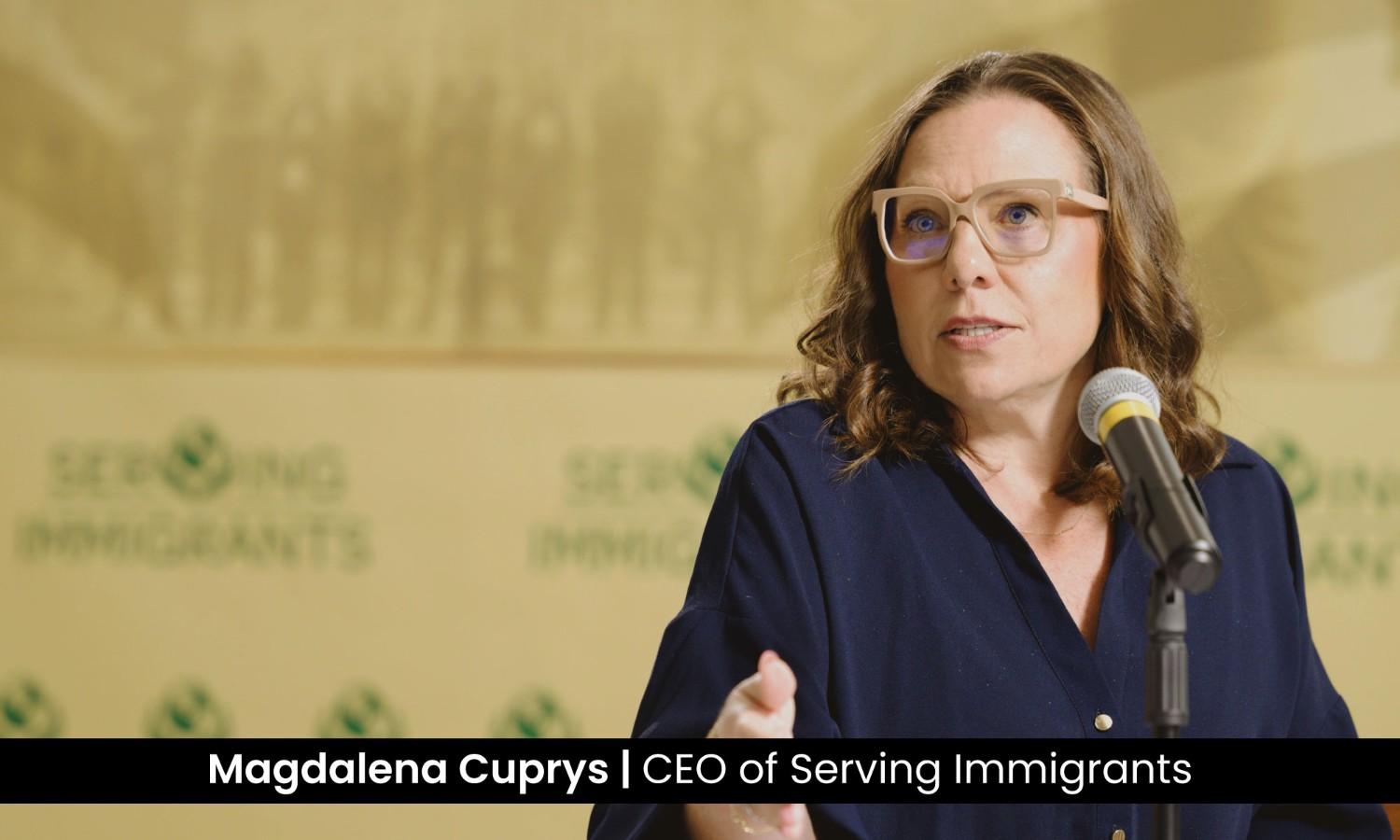
Magdalena Cuprys: Leading with Experience, Discipline, and Impact in Immigration Law

Magdalena Cuprys believes in the transformative power of words and the lasting impact of disciplined action. Early in her career, she witnessed firsthand how organized, proactive, and principled legal teams could change lives. As a student intern at the Northwest Immigrants Rights Project, she worked directly with immigrant communities, seeing not abstract legal cases, but real people navigating some of the most stressful moments of their lives. Those experiences shaped her leadership philosophy: that strategy and expertise matter, but what truly builds a strong organization is the discipline to follow through on commitments every single day.

As CEO of Serving Immigrants, Magdalena ensures that her teams have the frameworks, systems, and culture to deliver reliable, high-quality legal support. She understands that in immigration law, the difference between success and failure often comes down to careful preparation, strategic thinking, and deep legal experience. By combining empathy with expertise, she leads with a vision where every word, every decision, and every action can create meaningful, lasting impact in the lives of those she serves.

Building Impactful Immigration Services Through Responsibility, Efficiency, and Operational Excellence

One of the most formative experiences in Magdalena’s early career was working directly with immigrant communities as a student intern at the Northwest Immigrants Rights Project. That experience gave her an early and profound understanding of the human side of immigration law. These were not abstract legal problems they were families, livelihoods, and futures dependent on the quality and speed of legal work.

From this experience, she learned two principles that continue to guide her leadership: responsibility and efficiency. Responsibility, for Dr. Cuprys, means recognizing that legal strategy carries real-life consequences. When representing clients whose ability to remain in the country depends on her team’s work, delays and errors are unacceptable. This mindset shapes how she structures teams, builds processes, and makes decisions.

Efficiency is the second guiding principle. Immigration law is complex, but complexity should never be an excuse for slow execution. Early exposure to well-organized, disciplined, and proactive legal teams showed her that cases move faster, clients feel more supported, and outcomes improve when operational rigor is applied alongside legal expertise.

These lessons underpin Dr. Cuprys’s leadership philosophy: organizations thrive when legal talent is combined with operational discipline. Legal expertise alone is not enough; systems, accountability, and strategic thinking are essential to growing a firm while maintaining quality.

At Serving Immigrants, she focuses on building robust systems for case management, legal review, and client communication, enabling the legal team to concentrate on strategic work and advocacy. The firm operates with clear performance standards and structured workflows, emphasizing accountability and continuous evaluation to improve efficiency without compromising ethics or quality. For Dr. Cuprys, every operational decision must serve two outcomes: better client results and a stronger organization. If it does not achieve both, it is rethought.

Outcome-Driven Leadership

For Magdalena, an outcome-first mindset shapes every aspect of how services are designed and delivered. In immigration law, clients often seek assistance during some of the most stressful moments of their lives. They are not looking for complexity they need clarity, strategic guidance, and results.

At Serving Immigrants, services are designed by starting with the desired outcome and working backward: What does the client ultimately need? Which legal path provides the strongest solution? What timeline and documentation strategy will best support that goal? This outcome-focused approach also informs team structure, ensuring that every member understands how their role contributes to the final case outcome. When team members see this connection, their work becomes more focused, accountable, and effective.

From the client’s perspective, this approach transforms the experience. Instead of feeling lost in a legal process, clients see a structured path forward. For Dr. Cuprys, strategy is simply discipline applied to long-term goals: keeping the end result in focus makes decisions clearer and more effective.

The most challenging adjustment in her career was stepping back from direct casework to focus on building systems that enable others to succeed. Lawyers are trained to solve problems themselves, but as CEO, her responsibility is to create an environment where talented professionals can perform at their highest level. This requires both trust and structure: clear expectations, strategic direction, and accountability. Leadership, she has learned, is not about controlling every detail it is about ensuring that the right people, processes, and standards are in place so that the organization consistently delivers results.

Outcome-Driven Leadership

For Magdalena, consistency and excellence in legal services stem from a combination of structure and shared values. At Serving Immigrants, clear legal standards, internal review systems, and communication protocols ensure that every case receives the same level of diligence and strategic thinking.

At the same time, immigration law requires nuanced judgment every case is unique, and lawyers must exercise professional discretion. That is why Dr. Cuprys emphasizes culture as much as structure. Her team shares a deep understanding that their work impacts people’s futures, and this collective sense of responsibility naturally drives high standards. Her role is to ensure the frameworks exist so that professionals can apply their expertise effectively and ethically.

Immigration law is an environment of constant change, with evolving regulations, shifting policies, and increasingly complex client needs. To navigate this, Dr. Cuprys prioritizes building systems that allow the organization to adapt quickly. Continuous training, robust internal communication channels, and flexible operational processes ensure the team remains agile without compromising quality.

Equally important is the human dimension of leadership. Dr. Cuprys believes that during uncertain periods, creating stability is critical. Teams perform best when they understand the organization’s direction and feel supported. Leadership, she demonstrates, requires clarity, calm decision-making, and consistent communication, even in the face of change.

Leading with Legal Expertise, Operational Discipline, and Compassion to Transform Immigrant Lives

For Magdalena, carrying responsibility for both legal outcomes and organizational performance brings accountability into sharp focus. Every decision has consequences for clients, employees, and the long-term health of the organization. She believes that trust and accountability go hand in hand: trust empowers professionals to perform confidently, while accountability ensures that standards remain consistently high.

In executive leadership, decisions often require balancing legal strategy, operational resources, and long-term organizational goals. Discipline is essential; every decision must align with the organization’s mission and its responsibility to clients. Clarity is a cornerstone of her approach. Immigration law is complex, but clients should never feel overwhelmed. Dr. Cuprys emphasizes translating complexity into understandable strategy, providing transparency about processes, risks, and potential outcomes.

Empathy is equally critical. Many clients are navigating life-changing decisions under significant stress, and balancing legal accuracy with human understanding is central to her philosophy. Clear, respectful, and honest communication fosters trust naturally.

Dr. Cuprys views legal experience as the foundation for responsible leadership. Immigration law is not just a service industry it is a specialized legal discipline directly affecting people’s rights and futures. Leaders who understand these complexities make better strategic decisions regarding case strategy, team structure, and service design, while also building credibility with clients. From a business perspective, legal expertise enables identification of opportunities to deliver real value. It is this combination of deep legal knowledge, strategic thinking, and disciplined execution that drives sustainable growth under her leadership.

Empathy to Transform Immigration Law and Lives

For Magdalena, one of the most overlooked yet critical qualities in legal leadership is operational discipline. While legal expertise is essential, long-term success depends on systems, consistency, and accountability. Organizations grow when processes are clear, expectations are defined, and teams understand how their work contributes to the overall mission. Operational discipline may not always be visible, but it enables mission-driven organizations to scale while maintaining quality.

Dr. Cuprys believes that the combination of strong legal knowledge, strategic thinking, and disciplined execution is what creates lasting impact. In immigration law, strategy and expertise matter, but what truly builds a strong organization is the discipline to follow through on commitments every day. Clients rely on the firm during some of the most critical moments of their lives, and leaders must create systems and teams capable of delivering reliable, high-quality work consistently.

Immigration law is often misunderstood as merely completing forms or following a standard process. In reality, it is highly strategic legal work. Every case demands analysis, planning, and careful documentation. Success often comes down to legal strategy, preparation, and experience.

A defining influence in Dr. Cuprys’s career was her early work with immigrant advocacy organizations while still in law school. Seeing firsthand how legal work could directly change the trajectory of someone’s life reinforced her commitment to immigration law and shaped the sense of responsibility she carries into every case and leadership decision today. With an academic background in political science and Latin American studies, she might have pursued a career in international policy or diplomacy, but immigration law offered a unique intersection of law, government, and global mobility areas she has dedicated her career to navigating and improving.

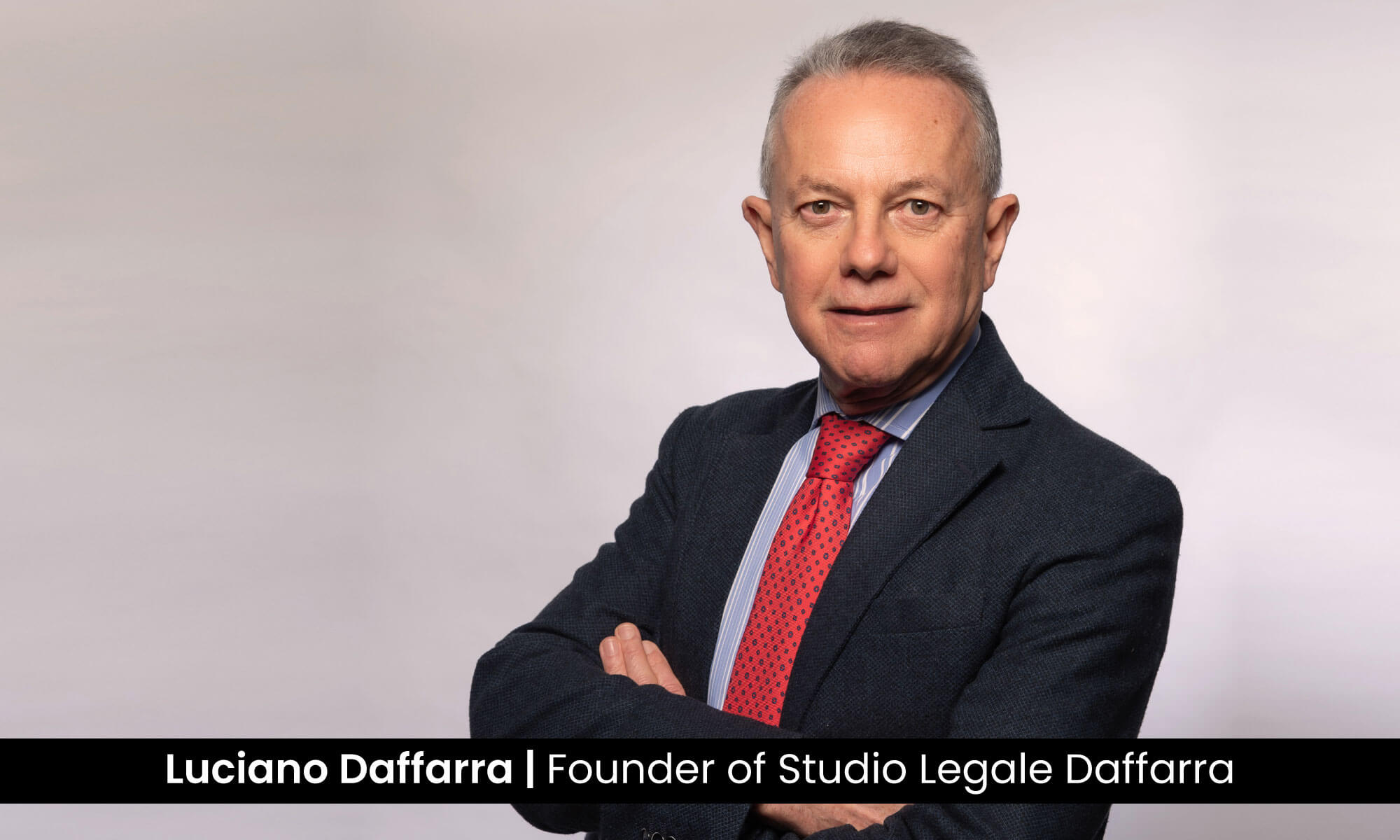
Luciano Daffarra: The Invisible Architect Behind Global Entertainment, Diplomacy, and Cross-Border Opportunity

In the world of international business and entertainment, success is often measured by what the public sees. A successful film premiere. A global celebrity appearing on television. A landmark cultural exchange. An international production crossing borders seamlessly. Yet behind many of these visible achievements lies an invisible infrastructure of legal expertise, strategic foresight, and institutional understanding.

For decades, Luciano Daffarra has been one of the individuals quietly shaping that infrastructure.

While many professionals build careers around visibility, Daffarra built his reputation by making success possible for others. His work has spanned international entertainment law, intellectual property, film financing, immigration frameworks, diplomatic relations, and cross-border commercial transactions. Throughout this journey, he has demonstrated a rare ability to bridge legal complexity with practical execution, enabling opportunities that might otherwise never have materialized.

Today, he is recognized not only as a legal expert but as a strategist, advisor, and global connector whose influence extends far beyond the courtroom.

A Journey Built on Vision Rather Than Convention

The path that led Luciano to international prominence was never conventional.

At a time when globalization was still emerging and international entertainment markets were far less interconnected than they are today, Daffarra recognized an opportunity that many others overlooked. He understood that as creative industries expanded beyond national borders, the demand for legal professionals capable of navigating multiple jurisdictions would become increasingly important.

Rather than limiting his practice to traditional legal work, he positioned himself at the intersection of law, media, business, and international relations.

This approach allowed him to become more than a legal advisor. He became a facilitator of opportunity.

As global entertainment expanded and international productions became increasingly complex, Daffarra found himself working on matters that required a deep understanding of intellectual property rights, international agreements, licensing structures, immigration regulations, cultural sensitivities, and institutional frameworks.

The result was a career defined not by isolated legal victories but by the successful execution of ambitious international initiatives.

The Invisible Engine Behind International Success

One of the most fascinating aspects of Daffarra’s career is that much of his work cannot be measured through public recognition alone.

The true impact of his efforts can often be seen through outcomes rather than headlines.

Throughout various periods of international entertainment development, numerous artists, performers, producers, and public figures successfully established their presence within Italy and broader European markets. Public appearances, television credits, media archives, and industry records provide evidence of these achievements.

What audiences rarely see are the legal, regulatory, and strategic processes that made those appearances possible.

Cross-border entertainment activity requires careful navigation of immigration regulations, contractual structures, intellectual property protections, labor requirements, taxation considerations, and institutional approvals. Daffarra became known for understanding how these moving parts could be aligned to create successful outcomes.

His contribution was often invisible by design.

The artist received the applause. The production received the publicity. The event received the headlines.

Behind the scenes, Daffarra ensured that the machinery enabling those achievements functioned efficiently and legally.

This ability to remain focused on results rather than recognition would become one of the defining characteristics of his leadership philosophy.

Navigating Institutional Transformation

Beyond entertainment law, Daffarra’s career also evolved alongside significant institutional and geopolitical changes.

International business increasingly required collaboration between governments, consulates, cultural organizations, and regulatory bodies. Success was no longer determined solely by commercial agreements; it depended on understanding how institutions functioned and how legal frameworks evolved over time.

Daffarra demonstrated an exceptional ability to operate within these environments.

His work intersected with important developments involving consular systems, international cultural exchanges, and regulatory frameworks that shaped cooperation between nations.

Rather than reacting to institutional change, he anticipated it.

By aligning his practice with publicly documented diplomatic milestones, evolving regulatory frameworks, and recognized international protocols, he created opportunities for clients to engage confidently in new markets.

His success was rooted in a simple but powerful principle: understanding systems before others fully recognize their potential.

Protecting Value in a Globalized World

As international commerce expanded, so did the complexity of protecting intellectual property and institutional reputations.

Throughout his career, Daffarra became involved in numerous matters requiring sophisticated legal strategies and careful stakeholder management.

One notable example involved the protection of rights associated with Pope John Paul II, Radio Vaticana, and intellectual property connected to the renowned Abbà Pater project. The matter concerned the unauthorized commercial exploitation of protected materials, requiring coordination across multiple jurisdictions and engagement with international legal counsel.

The significance of such cases extends beyond legal technicalities.

They demonstrate the importance of preserving institutional integrity, protecting intellectual property, and ensuring that globally recognized entities maintain control over how their identities and assets are used.

For Daffarra, these matters represented more than legal disputes. They reflected a broader responsibility to safeguard trust, credibility, and value.

This perspective has remained central throughout his career.

Law, in his view, is not merely about resolving conflicts. It is about creating environments where innovation, creativity, and enterprise can flourish within clear and respected boundaries.

Leadership Through Expertise

While many leaders build influence through visibility, Daffarra built influence through mastery.

His reputation within international legal and entertainment circles stems from a willingness to engage deeply with complex issues that others often avoid.

This expertise has been recognized through his participation in international arbitrations , including those associated with the American Film Market and the International Film & Television Alliance.

Within these environments, discussions frequently involve highly specialized topics such as international co-productions, distribution rights, intellectual property structures, financing mechanisms, regulatory compliance, and emerging industry challenges.

Participation at this level requires more than theoretical knowledge.

It requires practical experience, technical precision, and the ability to understand how legal decisions influence broader business outcomes.

Daffarra’s standing within these professional circles reflects decades of accumulated expertise and a reputation for delivering solutions within some of the most demanding sectors of international business.

A Leadership Philosophy Grounded in Service

Despite his accomplishments, Daffarra’s leadership philosophy remains remarkably straightforward.

He believes leadership is fundamentally about service.

The role of a leader is not to seek recognition but to create conditions that allow others to succeed.

This mindset has shaped every stage of his career.

Whether advising entertainment professionals, negotiating complex agreements, facilitating international partnerships, or protecting intellectual property, his objective has remained consistent: help clients achieve outcomes that create long-term value.

This approach requires patience, discipline, and a willingness to prioritize substance over visibility.

It also requires humility.

Many of the most important contributions a leader makes will never appear in public records or media coverage. Yet those contributions often determine whether a project succeeds or fails.

Daffarra understands this reality better than most.

Lessons From a Lifetime of International Practice

Reflecting on decades of experience, several themes emerge from Luciano Daffarra’s professional journey.

The first is adaptability.

The world changes constantly. Technologies evolve. Industries transform. Regulations shift. Markets emerge and disappear.

Success belongs to those who remain curious and willing to learn.

The second is preparation.

Opportunities rarely arrive without warning. More often, they emerge from years of preparation and accumulated knowledge.

The ability to recognize opportunity depends upon being ready when it appears.

The third is integrity.

Trust remains the foundation of every successful professional relationship. Reputation is built over decades but can be damaged quickly.

For Daffarra, maintaining credibility has always been more important than pursuing short-term gains.

Finally, there is perspective.

International business is ultimately about people. Contracts, regulations, and transactions matter, but relationships remain at the heart of every successful enterprise.

Understanding cultures, respecting differences, and building genuine partnerships creates opportunities that no legal document alone can achieve.

Advice for the Next Generation

When asked what advice he would offer aspiring professionals entering international law, entertainment, or business, Daffarra’s message is both practical and timeless.

Develop expertise.

Learn continuously.

Study not only your own profession but also the industries your clients operate within.

Understand how business works. Understand how governments function. Understand how cultures interact.

Most importantly, remember that success is rarely achieved alone.

The greatest opportunities emerge through collaboration, trust, and shared vision.

Professionals who focus exclusively on their own advancement often limit their potential. Those who focus on creating value for others build careers capable of lasting impact.

A Legacy Still Being Written

The story of Luciano Daffarra is not simply the story of a lawyer.

It is the story of a professional who recognized that law could serve as a bridge rather than a barrier. A leader who understood that influence often operates behind the scenes. A strategist who anticipated global change before it became obvious.

Throughout a career spanning international entertainment, intellectual property, diplomacy, and business, he has demonstrated that the most enduring success is often achieved quietly.

Not through headlines.

Not through publicity.

But through consistent excellence, trusted expertise, and an unwavering commitment to helping others succeed.

In an increasingly interconnected world, those qualities have never been more valuable—and they continue to define the remarkable legacy of Luciano Daffarra.

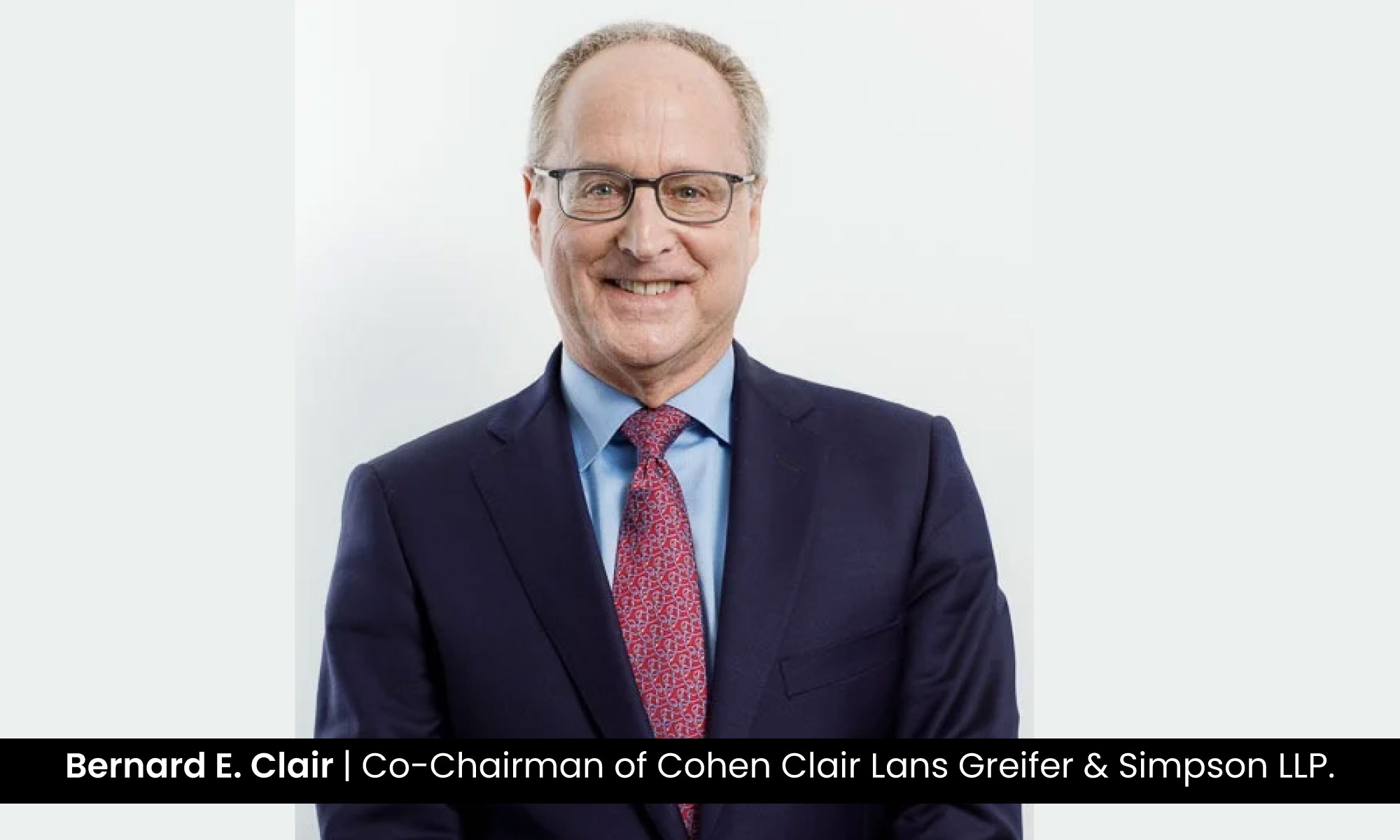
Ambition Unleashed: A Journey of Legal Tenacity and Leadership with Bernard E. Clair

Few stories in the dynamic realm of legal practice resonate as profoundly as that of Bernard E. Clair, Co-Chairman of Cohen Clair Lans Greifer & Simpson LLP. Bernard is a legal luminary with a career spanning decades. He graciously shared his insights and experiences with Aspire Navigators Magazine, providing readers with a glimpse into the qualities that make a successful leader.

A Humble Beginning:

Bernard started his legal career just after the United States Supreme Court allowed attorney advertising. He decided to advertise in the Village Voice, a local City newspaper, which

marked the beginning of a successful career. His waiting room was soon filled with clients seeking uncontested divorces, which helped him gain invaluable practice hours. Bernard reflects on how humble his first New York City apartment was when compared to the bills he would later receive, symbolizing the growth that would come with his ambitious pursuit of legal excellence.

The Trifecta of Success:

When asked about the personal qualities that contributed most to his success, Bernard succinctly replied, “Ambition, ambition, and ambition.” He humorously notes the initial realization that ambition was not a curse word, underscoring the driving force behind his achievements.

Guiding Aims and Ideals:

Bernard emphasizes the irreplaceable value of hard work as an individual and professional mantra. Recalling his early days handling a dental malpractice trial with minimal preparation time, he shares how confidence was built through overcoming challenges – a testament to his dedication to his craft.

Primary Offerings of Cohen Clair Lans Greifer & Simpson LLP:

The firm specializes in all aspects of divorce, including pre and postnuptial agreements, paternity, Family Court matters, and more. Notably, the firm steers clear of adoptions, maintaining a focused expertise in family law matters.

Overcoming Career Obstacles:

For Bernard, the toughest obstacle has been the notion of retirement. At 72 years old, he humorously contemplates never retiring unless a young attorney manages to best him in court, adding a touch of competitive spirit to his enduring passion for the law.

Recognitions and Accolades:

Bernard has received numerous awards, including the 2014 Outstanding Alumnus award from Adelphi University. His achievements and contributions to the legal field have not gone unnoticed, reflecting the high esteem in which he is held.

The Mantra of Ambition:

Ambition, according to Bernard, is not a dirty word. This mantra has guided his career, instilling a sense of purpose and determination that has fueled his journey to becoming a prominent legal figure.

Inspirations in Life:

Reflecting on the inspirations that have shaped his life, Bernard E. Clair draws from a diverse array of figures who have left an indelible impact. John Glenn, the pioneering astronaut, symbolizes the courage to explore uncharted territories. Judge Elliot Wilk, with discerning wisdom, recognized potential in Bernard that transcended conventional expectations. Additionally, Paul Doherty, the lacrosse coach, fostered not just fearlessness but instilled the resilience needed to overcome obstacles. Each of these inspirations contributes to the multifaceted perspective Bernard brings to both his professional and personal endeavors.

Future Endeavors:

Looking ahead, Bernard envisions continuing to provide his clients with peace of mind and financial security. Amidst his legal pursuits, he plans to savor life to the fullest, a testament to his balanced approach to professional and personal fulfillment.

Lessons from Notable Mentors:

The wisdom imparted by influential mentors has been a cornerstone of Bernard’s journey. John Glenn’s fearless exploration taught him the importance of pushing boundaries in the legal arena. Judge Elliot Wilk’s guidance went beyond legal acumen, emphasizing the significance of integrity and empathy in the pursuit of justice. Coach Paul Doherty’s mentorship extended beyond the field, instilling qualities of discipline and determination. These mentors collectively shaped Bernard’s character, leaving a profound impact on his approach to leadership, legal practice, and life itself. The amalgamation of these lessons underscores the holistic foundation on which Bernard has built his illustrious career.

Reflections on Achievements:

Bernard takes pride in the recognition received by both himself and his firm. Notably, the Outstanding Alumnus award from Adelphi University in 2014 stands out as a testament to his contributions beyond the legal arena. Such accolades reinforce the significance of dedication, hard work, and a commitment to making a positive impact in both professional and community spheres.

Navigating Challenges:

The legal landscape is fraught with challenges, and Bernard’s journey has not been without its share. From the intricacies of complex cases to the evolving dynamics of family law, he navigates challenges with a blend of experience, legal acumen, and a relentless pursuit of justice. For Bernard, each obstacle has been an opportunity for growth and refinement.

The Legacy Continues:

As Bernard contemplates his future, his commitment to the legal profession remains unwavering. His anticipation of potential successors besting him in court is not a sign of defeat but a potential passing of the torch. It underscores a commitment to nurturing the next generation of legal minds and reinforcing the legacy of excellence established over his storied career.

Future Vision and Legacy:

Looking ahead, Bernard envisions a future where his dedication to providing clients with peace of mind and financial security endures. Beyond the legal realm, he aims to relish life’s pleasures fully. His journey serves as a blueprint for aspiring leaders – a reminder that ambition, hard work, and authenticity pave the way for a fulfilling and impactful professional life.

Closing Thoughts:

Bernard E. Clair’s story is one of overcoming obstacles, unleashing ambition, and committing to the pursuit of legal excellence. His resilient and determined journey serves as an inspiration to aspiring leaders navigating the complex landscape of the legal profession. As Bernard continues to shape the future of Cohen Clair Lans Greifer & Simpson LLP, his legacy remains a beacon, encouraging others to embark on their own paths towards professional and personal success. In the constantly changing legal world, Bernard’s story is a reminder that ambition is more than just a word – it is a driving force that propels individuals to extraordinary heights and leaves an indelible mark on the legal tapestry for generations to come.

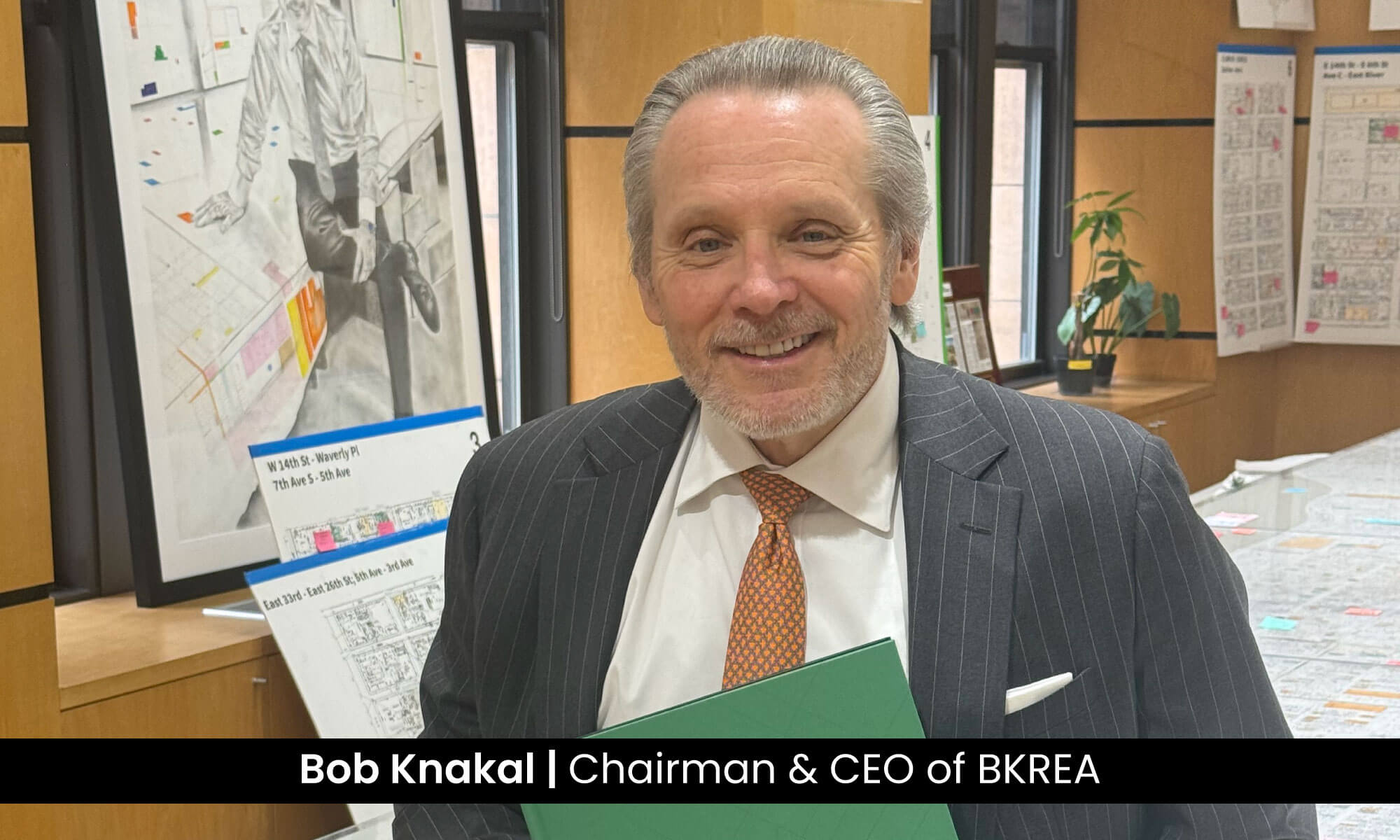
Bob Knakal: Leading with Clarity in a Reset Market

Some leaders don’t just follow markets, they understand cycles, people, and timing. They believe that doing the right thing for clients never goes out of style, and that excellence only comes from going all-in, every single time. Over decades, this philosophy has reshaped how relationships are built, how information is valued, and how firms grow from the inside out.

That mindset belongs to Bob Knakal, Chairman & CEO of BKREA, who is someone who transformed the old “mile wide, inch deep” approach into a focused, relationship-driven model rooted in trust, discipline, and long-term vision. Known for redefining how real estate advisory truly works, he emphasizes that the business is not about property alone, but about information, relationships, and understanding who the real buyers are in every cycle.

At the core of his leadership is a simple but powerful goal: to build an environment where professionals grow faster than anywhere else not because they are managed, but because they are supported, encouraged, and inspired to outperform even their own expectations.

From Accidental Beginnings to Enduring Leadership Across Every Market Cycle

One of the most enduring lessons Bob has carried on throughout his career is that doing the right thing for the client, never goes out of style, is always the correct course of action. His entry into real estate itself was unexpected. When he first encountered Coldwell Banker, he mistakenly assumed it was a bank. There was no master plan, no family legacy in the industry, and no predefined roadmap, only curiosity and a willingness to say yes before fully understanding where the path might lead. That accidental beginning shaped a core belief early on: success is not about having all the answers, but about asking better questions, listening intentionally, and committing fully once something worth building reveals itself.

From the very start, Bob embraced an “all-in” approach. He learned that if something is worth doing, it is worth doing well. That philosophy guided his journey from co-founding Massey Knakal in 1988 to launching BKREA in 2024. Focus has been a constant thread throughout. At Massey Knakal, the firm avoided being everything to everyone. Instead, it specialized relentlessly, built scalable systems, and fostered a culture where brokers were acknowledged, trained, inspired, and empowered to grow. At BKREA, the same principle remains but with even sharper intent and refinement.

Underlying this approach is Bob’s clear understanding that real estate is not merely about building; it is fundamentally an information and relationship business. Having the best information and protecting relationships is non-negotiable. Markets evolve, cycles shift, and participants change, but trusted relationships and disciplined insight endure.

One of the most defining chapters of Bob’s career came during the Global Financial Crisis. Fully negotiated deals suddenly became impossible to finance. Buyers vanished, capital structures collapsed, and uncertainty dominated the market. Yet, transactions still had to occur. That period crystallized a critical insight: liquidity is cyclical, but value, though volatile, is permanent. New York City has a unique resilience. Capital always returns, but it returns differently in each cycle.

This experience reinforced the importance of identifying who the real buyers are in every market phase, not who they were in the past. It also shaped Bob’s belief that the best brokers do not wait for markets to recover; they adapt faster than the market itself. That ability to adjust, refocus, and move decisively has defined his leadership across every cycle since.

Redefining How Brokers and Clients Win

For Bob, servant leadership is not a slogan; it is a daily discipline. Throughout his career, he has believed that brokers perform at their highest level when they feel genuinely seen, heard, and supported. At Massey Knakal, acknowledgment was never about empty praise; it was about recognizing effort, progress, and discipline. It was about building confidence, reinforcing self-belief and self-esteem, and creating an environment where individuals could consistently do better than their best.

That philosophy has evolved and sharpened at BKREA, adapted for a modern, entrepreneurial landscape. Today, Bob defines servant leadership as the act of removing friction. It means equipping brokers with superior data, advanced technology, effective marketing, and meaningful mentorship so their focus remains where it belongs: advising clients, not navigating broken systems. It also means encouraging specialization and intellectual honesty. When a broker doesn’t know an answer, the expectation is not perfect, but transparency and speed in finding the right solution.

The objective is clear and uncompromising: to build a firm where brokers grow faster than they could anywhere else, not because they are managed, but because they are supported, encouraged, and inspired to exceed their own expectations. Under Bob’s leadership, the traditional model of going a mile wide and an inch deep has been replaced with a more intentional approach, going an inch wide and a mile deep with clients, staying present at every step, and building relationships that endure beyond individual transactions.

Delivering Clarity Where Complexity Creates Opportunity

For Bob, the market gap was unmistakable. The development, redevelopment, and user-property sectors in New York City were consistently underserved by firms attempting to be all things to all people. At the same time, increasing government regulation around new development had created significant opacity in an environment where deep expertise could create real advantage. Bob saw an opportunity to go granular in a space where scale offered diminishing returns, and returning to his entrepreneurial roots became the natural next step.

While large brokerages excel at scale, Bob recognized that scale often comes at the expense of specialization and senior-level attention. BKREA was founded with a clear and deliberate focus: to concentrate exclusively on development, redevelopment, and user-building transactions in New York City. The firm is structured around professionals who are deeply embedded within specific verticals and submarkets, rather than spread thin across asset classes.

At the core of BKREA’s strategy are three highly correlated and synergistic verticals, all centered around vacant buildings. In New York City, every vacant building presents a fundamental question: do you demolish and build anew, renovate and convert the use, or sell to an end user who will occupy the property? BKREA spends most of its time answering that question with precision, insight, and execution.

The firm’s mission is simple but exacting: to deliver clarity in complexity. That means fewer listings, deeper analysis, and more thoughtful execution. BKREA does not chase volume, it pursues relevance and excellence. This distinction becomes especially critical in volatile or uncertain markets, where informed decision-making matters most. Where the industry once favored generalists, Bob has intentionally built a hyper-specialized platform. Supported by superior data and focused expertise, BKREA provides clients with advantages that were previously unattainable, enabling more informed decisions and consistently better outcomes.

Bob firmly believes that specialization transforms uncertainty into opportunity and that it remains the most effective way to differentiate in a competitive market. That differentiation, in turn, creates a durable competitive advantage.

Office-to-residential conversions exemplify this philosophy. These transactions are not theoretical exercises; they are highly technical, capital-intensive undertakings requiring zoning expertise, construction knowledge, capital markets insight, political awareness, and—particularly in New York City a granular understanding of the 467-M tax abatement program. A generalist, Bob contends, cannot effectively advise on assets of this complexity.

By focusing deeply on specific property types and geographies, BKREA can identify value where others see risk. The firm understands which buildings work, which do not, and most importantly, why. This depth allows BKREA to guide both buyers and sellers toward realistic pricing and executable strategies.

In today’s market, Bob is clear in his conviction: depth beats breadth.

Using Technology to See What Others Can’t

One clear example of Bob’s forward-looking approach is how BKREA analyzes buyer behavior and pricing sensitivity. While the firm continues to rely on timeless fundamental relationships, property tours, and direct conversations, advanced AI tools now allow BKREA to process thousands of historical transactions, zoning variables, financing structures, and buyer profiles simultaneously. This level of analysis reveals patterns that would be virtually impossible to identify manually.

When bringing a new asset to market, the firm can instantly review thousands of past records to understand precisely what percentage of the asking price each potential buyer has historically offered across prior transactions. This capability delivers a significant advantage to every new client. As a result, BKREA advises sellers not only on valuation, but on who is most likely to purchase the asset, at what price, and under which conditions.

Bob is clear that AI does not replace judgment, it sharpens it. By combining human insight with data-driven intelligence, BKREA remains well ahead of the curve in an industry undergoing rapid transformation.

At the same time, Bob is realistic about the structural challenges facing the market, particularly in conversion projects. The greatest hurdles remain cost, time, expertise, and regulatory uncertainty. Conversions are capital-intensive, financing structures are complex, and zoning approvals can be unpredictable.

In Bob’s view, the most effective solutions lie in targeted tax abatements, expedited approval processes, and zoning flexibility for buildings that meet clearly defined criteria. If New York City wants conversions to occur on a large scale, friction must be reduced and certainly increased. Capital, Bob emphasizes, moves quickly when rules are clear.

Lessons on Market Cycles, Decision-Making, and Staying Curious in Complex Times

According to Bob, today’s buyers are markedly more disciplined, more equity-focused, and significantly more patient than in prior cycles. Sellers, meanwhile, are increasingly bifurcated: those who must transact and those who can afford to wait. In evaluating any opportunity, Bob believes two factors matter most: how realistic a seller is relative to current market pricing, and how genuinely motivated that seller is. With no expectation of dramatic interest rate changes in the short to medium term, decisions must be grounded in present market realities rather than speculative assumptions.

The result is a market driven by necessity rather than exuberance. Transactions are occurring where motivation and realism intersect. While the pace may be slower, Bob views this as a healthy dynamic and one that, in many ways, has always defined durable markets.

He characterizes the current environment as transitional. Pricing is adjusting, capital is recalibrating, and opportunity is emerging quietly rather than loudly. Bob believes the last few years will ultimately be remembered as “the great pricing reset” in New York City. While most sectors are showing improvement, rent-stabilized housing continues to deteriorate, an outcome he attributes to political decisions rather than underlying market forces.

Bob’s advice is straightforward: do not wait for certainty, wait for alignment. When pricing, capital, and strategy align, action should be decisive. The best opportunities, he notes, are rarely obvious when they are created. In fact, Bob considers the current moment one of the strongest buying opportunities of the past four decades. In certain sectors, pricing per square foot has reverted to levels last seen thirty years ago, a rarity in New York City’s history.

Underlying Bob’s perspective is a deep commitment to intellectual humility and curiosity. He believes the New York market is far too complex for arrogance. The most effective brokers are confident but never complacent. They listen more than they speak, adapt faster than others, and remain lifelong students of the market. That mindset, constant improvement paired with curiosity about what else can be done better, is what sustains long-term success across cycles.

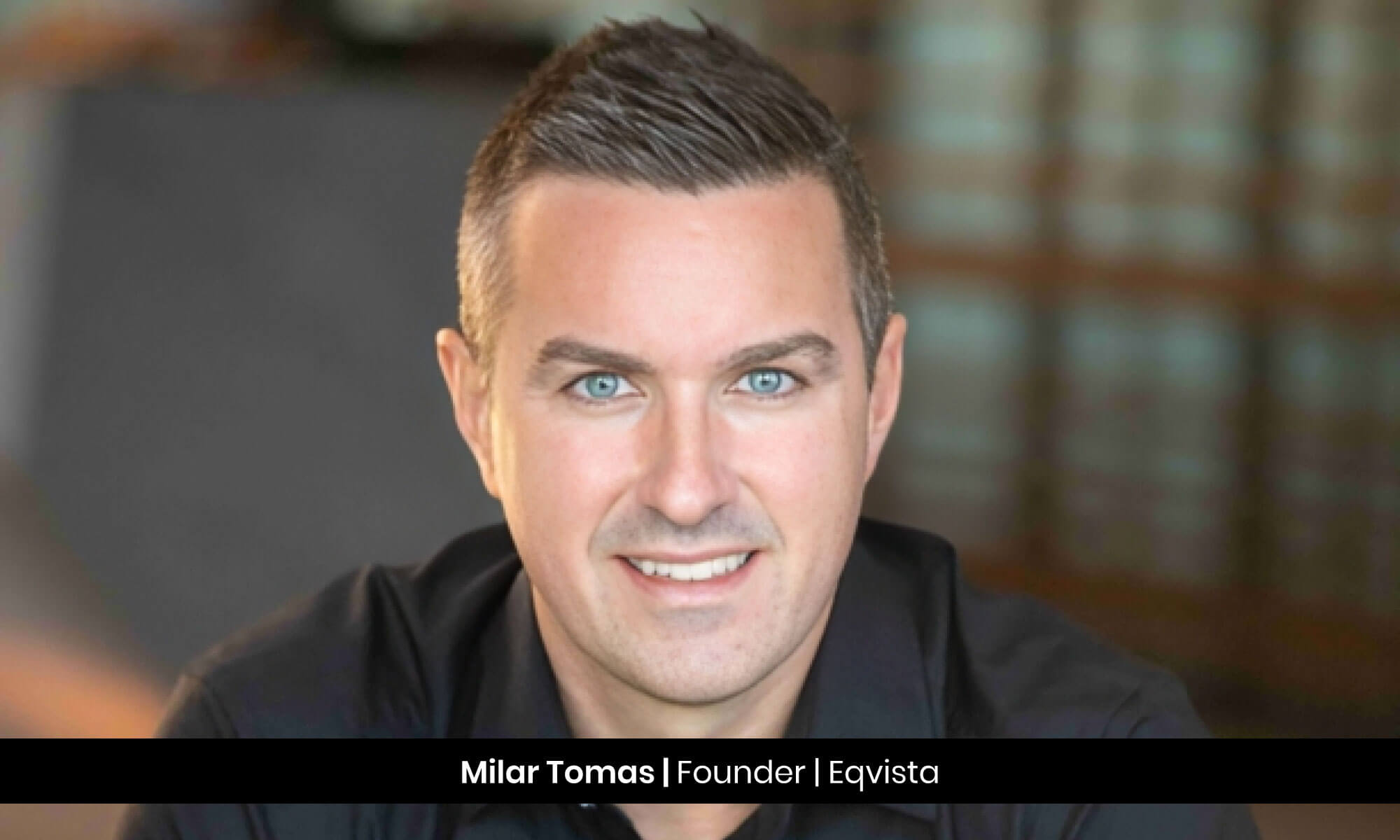
Tomas Milar: Lighting the Path for the Next Generation of Founders

Most people hold knowledge close, believing success comes from protecting what they know. But Tomas Milar built his journey on a different belief: if knowledge has the power to change outcomes, it should help others grow too.

Long before founding Eqvista, Tomas experienced the uncertainty and pressure that come with building something from scratch. In the early stages, survival depended on learning fast, adapting faster, and figuring out practical ways to generate momentum within weeks, not years. Those experiences became more than lessons in entrepreneurship; they became a deep understanding of startup operations, compliance, banking infrastructure, and the realities founders face every day.

What separated Tomas was never just technical expertise. It was his ability to experiment, absorb knowledge from every challenge, and then turn that knowledge into systems, processes, and opportunities that others could benefit from too. He believed that strong businesses are not built by one person alone, but by finding the right people, training them well, and creating a culture of consistency, accuracy, and trust.

That mindset became the foundation behind Eqvista’s global growth. Over the years, the company invested deeply in building valuation practices, practical financial infrastructure, and founder-focused solutions designed not around theory, but around real business needs.

For Tomas, entrepreneurship has always been connected to freedom – freedom of capital, freedom of thought, and freedom of financial movement. And at the center of every meaningful venture, he believes there must be founders willing to become the pillar strong enough to support something bigger than themselves.

From Static Records to a Dynamic Founder-First Ecosystem

Back in 2010, Tomas played a key role in building one of  corporate secretarial businesses in Southeast Asia. The company generated strong recurring revenue and profitability, creating the foundation to launch additional ventures focused on compliance, regulatory support, and business infrastructure. Through this journey, he developed a strong understanding of operational discipline, recurring business models, and the importance of regulatory expertise when supporting startups and growing companies.

Having known IncParadise since 2006, Tomas always recognized the long-term potential of the business. When the opportunity arose, he helped scale it further while continuing to expand into new ventures, including the development of a neobank in collaboration with Mbanq and Vlad Lounegov. These experiences gave him deep insight into startup operations, banking infrastructure, compliance systems, and the growing need for founders to have access to practical, execution-driven solutions rather than just theoretical guidance.

One of the biggest issues he identified was how outdated and static equity management systems had become. Most companies were still managing cap tables, stakeholder registers, and equity records through spreadsheets, PDFs, and disconnected documents that were difficult to maintain and prone to errors. Since his teams had already been working extensively with company cap tables since 2010, it became clear that the market needed a more modern, digital-first solution.

That realization ultimately led to the vision behind Eqvista transforming equity management from static paperwork into a dynamic, real-time system designed to evolve alongside growing businesses.

Building Real-Time Trust in a World Moving Faster Than Static Systems

Tomas believes that survival in business begins with one simple reality: revenue matters. When he moved to Hong Kong with only $3,000 in his account, the pressure to generate income quickly was not theoretical; it was immediate. That experience shaped his philosophy permanently, reinforcing the belief that companies must prioritize revenue and execution early because markets rarely give businesses unlimited time to figure things out.

At the same time, his approach was never focused only on short-term wins. While driving revenue growth, Tomas and his team quietly spent years building the deeper infrastructure behind the business valuation frameworks, proprietary financial models, AI integrations, and unique datasets that would later become the competitive foundation of Eqvista. That long-term investment eventually evolved into  Eqvista Real-Time Company Valuation®, a platform now processing more than $4 trillion in company valuations globally.

For Tomas, sustainable growth comes from balancing immediate execution with long-term infrastructure building. Revenue creates survival, but systems create longevity.

A large part of that system was built around people and operational consistency. Drawing from his experience as a co-founder of a CPA firm, he focused heavily on hiring strong talent, training teams effectively, and building repeatable processes that ensured accuracy and reliability at scale. He believes trust is earned through consistency. Clients need confidence that every valuation, every report, and every process will deliver the same level of precision and transparency every time.

One of the strongest beliefs driving Eqvista’s innovation is that traditional valuation methods are no longer sufficient in a fast-moving business environment. Tomas saw how static PDF valuation reports often became outdated almost immediately after issuance, despite still being treated as industry standards. In a world where startups can scale revenue, raise capital, or transform business performance within months, he believed valuations should evolve in real time alongside the companies themselves.

That thinking became the driving force behind Eqvista Real-Time Company Valuation® transforming valuation from a static document into a live, continuously evolving financial intelligence system built for modern businesses.

Where Human Expertise, AI Intelligence, and Financial Freedom Shape the Future of Modern Valuation

Over the past five years, Eqvista has invested heavily in building the valuation practice behind its platform, creating a foundation driven by strong valuation formulas, proprietary datasets, experienced certified professionals, and a continuous feedback system between research, financial modeling, and real-world valuation delivery. The company has now also crossed 25,000+ clients globally, reflecting its growing trust and impact in the valuation and equity management ecosystem.

Under the leadership of Tomas, the company moved beyond simply applying standard valuation formulas. Instead, the team focused on building, refining, benchmarking, and continuously improving valuation models using internal data, public market comparisons, and real-time market event analysis. Today, Eqvista Real-Time Company Valuation® models more than $4 trillion in client assets in real time, positioning it among the largest private company valuation engines in the market.

What defines Eqvista’s approach is the balance between technology and expertise. While AI provides scale, efficiency, speed, and real-time analytical capabilities, human professionals remain central to the process, ensuring quality, judgment, compliance, and audit readiness.

This philosophy is reflected in what the company calls the “Eqvista Trinity”:
• Human-delivered
• Human-built
• AI-powered

For Tomas, technology should strengthen human expertise rather than replace it.

He also believes that the long-term strength of any market depends on freedom, freedom of capital, freedom of thought, and freedom of money flow. As long as those conditions exist, businesses will continue adapting, innovating, and creating new opportunities.

At the core of his modern risk management philosophy is a focus on fundamentals: strong revenue generation, disciplined processes, operational resilience, and reliable products. With those foundations in place, he believes businesses can navigate uncertainty while continuing to grow sustainably.

A Product-First Vision Rooted in Execution, Adaptability, and Growth

Tomas believes that truly transformative companies are rarely built by people waiting for permission or perfect conditions. Early in his entrepreneurial journey, he learned that survival depends on execution, adaptability, and the willingness to keep moving forward even when the outcome is uncertain. Rather than becoming a founder consumed by fundraising headlines, Tomas chose to become relentlessly product-focused, spending his time refining solutions, improving systems, and building products that solve real-world business problems at scale.

For Tomas, great companies are not created through comfort or caution. They are built through continuous experimentation, honest evaluation, and the discipline to learn from every success and failure. At Eqvista, this philosophy has shaped a culture where teams are encouraged to test aggressively, adapt quickly, and use every lesson as momentum for future growth. He believes that experimentation is one of the purest forms of progress because every test, whether successful or not, leaves behind valuable knowledge that strengthens the organization.

As Eqvista expanded globally, Tomas remained deeply involved in product development, believing founders themselves must remain the core driving force behind innovation. His leadership philosophy centers on the idea that exceptional products cannot simply be outsourced to funding or delegated entirely to new hires. Founders must remain closely connected to what they are building, how it evolves, and how it creates value for customers.

Under his leadership, Eqvista has embraced a lean, product-first mindset powered by continuous improvement, operational discipline, and strategic risk-taking. Tomas encourages teams to think beyond survival mode, push boundaries responsibly, and move decisively when opportunities appear. For him, growth comes not from hiding behind safe decisions, but from having the courage to experiment, learn quickly, and confidently apply those lessons to build something greater.

Helping Founders Build for Audits, Growth & Long-Term Success

Tomas has always believed that the strongest business relationships are built long before a transaction or compliance deadline ever arrives. Even as Eqvista scaled into a global SaaS platform, Tomas ensured the company remained deeply connected to its clients, not as distant software users, but as founders building something meaningful for the future. His philosophy is simple: solving one compliance issue is never enough. The real responsibility is helping entrepreneurs create structures that can support audits, fundraising, transparency, and long-term growth without chaos later.

That close relationship-driven approach reflects a much larger mission that Tomas sees not merely as business, but as a calling. While much of the private market continues focusing on liquidity and secondary market, he believes the true challenge lies deeper within the pricing infrastructure itself. In his view, wealth creation begins with transparency. If founders, investors, and stakeholders cannot clearly understand what a private company is worth in real time, confidence disappears and growth slows. This belief ultimately drove Eqvista’s push toward real-time valuation systems designed to replace outdated, static PDF reports with living, continuously evolving financial visibility.

For Tomas, client satisfaction remains the clearest measurement of whether a company is genuinely creating value. Revenue, assets, and scale matter, but a satisfied client proves the product is solving real problems consistently and responsibly. That mindset influences everything inside Eqvista, from product development to operational discipline and long-term strategy.

His leadership style is grounded in continuous improvement rather than dramatic moments. After major platform launches or demanding compliance cycles, the team’s response is rarely celebration alone. Instead, the culture encourages reflection, learning, and finding ways to execute even better the next time. Tomas believes sustainable growth is built not through one breakthrough moment, but through what he calls “doing 1,000 little things every day.” It is this compound effect of small, disciplined actions repeated consistently that keeps both him and the company grounded while managing global operations, software innovation, and trillions in modeled private market valuations.

Ioana Savos: Shaping the Future of Construction Through Leadership and Trust

Good things rarely last forever — a lesson that Ioana Savos learned early in her journey. In 2000, she moved to Chicago with little more than $100 in her pocket, seeking freedom and the opportunity to build a new life. When she arrived at O’Hare Airport, the person who was supposed to meet her never showed up. Left to figure things out on her own, Ioana spent her entire savings on three nights in a hotel room, which she shared with two Romanian boys she had just met. That moment of uncertainty forced her to adapt quickly, teaching her that even when comfort fades, resilience and determination can light the path forward.

Today, Ioana brings that same strength and adaptability to her work. Her mission is to create homes that reflect her clients’ unique needs and preferences while building lasting relationships founded on trust and mutual respect. Her guiding mantra, “Do your job right, and give peace of mind and happiness to the clients when you deliver the end product,” reflects her deep commitment to integrity and excellence. Ioana knows that while challenges are inevitable, the care and precision she brings to every project create a sense of stability and belonging that lasts long after the job is done.

Career Journey

Ioana’s career journey began with a bold leap of faith when she moved to Chicago in 2000, seeking freedom and the opportunity to build a new life. Arriving at O’Hare Airport with little more than $100 in her pocket, she faced immediate challenges when the person who was supposed to meet her never showed up. Forced to adapt quickly, Ioana spent her entire savings on three nights in a hotel room, which she shared with two Romanian boys she had just met. That experience taught her resilience, adaptability, and the importance of embracing uncertainty — qualities that would define her future success.

From those humble beginnings, Ioana began building her life through hard work and determination. Her first job was at Six Flags Great America, followed by a position as a cashier at 7-Eleven. She then transitioned into private service, working as a housekeeper at the House of Blues Hotel, a babysitter, a nanny, a personal assistant, and eventually an estate manager overseeing large properties. These roles taught her invaluable lessons in leadership, organization, and understanding client needs.

In 2007, Ioana and her husband Sebastian co-founded New Explode Construction, combining her project management expertise with his engineering background. Together, they built more than just houses — they created homes where families can thrive. Ioana’s journey from a challenging start to leading a successful business reflects her unwavering resilience, hard work, and commitment to growth and excellence.

Guiding Principles and Personal Qualities

Resilience, empathy, and vision have been the cornerstones of Ioana’s success. Her journey began with resilience — moving to a new country with minimal resources and navigating economic uncertainties taught her to face challenges head-on and always find a way to move forward. Empathy has shaped her leadership style, allowing her to understand the needs and concerns of clients, employees, and collaborators, fostering trust and building meaningful relationships. Vision has been equally critical — Ioana has consistently focused on the bigger picture, setting strategic goals for both immediate success and long-term growth. These qualities have not only helped her navigate obstacles but have also created an environment at New Explode Construction where the team feels valued and motivated to excel.

Ioana’s professional and personal life is guided by three core principles: integrity, continuous growth, and making a meaningful impact. Integrity is at the heart of her work — she builds trust with clients by staying true to her word, actively listening, and ensuring their vision is reflected in the final product. Continuous growth drives her forward; Ioana embraces new challenges, acquires new skills, and supports the development of others. Most importantly, she strives to make a meaningful impact through New Explode Construction by creating homes that provide not only physical comfort but also joy and a sense of belonging. These principles ensure that Ioana’s work remains authentic, purposeful, and impactful.

New Explode Construction 

Under the leadership of Ioana, New Explode Construction has grown into a full-service construction firm known for delivering a seamless and comprehensive client experience. The company offers a wide range of services, including custom home building, renovations, additions, and design-build projects. What sets New Explode Construction apart is its ability to provide a true one-stop solution. Ioana has assembled a dedicated team of architects, designers, structural engineers, and builders to ensure a cohesive and efficient process from concept to completion. Whether transforming an outdated space or building a dream home from the ground up, New Explode Construction manages every detail with precision, delivering exceptional quality and value. Ioana’s mission is clear: to create homes that reflect her clients’ unique needs and preferences while building lasting relationships based on trust and mutual respect.

Ioana’s career has not been without its challenges. Navigating uncertainty has been one of the toughest obstacles, especially during major economic disruptions like the 2008 financial crisis and the COVID-19 pandemic. These moments tested her ability to adapt and make tough decisions while safeguarding the company’s long-term success. Scaling New Explode Construction from a small operation to a full-service firm required careful planning to maintain the personalized service and high standards the company is known for. Additionally, as a woman in a traditionally male-dominated industry, Ioana has faced and overcome stereotypes, proving her expertise and earning respect through resilience and consistent excellence. These challenges have shaped her into a stronger, more focused leader whose unwavering commitment to quality and client satisfaction continues to drive New Explode Construction’s success.

Recognitions and Philosophy 

Under the leadership of Ioana, New Explode Construction has earned several notable recognitions and accreditations, reflecting the company’s unwavering commitment to excellence and client satisfaction. These accolades include an A+ rating from the Better Business Bureau, multiple Houzz Awards for client satisfaction and design, and Ioana’s personal inclusion in Marquis Who’s Who — a testament to her influence and success in the industry. As a dedicated member of Vistage, a prestigious business coaching organization, Ioana has had the opportunity to grow both personally and professionally, strengthening her leadership and business acumen.

Central to Ioana’s success is her guiding mantra: “Do your job right, and give peace of mind and happiness to the clients when you deliver the end product.” This principle shapes both her personal and professional life. At New Explode Construction, it means ensuring that every detail is handled with care and precision, giving clients the confidence that they are not just receiving a house — but a home that reflects their vision and brings them comfort and joy. This approach has fostered trust and left a lasting positive impact on clients and industry partners alike, reinforcing New Explode Construction’s reputation for quality and integrity.

Inspiration and Future Vision 

For Ioana, inspiration begins with her father. His remarkable journey — from overcoming hardships to becoming the CEO of a bank during Romania’s communist era — has been a constant source of motivation. When Ioana decided to move to the United States with just $100 in her pocket, her father supported her wholeheartedly, encouraging her to pursue her dreams while staying true to her values. Beyond her father’s influence, Ioana draws inspiration from strong women who break barriers and persevere through challenges. She also admires Mel Robbins for her authenticity and success, which reinforce the importance of staying true to oneself in the face of adversity.

Looking to the future, Ioana envisions expanding New Explode Construction’s portfolio with larger-scale projects while diversifying into real estate investments. Her goal is to own 10 properties in the next decade, focusing on creating long-term value for the communities her company serves. Personally, Ioana is passionate about mentoring and inspiring the next generation of women leaders in construction, empowering them to break barriers and thrive in a traditionally male-dominated field. At the same time, she remains committed to balancing professional growth with personal fulfillment — prioritizing family, health, and continued self-improvement. Ioana’s vision reflects not only professional ambition but also a deep commitment to making a meaningful and lasting impact.

Advice and Leadership Philosophy 

For Ioana, leadership is rooted in staying true to one’s values and leading with integrity. Her advice to aspiring leaders is simple yet profound: Be resilient, invest in meaningful relationships, and stay curious. Ioana’s own journey — from arriving in the United States with just $100 to building a thriving business — is proof that with vision, hard work, and perseverance, dreams can become reality.

Ioana believes that true leadership extends beyond achieving goals; it’s about creating a positive impact on those around you and building a legacy of trust and inspiration. By remaining adaptable, staying grounded in her values, and fostering genuine connections, Ioana continues to lead by example, encouraging the next generation of leaders to pursue success with purpose and authenticity.

Janet Levine: Born into Conflict, Defined by Conviction

Janet Levine’s journey proves that human beings are often shaped, challenged, and ultimately defined by the circumstances they dare to confront. From the turbulent streets of apartheid-era South Africa to the intellectual stages of Boston, her life became a powerful narrative of courage, resistance, and reinvention. As the youngest person ever elected to the Johannesburg City Council and its first woman member she stepped into a world where speaking the truth carried real danger. Invited by activist editor Percy Qoboza to write for The Sowetan, the only Black newspaper serving hundreds of thousands in the townships, Levine used her voice as a weapon against injustice, despite facing death threats from the apartheid regime and its supporters.

Her acclaimed political memoir, Inside Apartheid, published by Contemporary Books and later featured on the McGraw Hill list, captures these fearless years and the risks she embraced to enlighten others. Whether standing before global audiences or teaching in intimate classrooms, Levine has always believed in the transformative power of sharing knowledge. For decades, she thrived on both the grand stage and the small one proving that while circumstances shape us, it is courage, conviction, and purpose that define who we become.

A Life Dedicated to Education, Activism, and Enlightening Others

For Janet, there was never a single defining moment that shaped her journey. Her life evolved organically through activism, education, writing, and public speaking. As a teenager in South Africa, she was already deeply involved in anti-apartheid activities, delivering speeches, participating in her high school debate team, and publishing articles in national newspapers. During her university years, she helped establish the “African Night School,” an initiative that provided residents of Soweto and other under-resourced townships with opportunities to study English and other subjects after work. Witnessing the determination and sacrifices of those students profoundly inspired her and strengthened her belief in the transformative power of education. From that point onward, educating others became one of the three defining pillars of her life, alongside writing and speaking out for justice.

Levine has always dedicated herself to sharing expertise to enlighten others a philosophy reflected in the motto of her website, janetlevine.com. After her active years in the anti-apartheid movement, writing and conducting workshops became a meaningful continuation of her activism. Her interest in the Enneagram personality model soon developed into a lifelong professional pursuit. She immersed herself in studying the system, founded an Enneagram Teachers’ Association, and launched the Enneagram Monthly Newsletter, which quickly expanded to 500 members. Her work took her across the United States and several other countries, where she conducted workshops and lectures. She also founded Transforming Teaching Workshops, further extending her commitment to personal and educational development.

Shortly after relocating to Boston, Levine wrote Inside Apartheid, her political memoir published by Contemporary Books and later included on the McGraw Hill list. The book became a bestseller, attracting widespread reviews as well as radio and television interviews. She also traveled extensively to speak on apartheid at university campuses across the United States. One of her essays was published in The New York Times Sunday Magazine, further establishing her voice as a respected commentator and author. In addition, she co-founded the Independent Schools South Africa Education Program (ISSAEP), an initiative that, over eight years, helped more than 100 young Black South Africans return home with university degrees from leading American colleges and universities.

Unwavering Fight for Truth and Justice

For Janet, justice has never been an absolute concept defined solely by those in power. She believes that when personal convictions of justice clash with the ideology of the ruling elite, individuals must find ways to challenge and disrupt the system through demonstrations, public discourse, and courageous action. Rather than remaining an observer or “armchair critic,” Levine has consistently chosen to act on what she believes to be true, even when that path carried personal risk and danger.

One of the most defining examples of this commitment came shortly after she was elected to the Johannesburg City Council as its youngest-ever member and first woman representative. Percy Qoboza, the activist editor of The Sowetan the only Black newspaper serving hundreds of thousands of township residents during apartheid invited her to write a weekly column. Levine titled it From the Laager Reaching Out, fully aware that speaking openly against apartheid would place her in direct danger. Her writings led to death threats from the apartheid government and its supporters, yet she continued to speak out fearlessly.

In her bestselling political memoir, Inside Apartheid, Levine recounts these experiences and many other dangerous exploits that reflected her unwavering belief that truth and justice require action, courage, and a willingness to confront oppression head-on. Learn more at janetlevine.com

Courage, Truth, and Transformative Leadership

For Janet, the only forces powerful enough to slow her activism were exhaustion and genuine threats to her life. Yet even in the face of danger, her responsibilities as a mother remained paramount. During the height of her activism, the safety and well-being of her young children became a deeply personal consideration, leading her to question the true cost of public resistance. This moral dilemma is explored in her recent novel, Liv’s Secrets, where she examines whether a parent should become an activist and what sacrifices such a choice may demand. For Levine, the answer has never been universal, but rather an intensely individual decision shaped by personal values and circumstances.

Teaching, however, became another meaningful stage for her lifelong mission of enlightenment and truth-telling. Levine often describes the classroom as “a little stage” one she cherished just as much as the larger public platforms on which she spoke for decades. She found immense fulfillment in guiding young, curious, and questioning minds, sharing ideas that some viewed as wisdom and others as indoctrination. Yet she remained committed to teaching what she believed to be true. Her book Reading Matters draws heavily from the philosophy courses she taught, reflecting her belief that education should challenge assumptions, encourage inquiry, and inspire independent thought.

Looking toward the future, Levine believes that leadership and progress depend on adaptability, collaboration, and innovation. In an era increasingly shaped by artificial intelligence and rapid global transformation, she emphasizes the importance of building consensus while embracing change rather than resisting it. She advocates for creating teams composed of people with diverse personalities, perspectives, and backgrounds, while encouraging younger generations to think globally and move beyond outdated norms. According to Levine, organizations and societies that value innovators, forward thinkers, and inclusive collaboration will be best equipped to act decisively and thrive in a rapidly evolving world. Learn more at janetlevine.com

Challenge the World

For Janet, perseverance remains the defining quality of leadership, activism, and personal growth. Her philosophy is rooted in resilience, self-belief, and the ability to “read the tea leaves of change” to recognize shifting social, political, and cultural realities before others do. Throughout her life, she has believed that courage begins with trusting one’s own convictions and continuing forward despite opposition, uncertainty, or fear.

As she works on her current project, The Awakening of Diya Sharma, Levine continues to explore the relationship between truth, disruption, and transformation. In both her creative process and activism, she does not define disruption simply as overthrowing systems from the outside. Instead, she believes true disruption begins internally with the courage to speak one’s truth and act according to one’s values. While no individual can change an entire system alone, every person can choose integrity, honesty, and action. For Levine, meaningful change starts when individuals refuse silence and remain committed to their principles.

Her intellectual and moral influences reflect this lifelong commitment to truth and justice. Levine draws inspiration from the complete works of William Shakespeare, whose writing explored the complexities of power, morality, and human nature. She is also deeply influenced by Steve Biko, the young Black Consciousness leader who was brutally tortured and killed by the apartheid regime, becoming a symbol of resistance and courage. Another enduring inspiration is Helen Suzman, the fearless South African parliamentarian who, for years, stood almost alone in defending human rights and the rule of law during apartheid.

Through every stage of her life as an activist, educator, writer, and speaker Levine’s message has remained constant: persevere, speak your truth, and never underestimate the power of conviction to inspire change. Learn more at janetlevine.com

Jill Hudgel: Advancing Inclusive Education for Student Success

Jill Hudgel, Director of Special Education at New Leaf Organization, believes the future of education will be shaped not by systems alone, but by relationships. Known for her deeply relational leadership style, she has spent her career building trust with students, families, and educators while advancing inclusive, flexible approaches that meet learners where they are. Through collaboration, compassion, and a forward-thinking mindset, Hudgel is helping redefine what support and success look like in special education .Her work reflects a growing shift in leadership, one that prioritizes connection, adaptability, and community partnership as essential drivers of innovation.

Jill has witnessed firsthand that students’ responsibilities and challenges outside of school are more complex than ever. Academic success alone is no longer enough. Sustainable futures require connection to employers, to community agencies, to mental health providers, and to real-world experiences that build confidence and independence. That belief has shaped New Leaf’s programs that go beyond textbooks: automotive training, boutique services, greenhouses, and grow towers that allow students to explore entrepreneurship while gaining tangible, transferable skills.

Her leadership is rooted in compassion but driven by strategy. When schools can clearly see what is happening with each student academically, emotionally, and socially they are far less likely to lose them along the way. For Jill, success means creating environments where students feel supported not just until graduation, but long after it.

Through collaboration, compassion, a deep commitment to student advocacy, and a forward-thinking mindset, Jill is helping redefine what support and success look like in education ensuring that in a world that often moves too fast, no student is left unseen.

Leading with Visibility, Building Systems with Heart

One of the most important lessons Jill has carried throughout her career is the power of making students feel genuinely seen and valued. She believes every student enters the classroom with a unique story, set of beliefs, and lived experiences. By taking the time to understand their lives beyond school, she communicates a powerful message: they matter.

Early in her career, she taught in a school founded on religious principles, where those values were deeply woven into the educational model. Students’ cultural and personal identities were closely connected to their learning experiences. That environment showed her that when students feel respected for who they are, it creates space for authentic connection and stronger classroom outcomes. This belief continues to guide her leadership approach and shapes how she supports both students and educators at New Leaf.

A pivotal experience in her professional journey was leading a full state audit of a special education program early in her leadership career. At the time, she was working in a dropout prevention and credit recovery setting under the same executive leadership that now directs New Leaf’s mission and model. The audit required a thorough review of compliance practices, progress monitoring, service delivery, documentation, and record-keeping accuracy, an intense process that accelerated her growth as a leader.

Through this experience, she developed the skills to conduct internal audits, strengthen communication with staff and families, and implement systems that ensured students received the services they needed and deserved. What initially felt like an overwhelming challenge became a pivotal turning point. It reinforced her conviction that strong systems and meaningful relationships must operate together to create responsive, student-centered programs and to shape the future of inclusive education.

Redefining Equity Through Flexibility, Innovation, and Student-Centered Growth

Jill believes growth is born from challenge. True evolution, in her view, happens when individuals and institutions are willing to step beyond what feels comfortable. At New Leaf, that philosophy translates into questioning long-held assumptions about education and re-examining what students genuinely need in order to succeed.

The New Leaf approach centers on meeting students where they are and building individualized pathways that nurture both academic achievement and personal development. That same mindset guides how she      works closely with educators, families, and special education coordinators to ensure that students receive the academic support and foundational resources they need to succeed. She encourages her staff to     experiment with new strategies, collaborate openly, and engage in continuous reflection creating a culture where improvement is shared and ongoing.

She recognizes that traditional education systems often rely on a one-size-fits-all structure. Yet many students navigate responsibilities beyond the classroom, such as employment, parenthood, housing instability, and other life challenges that make rigid systems difficult to navigate.

At New Leaf, flexibility is viewed as equity. The organization offers extended hours, workplace learning opportunities, and personalized pathways that allow students to progress at a pace aligned with their circumstances. Partnerships with local employers ensure programs reflect real workforce needs and relevant skill development. By acknowledging students’ realities while maintaining meaningful, individualized standards, she is helping reshape education into a model that is both compassionate and accountable.

Beyond the Diploma: Building Purpose, Pathways, and Possibility

Jill believes that preparing students for life beyond graduation is essential to building sustainable futures. In her view, a diploma is not the final destination, it is the starting point. Integrating hands-on learning and meaningful career exploration into the educational experience ensures students understand the relevance of what they are learning and how it connects to their future goals.

Programs such as automotive and boutique services, along with greenhouses and grow towers, are intentionally designed to help students explore entrepreneurship while developing confidence and practical, real-world skills. These initiatives provide more than technical training; they cultivate purpose. That sense of purpose strengthens both student well-being and long-term success.

Technology also plays a strategic role in supporting student outcomes. Advanced computer systems allow her team to monitor progress in real time and identify potential concerns early. This visibility strengthens collaboration among staff and enables swift, targeted interventions when additional support is needed. When educators have a clear understanding of each student’s journey, they are far less likely to let anyone fall behind.

At the same time, she emphasizes that technology is a tool, not the foundation. Its greatest value lies in enhancing human connection. Data provides insight, but relationships remain at the heart of her work.

Leading with Purpose, Growing with Depth

Over the next 12 to 24 months, Jill envisions New Leaf growing not only in reach, but in depth. For her, growth is not measured solely by additional programs or new locations; it is defined by the strength and quality of support provided to students and families. From a special education perspective, that means continuing to refine systems that are flexible, individualized, and responsive to the whole child. She is focused on deepening partnerships with employers, community agencies, and mental health providers to ensure students have access to both academic pathways and life pathways that foster long-term stability and opportunity.

She anticipates continued expansion of innovative approaches that blend flexibility, personalized learning, and career readiness. Special education has always demanded creativity and adaptability to meet students exactly where they are and she believes that mindset is increasingly shaping the broader evolution of education. As student needs continue to change, schools must respond by creating environments where students feel seen, supported, and fully prepared for life beyond graduation.

Her advice to leaders entering the social impact space is clear: remain grounded in purpose, but stay adaptable. The landscape will continue to shift, yet the most effective leaders are those who listen first, build authentic relationships, and remain willing to rethink traditional models. When leaders focus on people rather than programs, uncertainty becomes an opportunity for meaningful innovation.

She also identifies humility as one of the most overlooked leadership traits. In mission-driven work, and      especially in special education, leaders are constantly learning from students, families, and communities. Humility allows them to listen, adjust, and grow rather than assume they have all the answers. It fosters collaboration and builds trust in environments that are often complex and evolving.

At the same time, she believes humility must be balanced with confidence. Leaders need the courage to make difficult decisions and advocate for change, while also recognizing when fresh perspectives are necessary. In special education, where every student’s situation is unique, this balance is essential. When leaders model both humility and confidence, they create cultures where teams feel supported, innovation is encouraged, and the mission serving students remains at the heart of every decision.

Unwavering Commitment to Every Student’s Future

Jill often returns to a few guiding beliefs that shape her leadership and her approach to education. She believes that students engage in learning when they feel truly seen, valued, and supported. For her, flexibility is not about lowering expectations, it is about creating the conditions where every student has a real opportunity to succeed. She also emphasizes the importance of strong partnerships knowing that when schools, families, and communities work together, they open doors that extend far beyond graduation. Drawing from her experience in special education, Jill is committed to meeting students where they are and thinking creatively about how to support their growth. She believes this mindset is not only essential in special education, but is increasingly shaping the future of education for all learners.                          These aren’t just statements they are principles she lives by.

Her days begin early, grounded in intention. A morning workout and quiet reflection give her clarity and focus before the demands of the day begin. That routine allows her to show up fully for her family, for her students, and for her team.

She sees herself as trailblazing not for recognition, but for impact, willing to rethink structures, challenge assumptions, and build systems that better serve students. Influenced by frameworks such as Bridges Out of Poverty and the ACEs (Adverse Childhood Experiences) model, she developed a deeper understanding of trauma and its effects on learning. That perspective has profoundly shaped how she leads, supports staff, and designs student-centered systems.

At the heart of every decision, she asks one consistent question: What will have the greatest impact on students? By keeping students at the center, complexity becomes clearer, priorities sharpen, and leadership becomes purposeful.