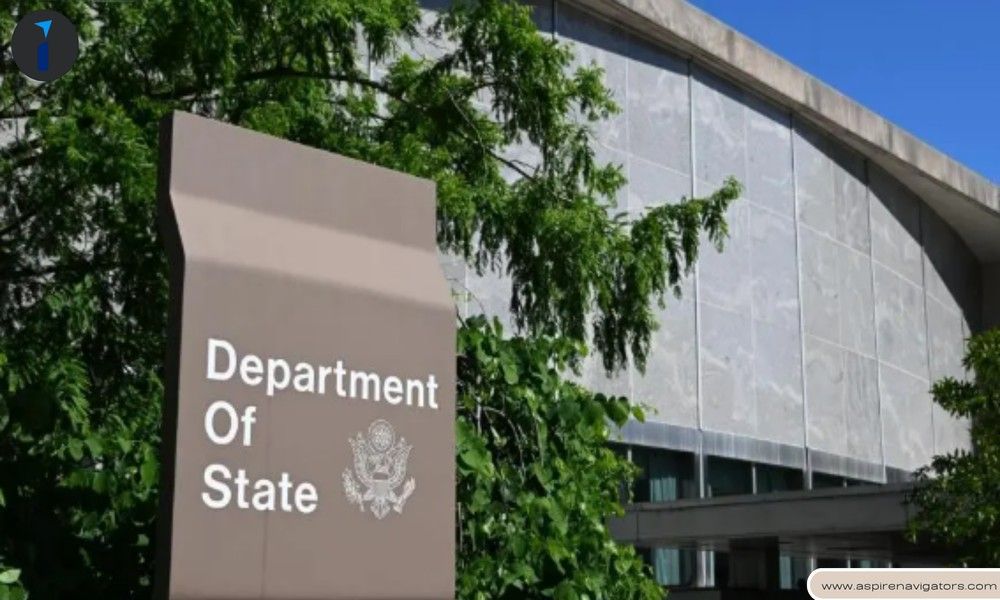
The United States has announced another round of US sanctions targeting key entities and individuals linked to the Cuban government’s revenue-generation network. The latest measures are part of Washington’s broader effort to restrict financial resources that officials say support the Cuban regime and its state-controlled business operations. The sanctions were announced by the U.S. Department of State under Executive Order 14404, which expands the government’s authority to target organizations and individuals connected to Cuba’s economic and security networks.
The move reflects the latest step in the U.S. strategy to increase economic pressure while holding organizations accused of supporting the Cuban government’s activities accountable.
New US Sanctions Target Revenue-Generating Entities
According to the State Department, the latest US sanction package includes five Cuban entities and one individual believed to play an important role in generating revenue for the Cuban government.
Several of the sanctioned organizations are associated with Grupo de Administración Empresarial S.A. (GAESA), a military-run business group that operates across multiple sectors of the Cuban economy. U.S. officials say these entities help finance government operations and strengthen the regime’s economic influence.
Key Highlights of the Sanctions
The latest action includes measures against:
- Five Cuban entities connected to the government’s revenue network.
- One individual linked to sanctioned organizations.
- Businesses associated with the military-run GAESA group.
- Companies involved in finance, logistics, mining, and industrial operations.
- Organizations identified under Executive Order 14404.
The U.S. government said these sanctions are designed to reduce the Cuban regime’s ability to generate financial resources through state-controlled enterprises.
Why the United States Imposed the Measures
The U.S. government said the latest Cuban US sanctions are intended to increase pressure on organizations that allegedly provide financial support to the Cuban government.
Officials stated that the sanctions focus on revenue-generating businesses rather than the Cuban people. According to the State Department, limiting access to financial resources is part of a broader policy aimed at addressing concerns related to governance, security, and regional stability.
US Sanctions on Companies Expand
The latest announcement further broadens US sanctions on companies connected to Cuba’s state-controlled economy.
Among the sectors affected are:
- Financial services.
- Foreign trade and logistics.
- Mining operations.
- Industrial manufacturing.
- State-owned commercial enterprises.
The new restrictions may make it more difficult for sanctioned organizations to conduct international business or access foreign financial services.
Impact on Businesses and International Trade
The expanded sanctions are expected to increase compliance requirements for companies that have business relationships involving Cuba.
Businesses operating internationally may need to:
- Review commercial partnerships.
- Strengthen sanctions screening procedures.
- Evaluate supply chain risks.
- Monitor future regulatory updates.
- Ensure compliance with U.S. sanctions regulations.
Financial institutions and multinational companies often reassess transactions involving sanctioned entities to avoid potential regulatory risks.
International Response
The latest sanctions have attracted attention from governments, businesses, and policy experts monitoring developments in U.S.-Cuba relations.
Supporters of the measures argue they increase pressure on organizations that financially support the Cuban government. Critics, however, believe additional sanctions could further affect Cuba’s already struggling economy and make international trade more challenging.
What This Means Going Forward
The latest sanctions demonstrate that the United States intends to continue expanding economic measures targeting Cuba’s government-controlled business network. Analysts believe additional actions could follow if U.S. officials determine that more organizations are supporting sanctioned activities.
For international businesses, the announcement highlights the importance of monitoring regulatory changes and maintaining strong compliance programs. As Washington continues refining its Cuba policy, companies involved in cross-border trade and finance are expected to closely follow future developments and assess how new sanctions could affect global business operations.
Read full Press Release: Further Sanctions on the Cuban Regime’s Revenue Generation Network