Legal Shield: US Court’s Stance on Deportation Flights

A new ruling by a US appeals court has given former Trump administration officials legal protection, shielding them from prosecution for their role in deportation flights from the United States. The decision has sparked discussion about the boundaries of judicial oversight and legal accountability in immigration enforcement. Immigrant advocates contend that this ruling makes it more difficult to hold officials responsible for acts that impacted thousands of people.
The decision is a turning point in legal deportation discussions, particularly as deportation-related Supreme Court decisions continue to develop. Attorneys and campaigners are keeping a careful eye on how it may affect current cases as well as more general immigration laws.
Using the ACLU to Fight Deportation Cases
The American Civil Liberties Union (ACLU) and other immigrant rights organizations have been actively challenging deportation cases with ACLU backing in order to contest laws and practices that they claim violate constitutional protections.
Lawsuits against Homeland Security and other federal agencies may be impacted by the appeals court’s decision, which now limits investigators’ capacity to question specific officials. Opponents claim that this could restrict accountability and impede the resolution of instances involving claims of unlawful deportation practices.
For instance, prior instances have concentrated on whether or not people were deported without due process or adequate notice, which is a fundamental component of legal deportation requirements.
Supreme Court Decisions and Cases Concerning Deportation
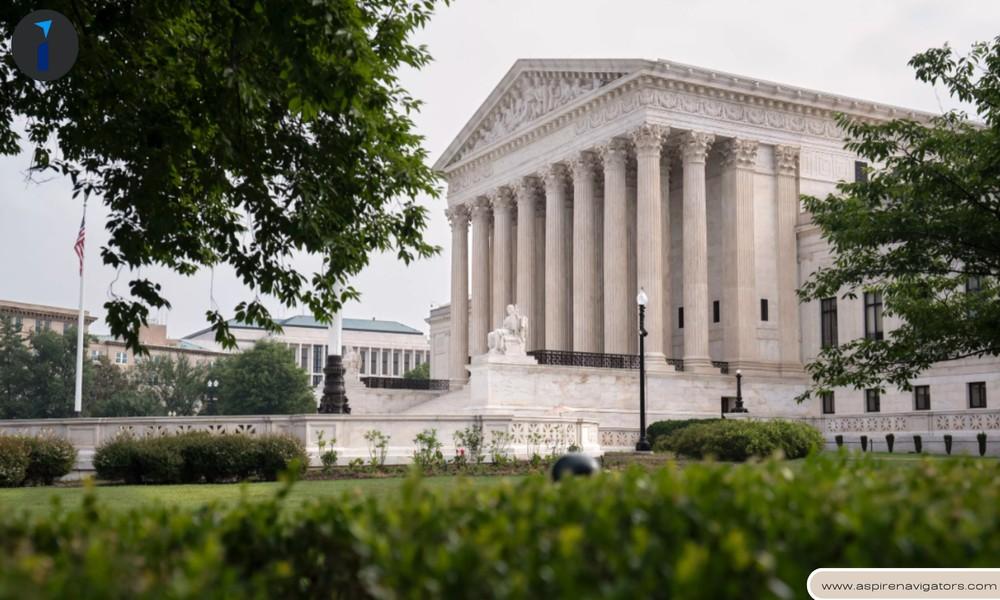
This development coincides with a series of high-profile Supreme Court deportation cases. Prior rulings on immigration rejections for foreign spouses and other disadvantaged groups have been clarified by the US Supreme Court.
Legal experts note that lower courts continue to interpret the extent of executive immunity in deportation flights from the United States, notwithstanding the Supreme Court’s ultimate authority. According to analysts, the appeals court’s ruling may influence how SCOTUS deportation cases develop in the years to come.
Why the Decision Is Important
The court’s position highlights that, when performing their official duties, federal officials may be shielded from some inquiries. Proponents contend that this is essential to guarantee public employees can carry out their duties without worrying about facing personal legal repercussions.
Immigration advocacy organizations caution that this could limit remedies for those impacted by contentious deportation operations and erode accountability in lawful deportation procedures. The case emphasizes the persistent conflict in the US between the judicial monitoring system and executive authority.
Effect on Homeland Security Lawsuits
The ongoing litigation against Homeland Security is one of the immediate effects of this decision. In a number of lawsuits, plaintiffs have claimed improper expulsion of immigrants from the nation, due process breaches, and poor management. Certain officials may be protected from civil or criminal investigations pertaining to previous deportation flights by this legal shield.
This development may have an impact on whistleblowers’ willingness to come forward and how lawyers plan future cases. There may now be more legal obstacles in cases involving SCOTUS deportation case precedents, especially when executive officials assert immunity.
Implications for Law and Policy
- strengthens the idea that federal officials have executive immunity.
- draws attention to current legal discussions on constitutional rights and immigration enforcement.
- may have an impact on ongoing legal proceedings for deportation flights from the United States
- establishes a benchmark for upcoming deportation cases before the Supreme Court.
Experts believe that this decision will rekindle debate in legal circles, especially over how to strike a balance between individual rights, immigration enforcement, and national security.
The Future of US Immigration Enforcement Will Be Shaped by Legal Precedent
The decision by the appeals court represents a turning point in the development of US immigration law. The ruling has sparked discussions about openness, supervision, and the boundaries of executive power by giving former Trump officials legal protection.
Advocates for immigrant rights contend that the decision creates significant barriers to accountability initiatives, especially in situations involving deportation flights, Supreme Court challenges, and litigation against federal agencies. Legal experts predict that the ruling will have an impact on how courts in the future interpret executive immunity in immigration enforcement.
The decision will probably have far-reaching effects as deportation cases in the Supreme Court of the United States develop, influencing the balance between individual rights and federal power in America’s immigration system.
Read our latest interview with Nicole R. Lewis