Feature Now Aspire Higher, Dream Bigger — Experience Exclusive Offers Like Never Before in the New Edition of Aspire Navigators!

Sudan Crisis Children Gain US$22M Education Lifeline

Education Cannot Wait (ECW) has announced a three-year, US$22 million investment to provide education opportunities for nearly 200,000 crisis-affected children in Sudan. The initiative aims to support children whose learning has been disrupted by ongoing humanitarian challenges and ensure they have access to safe and quality education.

The funding will focus on expanding education services, improving learning environments, and helping vulnerable children continue their studies despite difficult circumstances. The investment highlights the importance of education as a foundation for stability, recovery, and future opportunities.

New Education Initiative Supports Children Affected by Crisis

Thousands of children in Sudan have faced major disruptions to their education due to displacement, instability, and limited access to essential services. The new ECW-supported program seeks to address these challenges by providing critical educational support over the next three years.

The initiative will help create pathways for children to return to learning while supporting communities affected by the crisis. By investing in education, the programme aims to protect children’s right to learn and strengthen their ability to build a better future.

US$22 Million Investment to Expand Learning Opportunities

The US$22 million education investment in Sudan will support efforts to reach nearly 200,000 children who need continued access to learning opportunities. The programme will focus on delivering education support in areas where children are most affected by the crisis.

Along with increasing access to education, the initiative will help improve learning conditions and provide children with the resources needed to continue their academic development. These efforts are expected to support both immediate educational needs and long-term community recovery.

Education as a Key Tool for Recovery

Education plays an important role in helping children and communities recover during times of crisis. For many children in Sudan, access to education provides not only academic knowledge but also stability, confidence, and hope for the future.

Through this investment, Education Cannot Wait aims to strengthen education systems and ensure that crisis-affected children are not left behind. The programme reflects a broader commitment to protecting learning opportunities for children living in challenging environments.

Supporting Sudan’s Young Generation Through Learning

The education initiative represents a significant step toward supporting Sudan’s children during a period of uncertainty. By reaching vulnerable learners, the programme can help reduce barriers to education and provide children with opportunities to develop essential skills.

The investment also reinforces the role of partnerships between humanitarian organisations, communities, and education stakeholders in responding to global education challenges.

Building a Brighter Future Through Education

The three-year US$22 million Education Cannot Wait investment for Sudan demonstrates the power of education in times of crisis. By supporting nearly 200,000 children, the initiative aims to restore learning opportunities and create a stronger foundation for the country’s future.

As humanitarian needs continue to evolve, continued investment in education remains essential to helping children overcome challenges and achieve their potential.

Read our latest interview with Tomas Milar

StanChart Turns to Hedge Funds for Wealth Protection Strategy

Standard Chartered is expanding its wealth management approach by using hedge fund strategies to help protect clients from increasing market volatility. As global financial markets face uncertainty from economic shifts, changing interest rates, and geopolitical pressures, wealthy investors are looking for more flexible solutions to manage risk and preserve capital.

The move reflects a growing demand for alternative investment strategies that can provide portfolio stability during challenging market conditions. StanChart Turns to Hedge Funds for Wealth Protection Strategy highlights the bank’s efforts to strengthen its wealth services and offer clients more diversified financial solutions.

Standard Chartered Expands Wealth Management Approach

Standard Chartered has been focusing on enhancing its wealth management business by introducing investment strategies designed to meet the changing needs of high-net-worth clients. The bank’s latest approach includes the use of hedge fund-style strategies that aim to provide greater flexibility during periods of market uncertainty.

Traditional investment methods can face challenges when markets experience sharp movements. By exploring alternative strategies, wealth managers can help clients build portfolios that are better positioned to handle different economic environments.

Hedge Fund Strategies Gain Attention Among Wealth Investors

Hedge fund strategies have become increasingly popular among investors seeking diversification beyond traditional stocks and bonds. These approaches often focus on managing risk, identifying market opportunities, and adjusting investment positions based on changing conditions.

For wealthy clients, protecting accumulated assets has become a key priority. Market fluctuations, inflation concerns, and global economic changes have encouraged investors to explore different ways to maintain long-term financial stability.

Addressing Market Volatility Through Diversification

Market volatility remains one of the biggest challenges facing investors worldwide. Sudden changes in asset prices can impact investment portfolios and create uncertainty for individuals managing significant wealth.

Standard Chartered’s strategy reflects a broader industry trend toward diversification. By including alternative investment options, wealth management firms aim to provide clients with more choices to navigate complex financial markets.

The approach allows investors to consider solutions that may perform differently from traditional investments during periods of market stress.

Growing Demand for Alternative Investment Solutions

The wealth management industry has experienced increasing demand for personalized investment strategies. High-net-worth individuals are looking beyond conventional options and seeking services that align with their financial goals, risk preferences, and long-term plans.

Banks and financial institutions are responding by expanding their investment offerings and providing access to a wider range of opportunities. Hedge fund strategies represent one part of this evolving investment landscape.

Standard Chartered’s Future in Wealth Management

Standard Chartered’s focus on alternative investment strategies demonstrates the bank’s commitment to adapting to changing client expectations. As global markets continue to evolve, wealth management providers are expected to introduce more innovative approaches to help investors manage uncertainty.

The adoption of hedge fund strategies could strengthen Standard Chartered’s position in the competitive wealth management sector by offering clients additional tools for portfolio protection and growth.

Building Resilience in a Changing Financial Landscape

The shift toward hedge fund strategies reflects the changing priorities of global investors. Protecting wealth, managing risk, and maintaining financial flexibility have become increasingly important in today’s unpredictable markets.

Standard Chartered’s move highlights how financial institutions are adapting their services to support clients through different market cycles. As demand for diversified investment solutions continues to rise, wealth management strategies are likely to play a greater role in helping investors achieve long-term financial confidence.

Read our latest interview with Magdalena Cuprys

McCormick to Present at Barclays Global Consumer Conference

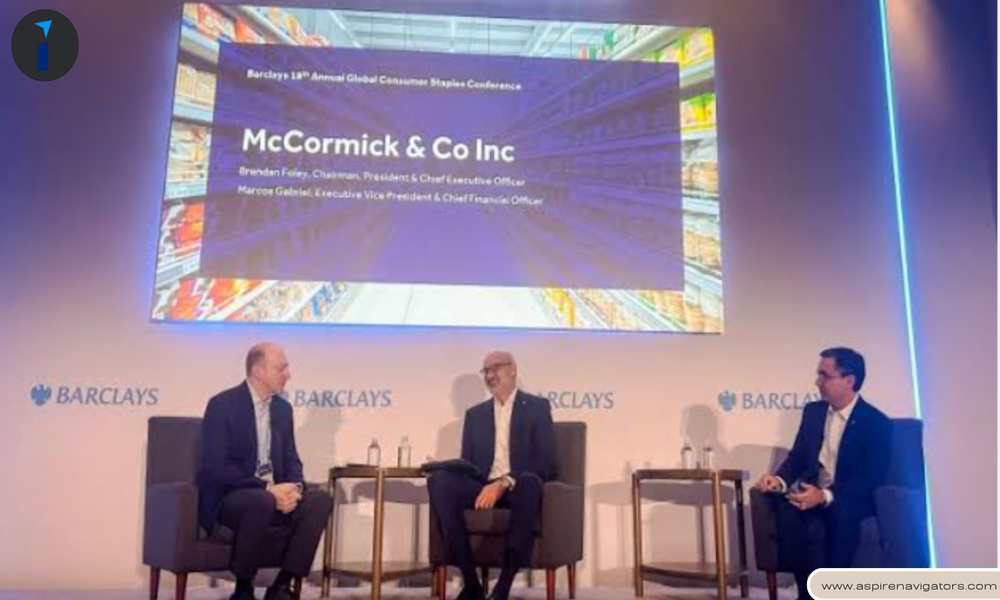
McCormick & Company is set to participate in the Barclays 19th Annual Global Consumer Conference, bringing the company’s business outlook and industry perspective to a global audience of investors and consumer-sector professionals. The presentation will provide an opportunity for McCormick to discuss its business priorities, market environment, and long-term growth plans.

McCormick to Join Global Consumer Conference

McCormick & Company, a major player in the global food and flavor industry, will present at the Barclays 19th Annual Global Consumer Conference. The event brings together leading companies, investors, analysts, and industry professionals to discuss developments across the consumer market.

The company’s participation highlights its continued focus on engaging with the investment community and sharing information about its business performance and future direction.

Focus on Business Performance and Growth

During the conference, McCormick is expected to discuss areas that are important to its ongoing business strategy. These may include consumer demand, brand development, operational priorities, market conditions, and opportunities for sustainable growth.

As consumer preferences continue to change, food companies are working to understand shifting purchasing habits while maintaining product quality and strong brand relationships. McCormick’s broad portfolio gives the company a presence across different food categories and markets.

The conference will provide an important platform for the company to communicate its priorities and address questions from members of the financial community.

Strong Presence Across the Food Industry

McCormick has built a long-standing position in the food and flavor sector through its portfolio of seasonings, spices, condiments, and other food products. Its brands serve consumers and food-service customers across multiple markets.

The company operates in a competitive industry where pricing, consumer preferences, supply conditions, and economic changes can influence business performance. Maintaining strong brands while responding to market developments remains an important part of its growth strategy.

McCormick’s participation at the Barclays conference also reflects the importance of transparent communication between major consumer companies and investors.

Investor Attention on Future Priorities

Industry conferences such as the Barclays Global Consumer Conference give investors an opportunity to gain further insight into a company’s plans and market outlook. Discussions can help stakeholders better understand management priorities and the factors influencing future performance.

For McCormick, the event provides another opportunity to explain how the company is approaching changing market conditions and pursuing opportunities across its global operations.

Investors will likely pay attention to comments surrounding demand trends, business priorities, costs, and expectations for future growth.

Looking Ahead for McCormick

McCormick continues to operate in a global food market shaped by changing consumer needs and evolving economic conditions. Its established brands, international presence, and diversified product portfolio remain important elements of its business.

The upcoming Barclays 19th Annual Global Consumer Conference will give the company an opportunity to share its perspective with investors and other industry participants. The presentation may also offer useful insight into the company’s priorities as it moves forward.

Conclusion

McCormick & Company’s participation in the Barclays 19th Annual Global Consumer Conference highlights its commitment to communicating with investors and industry stakeholders. As the food and consumer market continues to evolve, the company’s discussion of business performance, market conditions, and future priorities will be closely followed by the investment community. The event provides a valuable platform for McCormick to outline its direction and continued focus on long-term business growth.

Read our latest interview with Derek K Cafferata

Top 5 IT Companies Driving the Future of Technology

Technology continues to transform industries, businesses, and everyday life. From cloud computing and cybersecurity to digital transformation and artificial intelligence, IT companies are leading this remarkable change. As organizations embrace modern technologies, the demand for trusted technology partners continues to grow. In 2026, several IT companies stand out for their innovation, customer-centric approach, and ability to solve complex business challenges.

At Aspire Navigators, we believe that innovation begins with visionary leadership. Our platform highlights industry pioneers, successful entrepreneurs, and technology leaders who are shaping the future through creativity, digital transformation, and strategic thinking. By sharing inspiring business stories and industry insights, Aspire Navigators connects readers with the ideas and companies driving global progress.

1. Microsoft

Microsoft continues to lead the global technology industry through its powerful cloud platform, Microsoft Azure, and productivity solutions like Microsoft 365. The company also invests heavily in emerging technologies, helping businesses improve collaboration, security, and operational efficiency.

2. Google

Google has become much more than a search engine. Through Google Cloud, advanced AI capabilities, and business productivity tools, the company empowers organizations to innovate, manage data efficiently, and deliver better customer experiences.

3. Amazon Web Services (AWS)

Amazon Web Services remains one of the world’s most trusted cloud computing providers. Its secure and scalable infrastructure enables businesses of every size to build applications, store data, and expand globally without investing heavily in physical infrastructure.

4. IBM

IBM continues to support enterprises with hybrid cloud solutions, cybersecurity, automation, and consulting services. Its expertise helps organizations modernize operations while improving productivity and data security.

5. Tata Consultancy Services (TCS)

Tata Consultancy Services (TCS) is a global leader in IT services, consulting, and digital transformation. Serving clients across numerous industries, TCS is recognized for delivering innovative technology solutions while maintaining a strong commitment to quality and customer success.

Why These Companies Continue to Lead

The world’s leading IT companies are setting new standards for innovation, sustainability, and digital excellence. Their investments in cloud computing, cybersecurity, software development, and emerging technologies continue to help businesses adapt to changing market demands. As technology evolves, these organizations will remain key drivers of global digital transformation, inspiring the next generation of innovators and business leaders.

Supreme Court Backs Parts of Trump’s Power Claims

The Supreme Court Backs Parts of Trump’s Power Claims in a significant legal decision that could reshape the balance of power between the White House and independent federal agencies. In a temporary ruling, the U.S. Supreme Court allowed former President Donald Trump to move forward with the removal of members from two independent federal agencies while legal challenges continue in lower courts.

The decision is being viewed as another important victory for the executive branch’s authority over federal agencies. Although the case is not yet fully resolved, the ruling highlights the court’s willingness to reconsider long-standing limits on presidential power.

The latest Supreme Court Trump ruling today has drawn attention from legal experts, government officials, and political observers because it could influence how future presidents manage independent agencies.

Supreme Court Allows Trump to Fire FTC Officials

One of the biggest developments from the ruling is that the Supreme Court allows Trump to fire FTC Commissioner Rebecca Kelly Slaughter and National Labor Relations Board (NLRB) member Gwynne Wilcox while the broader legal battle continues.

The administration argued that the president must have greater control over executive branch officials to ensure federal agencies follow presidential policies.

Supporters of the decision believe independent agencies should remain accountable to the elected president, while critics warn that reducing their independence could increase political influence over regulatory decisions.

Why the Supreme Court Firing Case Matters

The Supreme Court firing case centers on whether presidents have constitutional authority to remove officials from independent agencies without proving misconduct or neglect.

For decades, a 1935 Supreme Court decision known as Humphrey’s Executor limited a president’s ability to dismiss members of independent commissions like the Federal Trade Commission (FTC).

The current ruling does not permanently overturn that precedent but temporarily permits the removals while the courts decide the larger constitutional question.

Legal experts believe the final outcome could significantly affect the independence of agencies responsible for:

  • Consumer protection
  • Competition enforcement
  • Labor relations
  • Financial regulation
  • Federal oversight

Supreme Court Trump Ruling Today Strengthens Executive Authority

The latest Supreme Court Trump ruling today reflects the court’s growing interest in expanding presidential control over executive agencies.

The majority indicated that preventing the president from removing executive officials could interfere with constitutional executive powers.

Although the ruling is temporary, it signals that the court may be open to revisiting older decisions that limited presidential authority.

Many constitutional scholars say this could become one of the most important separation-of-powers cases in recent years.

Is This Connected to the Supreme Court 14th Amendment Trump Case?

Some readers have asked whether this decision is related to the Supreme Court 14th Amendment Trump case that addressed Trump’s eligibility for election ballots.

The answer is no.

The earlier case focused on whether states could remove Trump from presidential ballots under the 14th Amendment following the January 6 events.

The current decision instead focuses on presidential authority over independent federal agencies and executive appointments.

Although both involve Trump and the Supreme Court, they concern entirely different constitutional issues.

What About the Supreme Court Slaughter Case?


The Supreme Court Slaughter case refers to FTC Commissioner Rebecca Kelly Slaughter, whose removal became one of the central issues before the court.

Slaughter argued that federal law protects FTC commissioners from being removed without cause. The administration disagreed, saying those protections violate the president’s constitutional authority.

The Supreme Court’s temporary order allows the dismissal to remain in effect while litigation continues.

The final ruling could determine whether future presidents can replace commissioners whenever they choose.

Did Trump Go to Supreme Court Today?

Many people searched online asking, “Did Trump go to Supreme Court today?”

The answer is no.

Trump did not personally appear before the Supreme Court. Instead, the court issued its ruling through its normal legal process after reviewing emergency applications submitted by the administration.

Most Supreme Court decisions are released in written opinions rather than through courtroom appearances by the parties involved.

What Is Trump v. Slaughter?

Searches for Trump v. Slaughter Oyez have increased following the ruling.

Although many users are looking for case summaries, the dispute involves legal challenges surrounding Rebecca Kelly Slaughter’s removal from the Federal Trade Commission. The litigation is expected to continue before lower courts before any final constitutional ruling is issued.

If the Supreme Court later agrees to hear the full case, it could become one of the defining constitutional decisions regarding presidential removal authority.

What This Means for the Future

The decision marks another important chapter in the debate over presidential power and the independence of federal agencies.

Key Takeaways

  • The Supreme Court Backs Parts of Trump’s Power Claims through a temporary ruling.
  • The Supreme Court allows Trump to fire FTC Commissioner Rebecca Kelly Slaughter while litigation continues.
  • The Supreme Court firing case could reshape presidential authority over independent agencies.
  • The ruling is separate from the Supreme Court 14th Amendment Trump case.
  • Trump did not personally appear before the court despite searches asking, “Did Trump go to Supreme Court today?”
  • The final constitutional decision is still pending and could have lasting effects on executive power.

As the legal process moves forward, the U.S. Supreme Court latest news will continue to shape discussions about executive authority, agency independence, and the constitutional limits of presidential power.

Read our latest Interview with Jill Hudgel

Velo3D Expands Production for Defense Demand

Velo3D Expands Production for Defense Demand as the advanced metal 3D printing company strengthens its manufacturing capabilities to meet rising orders from the defense and aerospace sectors. The expansion reflects growing interest in additive manufacturing technologies that help produce complex, high-performance components faster and more efficiently.

The increased production capacity is expected to support customers working on defense programs, aerospace systems, and other high-precision engineering projects. The move also reinforces Velo3D defense capabilities as governments and manufacturers continue investing in advanced production technologies.

Rising Defense Demand Drives Expansion

The defense and aerospace industries are placing greater emphasis on modern manufacturing solutions that reduce production time while maintaining strict quality standards. Metal additive manufacturing has become an important part of this transition, allowing manufacturers to create lightweight and complex parts that are difficult to produce using traditional methods.

Velo3D’s expanded production capacity aims to address this growing demand by increasing output and improving delivery timelines for customers.

Key objectives of the expansion include:

  • Increasing manufacturing capacity
  • Supporting defense and aerospace customers
  • Improving production efficiency
  • Meeting growing market demand
  • Strengthening supply chain capabilities

Industry analysts believe this investment positions the company for continued growth as defense modernization programs accelerate worldwide.

Velo3D Defense Strategy Continues to Grow

The company’s latest expansion highlights its commitment to strengthening Velo3D defense operations. Defense organizations increasingly require advanced manufacturing solutions for mission-critical applications where precision, durability, and reliability are essential.

Metal 3D printing enables manufacturers to produce intricate components while reducing material waste and shortening production cycles.

Some of the advantages include:

  • Faster production of complex components
  • Improved design flexibility
  • Reduced manufacturing waste
  • Lightweight yet durable metal parts
  • Better supply chain resilience

These benefits have encouraged greater adoption of additive manufacturing across defense programs.

Aerospace Industry Remains a Key Growth Area

Alongside defense, the aerospace sector continues to drive demand for advanced manufacturing technologies. Aircraft manufacturers and space companies require components that meet strict performance and safety standards while reducing overall weight.

Velo3D’s expanded production facilities are expected to help meet these industry requirements through precision metal printing solutions.

The company serves customers involved in:

  • Commercial aviation
  • Space exploration
  • Satellite technology
  • Defense aerospace systems
  • Industrial engineering

As aerospace programs become more advanced, manufacturers continue investing in technologies capable of producing highly engineered components.

Velo3D and SpaceX Collaboration Draws Attention

Industry observers have also shown interest in Velo3D and SpaceX, as both companies are associated with advanced manufacturing and aerospace innovation. Velo3D has previously supplied metal additive manufacturing technology used in the production of complex aerospace components.

The relationship highlights the growing importance of 3D printing in supporting space missions and next-generation aerospace engineering.

Advanced manufacturing allows engineers to:

  • Design more efficient components
  • Reduce assembly complexity
  • Improve overall performance
  • Accelerate product development
  • Lower production costs over time

These capabilities continue to reshape aerospace manufacturing worldwide.

Leadership Transition and Strategic Business Review

The expansion comes as investors continue monitoring developments related to Velo3D announces leadership transition and commencement of strategic business review. Leadership changes and business evaluations are often part of long-term efforts to improve operational performance and identify future growth opportunities.

Business reviews generally focus on:

  • Operational efficiency
  • Financial performance
  • Market expansion
  • Customer relationships
  • Long-term investment strategy

Industry experts note that combining operational improvements with expanded manufacturing capacity can strengthen a company’s competitive position.

Interest Grows in Velo3D DoD Projects

The company’s work with government-related manufacturing programs has increased interest in Velo3D DoD activities. Defense organizations continue exploring advanced production technologies to strengthen domestic manufacturing capabilities and improve supply chain security.

Areas where additive manufacturing is becoming increasingly valuable include:

  • Military aircraft components
  • Defense equipment
  • Replacement parts
  • Rapid prototyping
  • Research and development

Growing government investment in advanced manufacturing is expected to create additional opportunities for companies specializing in metal 3D printing.

Velo3D India Interest Continues to Rise

As global manufacturing expands, searches for Velo 3D India have also increased. India’s growing aerospace, defense, and industrial manufacturing sectors continue adopting advanced production technologies to improve competitiveness.

While the company remains focused on global markets, increasing interest from emerging manufacturing hubs demonstrates the worldwide demand for industrial 3D printing solutions.

Manufacturers across Asia are investing in:

  • Aerospace production
  • Precision engineering
  • Defense manufacturing
  • Industrial automation
  • Advanced materials

These investments are helping strengthen regional manufacturing capabilities.

Market Outlook

The announcement that Velo3D Expands Production for Defense Demand reflects broader trends shaping the manufacturing industry. Defense organizations, aerospace companies, and industrial manufacturers are increasingly adopting additive manufacturing to improve efficiency, reduce production costs, and accelerate innovation.

As demand for advanced metal printing solutions continues to grow, Velo3D is positioning itself to support customers requiring precision-engineered components for critical applications. Combined with continued interest in Velo3D defense, Velo3D DoD initiatives, and collaborations such as Velo3D and SpaceX, the company’s production expansion marks another significant step in the evolution of modern manufacturing.

Read our latest interview with Karen Simon

US SEC Fines Merrill Lynch $7.5M Over Compliance Lapses

The U.S. Securities and Exchange Commission (SEC) has fined Bank of America’s Merrill Lynch $7.5 million after finding that the firm failed to properly monitor and report enough suspicious trading activity. The enforcement action highlights the regulator’s continued focus on strengthening compliance standards and ensuring financial institutions maintain effective surveillance systems.

According to the SEC, Merrill Lynch did not adequately identify and flag certain suspicious transactions over an extended period. Regulators said the shortcomings could have reduced the effectiveness of market oversight designed to detect potential misconduct.

The latest SEC fines Merrill Lynch action serves as another reminder that financial firms are expected to maintain strong internal controls and respond quickly to potential compliance risks.

Why the SEC Issued the Fine

The SEC stated that brokerage firms play an essential role in helping protect the integrity of U.S. financial markets. Firms are required to monitor customer activity and report transactions that appear unusual or potentially suspicious.

Regulators found weaknesses in Merrill Lynch’s surveillance processes, which limited its ability to detect certain transactions requiring closer review.

The enforcement action emphasizes that firms must regularly evaluate and improve their monitoring systems to keep pace with changing market conditions and regulatory expectations.

Importance of Effective Surveillance Systems

Financial institutions rely on surveillance programs to identify transactions that could indicate fraud, market manipulation, or other violations.

Strong compliance systems help organizations:

  • Detect suspicious trading activity early.
  • Improve regulatory reporting.
  • Reduce financial and legal risks.
  • Strengthen investor confidence.
  • Support transparent financial markets.
  • Meet federal regulatory requirements.

Experts say regular reviews and updates of surveillance technology are essential as trading volumes and transaction complexity continue to increase.

Regulatory Oversight Remains a Priority

The SEC has consistently increased enforcement efforts against firms that fail to meet compliance obligations. Regulatory agencies expect financial institutions to maintain effective supervision systems that can identify unusual activity without unnecessary delays.

Search interest has also grown around previous enforcement cases, including bank of america merrill lynch fined $3 m over deficient supervision systems and us regulator fines bank of america merrill lynch $3 m over insufficient surveillance systems. While those matters involved separate regulatory actions and different penalties, they reflect the broader expectation that firms maintain robust oversight and supervision programs.

Industry analysts note that repeated compliance failures can expose firms to financial penalties, reputational damage, and increased regulatory scrutiny.

What Financial Institutions Can Learn

The SEC’s action highlights several lessons for banks, brokerage firms, and investment companies.

Organizations should focus on:

  • Regularly testing surveillance systems.
  • Updating compliance procedures.
  • Training employees on regulatory obligations.
  • Improving transaction monitoring capabilities.
  • Conducting independent compliance reviews.
  • Addressing identified weaknesses promptly.

These measures can help firms reduce regulatory risks while improving overall governance.

Merrill Lynch’s Compliance Responsibilities

As one of the largest brokerage businesses in the United States, Merrill Lynch processes a significant number of customer transactions every day. Managing this volume requires effective monitoring systems capable of identifying unusual patterns that may require further investigation.

The latest enforcement action does not suggest that every unreported transaction involved wrongdoing. Instead, regulators focused on whether the firm’s systems were sufficiently designed to identify activity that should have received additional review.

Financial experts say large institutions must continually upgrade compliance programs as regulations evolve and transaction volumes increase.

Enforcement Signals Continued Regulatory Focus

The SEC continues to emphasize accountability across the financial services industry. Enforcement actions are intended not only to address specific compliance failures but also to encourage firms throughout the market to strengthen their internal controls.

Searches related to merrill lynch fined $12 m often refer to separate historical enforcement matters involving different allegations and settlements. Together with the latest case, these actions illustrate the regulator’s long-term commitment to ensuring firms comply with securities laws and maintain effective compliance programs.

Impact on Financial Compliance

The SEC fines Merrill Lynch case reinforces the importance of strong compliance systems in today’s financial markets. As regulators continue to strengthen oversight, banks and brokerage firms are expected to invest in better surveillance technology, employee training, and internal governance.

For investors, the enforcement action underscores the role regulatory agencies play in promoting fair and transparent markets. For financial institutions, it serves as a reminder that maintaining effective monitoring systems is not only a regulatory requirement but also a key part of building trust and protecting market integrity.

With regulatory expectations continuing to evolve, firms that prioritize compliance and regularly strengthen their surveillance frameworks will be better positioned to manage risk and maintain confidence among customers, investors, and regulators.

Read our Latest Interview with Janet Levine

Marco Rubio Outlines US Policy in Press Remarks

U.S. Secretary of State Marco Rubio outlined the Trump administration’s latest foreign policy priorities during recent press remarks, emphasizing regional security, diplomacy, and stronger partnerships with key allies. His comments focused on the United States’ approach toward Iran, stability in the Middle East, and expanding strategic cooperation across the Indo-Pacific.

Rubio said the administration remains committed to preventing threats to U.S. interests while continuing diplomatic engagement where possible. He stressed that the United States aims to strengthen alliances and support long-term regional stability through cooperation with partner nations.

US Policy Continues to Focus on Iran

A major part of Rubio’s remarks centered on Iran and its military capabilities.

He stated that the United States remains concerned about Iran’s ballistic missile program and its potential impact on American forces and regional allies. Rubio explained that Washington’s objective is to reduce security threats while encouraging diplomatic solutions whenever possible.

According to Rubio, the administration believes preventing Iran from expanding capabilities that threaten regional security remains a key foreign policy priority. He also noted that the United States remains open to discussions if diplomacy can produce meaningful results.

Middle East Stability Remains a Top Priority

Rubio emphasized that maintaining peace and stability across the Middle East continues to be one of Washington’s central goals.

He said the United States is working closely with regional partners to improve security and reduce the risk of future conflicts. The administration also continues to support diplomatic efforts designed to strengthen cooperation among allies.

According to Rubio, regional stability benefits both local countries and the broader international community by helping protect trade, energy security, and global economic growth.

Framework Agreement Between Lebanon and Israel

Rubio also highlighted progress in diplomatic efforts involving Lebanon and Israel.

He announced that the United States supported a framework agreement intended to begin a broader peace process between the two countries. The agreement includes plans for continued military coordination and cooperation aimed at reducing tensions along the border.

Officials said the United States will continue working with both governments while supporting mechanisms that monitor developments on the ground and encourage implementation of agreed measures.

Key Foreign Policy Priorities

Rubio’s remarks outlined several important objectives for U.S. foreign policy:

  • Prevent security threats from expanding in the Middle East.
  • Strengthen partnerships with regional allies.
  • Support diplomatic engagement alongside national security efforts.
  • Expand strategic cooperation across the Indo-Pacific.
  • Promote regional stability through international partnerships.
  • Continue monitoring security developments with allied governments.

These priorities reflect the administration’s broader strategy of combining diplomacy with security cooperation.

Indo-Pacific Partnerships Continue to Grow

Beyond the Middle East, Rubio reaffirmed the importance of strengthening relationships across the Indo-Pacific.

He described countries in the region as important strategic partners for the United States and said closer cooperation would help address shared economic and security challenges.

The administration continues to view the Indo-Pacific as a key region for long-term diplomatic engagement, trade cooperation, and regional security initiatives.

Diplomacy Remains Central to US Strategy

Although national security remains a priority, Rubio stressed that diplomacy continues to play an essential role in U.S. foreign policy.

He said the United States remains willing to engage with governments through dialogue whenever discussions can help reduce tensions and advance American interests. At the same time, Washington will continue working closely with allies to address emerging security challenges.

Rubio noted that diplomatic engagement and strong international partnerships remain important tools for maintaining peace and supporting global stability.

What These Remarks Mean

Rubio’s latest press briefing provides a clearer picture of the administration’s foreign policy direction. The focus remains on limiting regional security threats, strengthening alliances, supporting diplomatic solutions, and expanding cooperation with strategic partners.

As geopolitical developments continue to evolve, the United States is expected to maintain close coordination with allies while balancing diplomacy and security objectives. The remarks signal that Washington intends to remain actively engaged in both the Middle East and the Indo-Pacific as part of its broader international strategy.

Read full press release: Secretary of State Marco Rubio Remarks to the Press

US Targets Cuban Revenue Network with New Sanctions

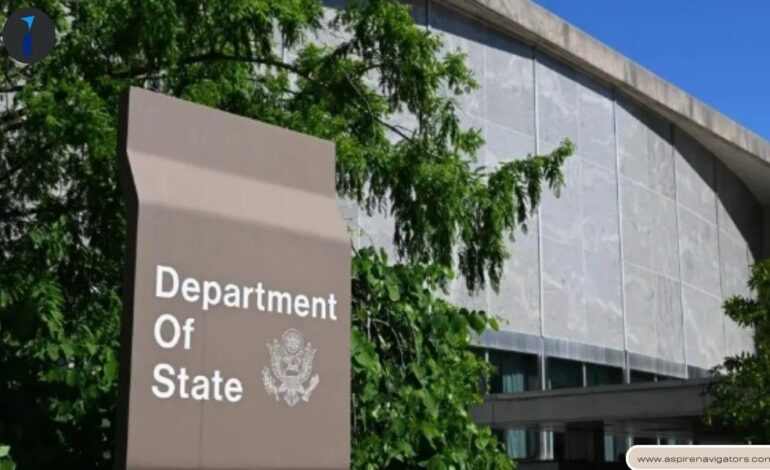
The United States has announced another round of US sanctions targeting key entities and individuals linked to the Cuban government’s revenue-generation network. The latest measures are part of Washington’s broader effort to restrict financial resources that officials say support the Cuban regime and its state-controlled business operations. The sanctions were announced by the U.S. Department of State under Executive Order 14404, which expands the government’s authority to target organizations and individuals connected to Cuba’s economic and security networks.

The move reflects the latest step in the U.S. strategy to increase economic pressure while holding organizations accused of supporting the Cuban government’s activities accountable.

New US Sanctions Target Revenue-Generating Entities

According to the State Department, the latest US sanction package includes five Cuban entities and one individual believed to play an important role in generating revenue for the Cuban government.

Several of the sanctioned organizations are associated with Grupo de Administración Empresarial S.A. (GAESA), a military-run business group that operates across multiple sectors of the Cuban economy. U.S. officials say these entities help finance government operations and strengthen the regime’s economic influence.

Key Highlights of the Sanctions

The latest action includes measures against:

  • Five Cuban entities connected to the government’s revenue network.
  • One individual linked to sanctioned organizations.
  • Businesses associated with the military-run GAESA group.
  • Companies involved in finance, logistics, mining, and industrial operations.
  • Organizations identified under Executive Order 14404.

The U.S. government said these sanctions are designed to reduce the Cuban regime’s ability to generate financial resources through state-controlled enterprises.

Why the United States Imposed the Measures

The U.S. government said the latest Cuban US sanctions are intended to increase pressure on organizations that allegedly provide financial support to the Cuban government.

Officials stated that the sanctions focus on revenue-generating businesses rather than the Cuban people. According to the State Department, limiting access to financial resources is part of a broader policy aimed at addressing concerns related to governance, security, and regional stability.

US Sanctions on Companies Expand

The latest announcement further broadens US sanctions on companies connected to Cuba’s state-controlled economy.

Among the sectors affected are:

  • Financial services.
  • Foreign trade and logistics.
  • Mining operations.
  • Industrial manufacturing.
  • State-owned commercial enterprises.

The new restrictions may make it more difficult for sanctioned organizations to conduct international business or access foreign financial services.

Impact on Businesses and International Trade

The expanded sanctions are expected to increase compliance requirements for companies that have business relationships involving Cuba.

Businesses operating internationally may need to:

  • Review commercial partnerships.
  • Strengthen sanctions screening procedures.
  • Evaluate supply chain risks.
  • Monitor future regulatory updates.
  • Ensure compliance with U.S. sanctions regulations.

Financial institutions and multinational companies often reassess transactions involving sanctioned entities to avoid potential regulatory risks.

International Response

The latest sanctions have attracted attention from governments, businesses, and policy experts monitoring developments in U.S.-Cuba relations.

Supporters of the measures argue they increase pressure on organizations that financially support the Cuban government. Critics, however, believe additional sanctions could further affect Cuba’s already struggling economy and make international trade more challenging.

What This Means Going Forward

The latest sanctions demonstrate that the United States intends to continue expanding economic measures targeting Cuba’s government-controlled business network. Analysts believe additional actions could follow if U.S. officials determine that more organizations are supporting sanctioned activities.

For international businesses, the announcement highlights the importance of monitoring regulatory changes and maintaining strong compliance programs. As Washington continues refining its Cuba policy, companies involved in cross-border trade and finance are expected to closely follow future developments and assess how new sanctions could affect global business operations.

Read full Press Release: Further Sanctions on the Cuban Regime’s Revenue Generation Network

Deputy Secretary Landau Visits Panama for OAS Meet

U.S. Deputy Secretary of State Christopher Landau is visiting Panama to attend the General Assembly of the Organization of American States (OAS), reaffirming the United States’ commitment to strengthening partnerships across the Western Hemisphere. The visit brings together government leaders, diplomats, and regional representatives to discuss shared priorities, including democratic governance, economic development, regional security, and international cooperation.

The annual OAS General Assembly serves as one of the region’s most important diplomatic gatherings, providing member states with an opportunity to exchange ideas, address common challenges, and strengthen collaboration on issues affecting the Americas.

Deputy Secretary Landau’s participation reflects the United States’ continued support for regional dialogue and collective efforts to promote stability, prosperity, and sustainable development.

Key Highlights of the Visit

  • Deputy Secretary Christopher Landau is attending the OAS General Assembly in Panama.
  • The meeting brings together representatives from OAS member nations.
  • Discussions will focus on regional cooperation, democracy, and economic growth.
  • The United States aims to strengthen diplomatic partnerships across the Americas.
  • Leaders are expected to exchange views on security, development, and shared regional priorities.

OAS General Assembly Brings Regional Leaders Together


The Organization of American States plays a vital role in promoting cooperation among countries in the Americas. Through regular meetings and policy discussions, member states work together to address regional challenges while encouraging peace, democratic values, and sustainable development.

The General Assembly provides a platform for foreign ministers and senior government officials to review ongoing initiatives and identify new opportunities for collaboration.

This year’s discussions are expected to cover economic resilience, regional security, migration, institutional cooperation, and inclusive development.

Strengthening US-Panama Relations

Panama remains an important strategic partner for the United States in Central America. The two countries maintain close cooperation in trade, security, education, infrastructure, and economic development.

Deputy Secretary Landau’s visit also highlights the importance of maintaining strong bilateral relations while supporting broader regional objectives through diplomacy and constructive engagement.

Officials from both countries are expected to discuss ways to expand cooperation that benefits businesses, communities, and long-term economic growth.

Focus on Regional Cooperation

Regional cooperation continues to be a central theme of the OAS General Assembly. As countries face evolving economic and security challenges, stronger partnerships are becoming increasingly important.

Delegates are expected to discuss practical solutions that encourage:

  • Stronger democratic institutions
  • Economic growth and investment
  • Regional security cooperation
  • Humanitarian collaboration
  • Sustainable development initiatives
  • Greater diplomatic engagement among member nations

These discussions are intended to strengthen trust and encourage coordinated action across the Americas.

Why the Meeting Matters

The OAS General Assembly serves as more than a diplomatic event. It offers member nations an opportunity to build consensus on regional priorities while encouraging dialogue on shared interests.

For the United States, participation demonstrates its commitment to working closely with partners throughout the Western Hemisphere. Strong diplomatic relationships help create opportunities for trade, investment, innovation, and long-term regional stability.

Experts note that regular engagement through organizations such as the OAS helps countries respond more effectively to emerging challenges while supporting peaceful cooperation.

Economic and Diplomatic Benefits

Alongside political discussions, international meetings often create opportunities to strengthen commercial and economic relationships. Governments can explore ways to encourage investment, improve infrastructure, and expand partnerships across sectors including technology, energy, healthcare, and education.

Business leaders closely watch these diplomatic engagements because stronger international cooperation can lead to increased trade, investment opportunities, and broader economic collaboration.

The United States continues to emphasize partnerships that support innovation, inclusive economic growth, and regional prosperity.

Continued Commitment to Regional Partnership

Deputy Secretary Landau’s visit to Panama underscores the United States’ ongoing commitment to the Organization of American States and its member countries. By participating in high-level discussions, the United States aims to reinforce diplomatic ties, promote democratic values, and encourage greater cooperation across the region.

As the General Assembly progresses, leaders are expected to continue working together on initiatives that strengthen regional stability, support sustainable development, and create new opportunities for collaboration throughout the Americas. These discussions are expected to contribute to stronger partnerships and a shared vision for long-term progress.

Read full Press Release: Landau Heads to Panama for OAS General Assembly