Feature Now Aspire Higher, Dream Bigger — Experience Exclusive Offers Like Never Before in the New Edition of Aspire Navigators!

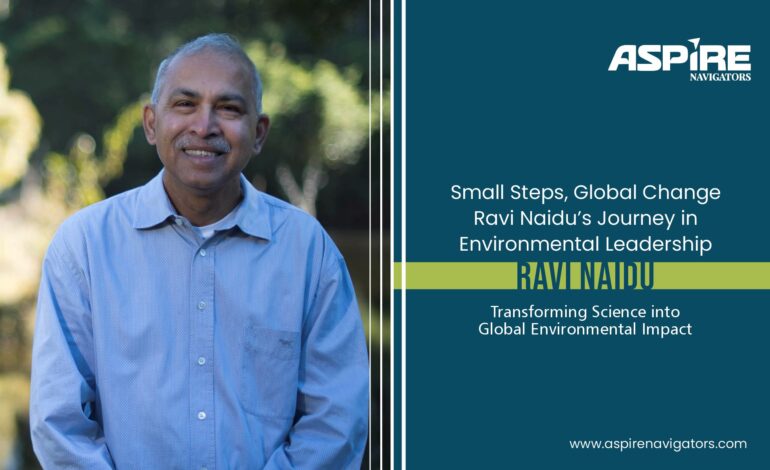
Ravi Naidu: Transforming Science into Global Environmental Impact

Sometimes the most profound transformations begin not with sweeping changes, but with the smallest of steps—an insight shared, a young professional trained, or a conversation that sparks possibility. For distinguished Laureate Professor Ravi Naidu, this belief has guided his journey from a young researcher to a global leader in environmental science and sustainability.

It was this conviction that led him to raise modest funds, bit by bit, to bring delegates from across the Asia-Pacific to Australia for the very first CleanUp Conference in 1996. What might have seemed like a small effort—supporting a handful of participants—became the foundation for a global movement in environmental remediation and skills development.

For Ravi, the lesson enduring science alone is not enough. True impact lies in pairing knowledge with communication, collaboration, and trust. Today, as Managing Director and CEO of crcCARE, and as the Director of the Global Centre for Environmental Remediation, University of Newcastle Australia, he continues to nurture this philosophy, building not just research outcomes, but generations of professionals equipped to lead complex, multi-sector solutions to contamination and environmental challenges. His story is proof that the small things, done with purpose, can create ripples that reshape the world.

From Research to Real-World Impact

Ravi’s inspiration stems from witnessing the profound impacts of environmental contamination on human health, ecosystems, and livelihoods, particularly in developing regions. Early in his career, he recognised that the issue was not only scientific but also systemic: many countries lacked the capacity, infrastructure, and trained personnel needed to effectively monitor and mitigate contamination. This realization motivated him to dedicate his career not only to advancing research but also to strengthening the capabilities of governments, industries, and institutions worldwide.

Unlike private consulting companies, which often operate on short-term, profit-driven contracts, Ravi understood that lasting progress in developing countries could not be achieved through consultancy alone. With nearly ten million potentially contaminated sites globally, he saw that financial limitations would prevent many nations from outsourcing their environmental challenges indefinitely. The only sustainable solution was to build local expertise: every scientist, regulator, or practitioner trained would not only contribute to immediate clean-up but also prevent future contamination.

He has long believed that sustainable solutions require more than technology; they demand knowledge sharing, strong partnerships, and empowerment. By building global networks, training programs, and accredited laboratories—including those he helped establish in Coimbatore, India, and Dhaka, Bangladesh—his mission has been to enable countries to manage their own environmental risks, safeguard food safety, and protect public health. For him, environmental stewardship should never be a privilege reserved for wealthy nations; it must be a universal right advanced through shared science and collaborative innovation.

At crcCARE, innovation under his leadership is never pursued for its own sake; it is guided by the imperative of real-world impact. Research programs are co-designed in close partnership with industry, regulators, and communities, ensuring that every outcome is both scientifically rigorous and practically viable. Laboratory discoveries have been translated into field-ready technologies for contaminant detection, in situ remediation, and sustainable groundwater treatment. Equally important, each advance is accompanied by training programs, guidelines, and accreditation processes enabling adoption globally, including in emerging economies.

By embedding skills development into every initiative, distinguished Laureate Professor Ravi Naidu has ensured that crcCARE’s work empowers nations to manage contamination risks independently through local expertise, accredited facilities, and climate-resilient infrastructure. This fusion of technology transfer and capacity building has positioned crcCARE as a catalyst for long-term environmental security and global collaboration.

Transforming Research into Resilience

Under Ravi’s leadership, crcCARE has achieved landmark milestones in global capacity building. One of the most significant has been the establishment of world-class analytical and remediation laboratories in collaboration with universities and industry partners. These facilities—including those in Coimbatore, India, and Dhaka, Bangladesh—have enabled countries to meet international environmental and trade standards with greater efficiency and confidence.

In recognition of his global leadership, Professor Naidu was awarded the FAO of the UN–Glinka World Soil Prize in 2018, the world’s highest honour in soil science. This award acknowledged his lifetime achievements in advancing sustainable soil management and environmental remediation, particularly through initiatives that built enduring capacity in nations to address contamination challenges independently.

Recognising that crcCARE alone could not deliver this mission on a scale, Ravi spearheaded collaboration with universities, leading to the creation of the Global Centre for Environmental Remediation (GCER) at the University of Newcastle. GCER’s academic networks, combined with crcCARE’s applied research excellence, created a powerful platform for training, knowledge exchange, and technology transfer. He consistently credits these achievements to the strength of his teams and collaborators, underscoring that building capacity is always a collective effort.

Equally transformative has been crcCARE’s training programs. Thousands of scientists, regulators, and industry professionals, including many from developing Asia-Pacific nations, have been trained in best practices for contamination assessment, remediation, and risk management. These initiatives span hands-on training for consultants, accreditation programs, advanced contaminant testing, and sustainable remediation techniques, ensuring that knowledge is not only shared but embedded in practice.

Through its global partnerships, crcCARE jointly with GCER has become a leader in translating science into capacity and policy impact. Professor Naidu also draws attention to the defining environmental challenges of our time: the persistence of PFAS and other “emerging chemicals,” the spread of plastics and microplastics, heavy metal contamination, and the intensifying risks linked to climate change. These threats jeopardize ecosystems, food security, and human health, particularly in vulnerable regions.

He emphasises that addressing these challenges requires more than advanced technologies. It demands local capacity. Many nations still lack accredited laboratories, trained personnel, and regulatory systems necessary to monitor and respond to emerging contaminants. Without these foundations, global solutions remain out of reach.

By building local testing facilities, training scientists and regulators, and developing harmonised guidelines, crcCARE under Naidu’s stewardship empowers nations to manage contamination risks independently and sustainably. This integrated approach strengthens resilience, allowing countries to detect threats early, comply with international standards, and implement remediation strategies tailored to their unique environmental and economic contexts.

Empowering People to Deliver Sustainable Environmental Solutions

Ravi views capacity building not as a one-off initiative, but as a long-term investment in the next generation of environmental leaders. Under his guidance, crcCARE jointly with GCER prepares future researchers and practitioners through three core pillars: world-class training, practical experience, and international collaboration.

Through postgraduate programs in partnership with leading universities, students engage in industry-driven projects that address real environmental challenges. PhD candidates and postdoctoral fellows gain hands-on experience in advanced laboratory techniques, field remediation, and modern risk assessment tools, ensuring their skills are immediately applicable.

Naidu also stresses the importance of leadership and communication, ensuring graduates can influence policy and shape systemic change. International placements and connections with organisations such as the FAO and partner universities expose early-career researchers to global sustainability issues, preparing them to lead multi-sector solutions to complex contamination and environmental issues.

He is motivated by the lasting impact this work delivers for communities, ecosystems, and future generations. Progress, he often notes, is incremental—built through each trained professional, new insight, and successful project that together lay the foundation for broader transformation. What energises him most is seeing the growth of his teams, students, and collaborators, and the ripple effects of their work. For Naidu, perseverance is essential: every step forward, however small, contributes to global change.

To extend this mission, he launched globalCARE and PlanetCARE, initiatives dedicated to strengthening environmental training and capability development across developing nations. While these programs are already gaining momentum, their long-term success depends on philanthropic support to complement competitive research grants. With additional resources, crcCARE and GCER can scale their impact, equipping countries not only to remediate legacy contamination but also to prevent new environmental crises.

Building Capacity, Not Just Technology

Ravi’s advice to industry leaders is clear: sustainability should not be treated as a side initiative, but as a core strategic driver. Embedding environmental, social, and governance considerations into every layer of decision-making and operations, he argues, is essential for long-term success. Equally critical is investment in capacity—the skills, knowledge, and networks that enable organisations and sectors to adapt and innovate. By equipping teams to collaborate and respond to emerging challenges, Naidu demonstrates how sustainability can become a source of resilience, growth, and competitive advantage, rather than a compliance burden.

Looking ahead, he hopes crcCARE’s legacy will be defined not only by research breakthroughs and remediation technologies but also by the people and knowledge it has empowered. For Naidu, the organisation’s lasting impact lies in the global capacity it has built, training the next generation of scientists, practitioners, and leaders who can address complex chemical and environmental challenges wherever they arise. He envisions crcCARE being remembered not just for the science it delivered, but for the networks, partnerships, and practical skills it fostered—creating pathways for knowledge to flow across borders and sectors long after individual projects are complete.

Shaping the Next Decade of Remediation

Ravi ensures that scientific rigor is always tied to real-world outcomes by embedding application into research design from the outset. Under his leadership, crcCARE projects are structured to generate robust evidence while also delivering practical tools, guidelines, and training programs that governments, industries, and communities can readily adopt. By engaging stakeholders throughout the process, Naidu ensures that solutions are not only technically sound, but also scalable, locally relevant, and sector-ready. This model transforms research excellence into tangible capacity and lasting impact.

Looking ahead, he highlights several trends that will shape the future of remediation: the persistence of contaminants such as PFAS, microplastics and emerging contaminants, intensifying regulatory expectations, the growing demand for sustainable and in situ remediation technologies, and the rapid integration of digital tools including sensors, AI, and real-time monitoring. To meet these challenges, crcCARE is strengthening global capacity by training scientists and practitioners in advanced techniques, fostering cross-sector collaboration, and developing tools and frameworks that help governments and industries respond with speed and confidence. By anticipating risks and translating science into practice, Naidu positions crcCARE and GCER to drive preparedness, resilience, and innovation in an increasingly complex environmental landscape.

Science, Teamwork, and Philanthropy for a Cleaner Future

Scaling these efforts requires more than research excellence and partnerships—it also calls for philanthropic support. crcCARE is seeking partners who share their commitment to building a cleaner, safer future. With additional resources, they can expand training, establish more accredited laboratories, and equip developing nations to both remediate legacy contamination and prevent new threats from emerging.

Philanthropic investment will not just fund science—it will accelerate the transfer of knowledge, the training of local experts, and the establishment of infrastructure that ensures nations can sustain progress long after projects conclude. Most importantly, such support will build on and amplify what Professor Naidu has already delivered over decades of leadership—ensuring cleaner environments, safer food systems, and healthier communities worldwide. By combining science, teamwork, and philanthropy, this mission ensures that knowledge and capacity extend well beyond individual projects, creating lasting global impact.

Those interested in contributing to this vision are warmly invited to contact admin@crccare.com

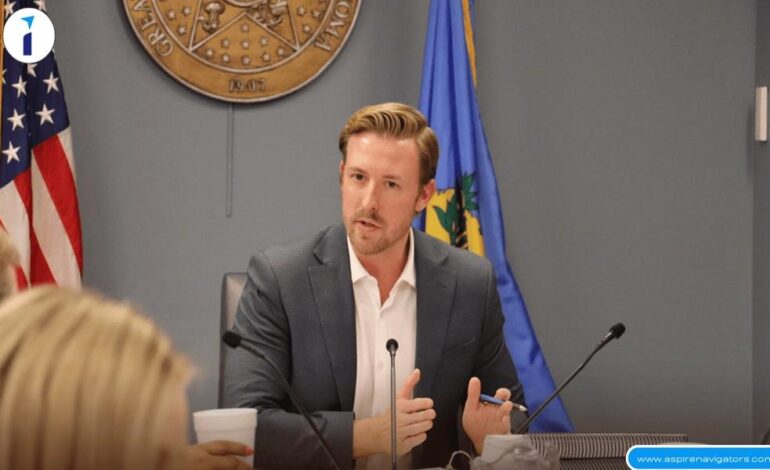
Oklahoma Joins Forces with Turning Point USA to Empower Students

Oklahoma’s Partnership

Oklahoma has officially announced a strategic partnership with Turning Point USA (TPUSA), a national nonprofit organization focused on promoting free markets, limited government, and individual liberty among young Americans. This collaboration aims to provide students across the state with educational resources, mentorship programs, and leadership training opportunities.

The partnership will allow Oklahoma high schools and universities to host TPUSA events and workshops, bringing speakers and thought leaders to engage with students on topics such as entrepreneurship, civic engagement, and financial literacy. Advocates believe this initiative will help cultivate a new generation of informed and proactive citizens.

Expanding Opportunities for Students

Through this partnership, students in Oklahoma will have access to TPUSA’s nationwide network, enabling them to participate in conferences, competitions, and online programs. TPUSA student empowerment and this collaboration seeks to foster critical thinking and leadership skills among Oklahoma’s youth.

Officials highlight that the initiative is not just limited to traditional academic settings. Community events and local chapters will offer practical experiences for students, helping them connect classroom learning with real-world applications. This approach aims to make civic education more interactive and impactful.

Building a Network of Young Leaders

Oklahoma’s partnership with TPUSA also includes the development of on-campus chapters, where students can lead discussions, organize events, and collaborate on projects promoting civic engagement. These chapters serve as hubs for leadership training, allowing young people to gain hands-on experience in organizing initiatives and public speaking.

The collaboration is expected to attract students from diverse backgrounds, emphasizing inclusivity and the value of multiple perspectives in shaping civic dialogue. By fostering mentorship opportunities and peer networking, the initiative aims to strengthen student confidence and engagement.

State officials and educators have expressed optimism about the long-term benefits of this partnership. They believe that exposing students to a variety of ideas and experiences will enhance critical thinking, encourage community participation, and inspire future leaders across Oklahoma.

Oklahoma’s partnership with Turning Point USA represents a important step toward enhancing student education and civic engagement. By combining resources, mentorship, and practical experiences, this initiative seeks to create a vibrant network of young leaders prepared to make a positive impact in their communities and beyond.

Want to know: Turkiye Israel’s Next Target?

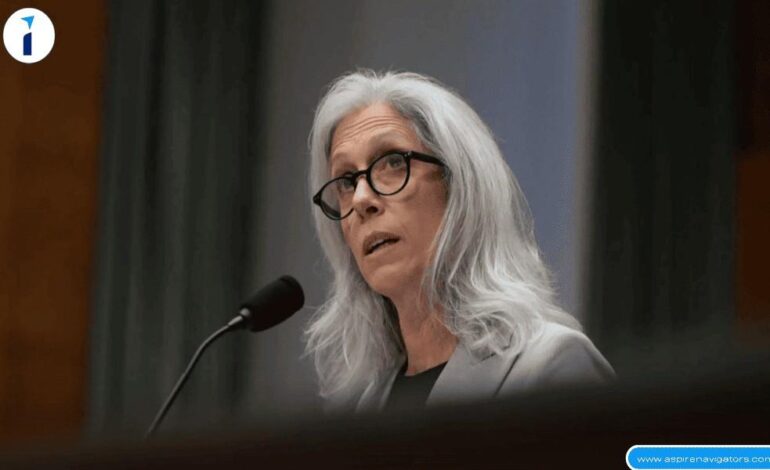
Susan Monarez Says RFK Jr. Fired Her Over Evidence Clash

Former CDC Director Susan Monarez testified before the Senate Committee on Health, Education, Labor, and Pensions, claiming she was ousted by President Robert F. Kennedy Jr. because she refused to compromise scientific standards. According to her statement, the administration pressured her to align health policy with ideological preferences rather than established evidence.

Monarez explained that the move was not voluntary, but rather resulted from a clear confrontation with the President’s expectations. She highlighted her dedication to scientific integrity, pointing out that replacing data with ideology would have harmed the CDC’s credibility at a vital juncture. Her words generated an immediate controversy among lawmakers, highlighting how political agendas can impact public health leadership.

Clash Between Evidence and Ideology

During her testimony, Monarez indicated that she continuously prioritized peer-reviewed research, established processes, and data-driven conclusions in her decision-making. However, she said that the government wanted her to change public health message to fit political narratives. She said that the strain reached a breaking point, resulting to her dismissal.

Senators pushed Monarez on whether she thought this indicated a larger pattern in the administration’s treatment of health issues. She answered cautiously, stating that her example demonstrated how delicate the balance between politics and science can be when politicians fail to protect institutions such as the CDC from ideological influence.

A Divided Senate Reaction

Reaction among senators was sharply divided. Some lawmakers praised Monarez for standing firm in defense of evidence-based practices, calling her removal a dangerous precedent. Others, however, suggested that leadership transitions are common and that her departure might reflect differences in management style rather than a rejection of science.

Still, her testimony raised alarm among public health advocates, who fear that undermining scientific standards could erode trust in federal health agencies. They argue that credibility, once lost, is extremely difficult to rebuild, especially in the aftermath of a global pandemic that tested public confidence in health authorities.

Broader Implications for U.S. Health Policy

Monarez’s ousting highlights the ongoing struggle to keep politics separate from scientific decision-making. Her remarks underscored the risks of sidelining experts when health policies must respond to complex and evolving threats. Analysts warn that if similar disputes occur across other agencies, the U.S. could face long-term challenges in maintaining public health readiness.

As the Senate continues to evaluate her testimony, the case of Susan Monarez stands as a reminder of the delicate relationship between evidence and ideology in American governance. Whether her dismissal was an isolated event or part of a wider shift will likely remain a key point of contention in the months ahead.

Aspire Navigators News Update — follow now for the full story and all the insights!

Turkiye Israel’s Next Target? Rising Risks for the Middle East.

The question of whether Turkiye is Israel’s next target in the Middle East is gaining urgency following recent Israeli airstrikes in Doha. Ankara is watching developments with deepening concern, wary of Tel Aviv’s expanding ambitions that could reshape the region’s fragile balance.

Heightened Alert in Ankara

In the wake of Israel’s latest military moves, Turkish officials have reportedly placed security and diplomatic channels on high alert. Analysts note that the strikes in Doha are viewed in Ankara as more than an isolated attack; they represent a continuation of Israel’s broader push to assert dominance across the region.

Turkiye’s leadership has long criticized Israel’s aggressive policies, particularly in Gaza and Lebanon. Now, with mounting evidence of Israeli outreach and military assertiveness, the fear that Ankara could become a future focal point of confrontation is steadily growing.

Regional Ambitions Fuel Anxiety

Israel’s recent actions are increasingly being interpreted as part of a wider geopolitical blueprint. The targeting of Doha has raised speculation about Tel Aviv’s willingness to confront states beyond its immediate borders.

Turkiye, positioned at the crossroads of Europe and the Middle East, carries strategic weight that makes it both a potential adversary and a critical obstacle to Israel’s long-term goals. Observers warn that any direct targeting or escalation against Turkiye would risk plunging the region into unprecedented turmoil.

Ankara’s Diplomatic Balancing Act

While military preparedness is being tightened, Turkiye is also intensifying diplomatic outreach. Reports suggest Ankara is engaging regional allies, including Qatar and Iran, to ensure that Israel’s power plays are met with a coordinated response.

At the same time, Turkiye is navigating its relationship with Western powers, many of whom remain cautious about openly challenging Israel. This balancing act underscores the difficulty Ankara faces in maintaining both regional credibility and global diplomatic influence.

Rising Risks for the Middle East

The idea of Turkiye being Israel’s next target is more than speculation—it reflects a growing perception that Tel Aviv’s military and political maneuvers are becoming increasingly bold. Experts caution that if unchecked, such actions could destabilize not just the Levant but also broader Middle Eastern alliances.

For now, Ankara appears determined to project strength while avoiding unnecessary provocation. Yet, the unpredictability of Israel’s next move leaves the region on edge. The coming weeks will be crucial in determining whether these tensions escalate into direct confrontation or remain contained through diplomacy.

US IPO Activity Gains Momentum as Trade Tensions Subside

Argentina Defends Peso With Biggest Dollar Sale in Six Years

Highlight Note: Argentina’s central bank intervened in the foreign exchange market with its largest daily dollar sale in six years, aiming to slow the peso’s rapid decline.

Dollar Sale Marks a Major Move

Argentina’s central bank executed its biggest one-day dollar sale in six years, underscoring the severity of pressure on the peso. The intervention was aimed at curbing the local currency’s slide, which has been accelerating amid investor uncertainty and persistent inflation.

According to market analysts, the bank sold hundreds of millions of U.S. dollars on Friday, a measure reflecting both urgency and the limits of monetary tools available to stabilize the financial system.

Peso Under Strain

The peso has faced sharp depreciation in recent weeks as inflation in Argentina remains one of the highest globally. Investors, wary of the government’s ability to control fiscal deficits and debt levels, continue to seek safety in the U.S. dollar.

The central bank’s move highlights its struggle to maintain exchange rate stability in an economy heavily dependent on imports and foreign reserves.

Impact on Markets

The intervention temporarily eased some pressure on the peso, but economists caution that it may not provide long-term relief. Argentina’s dwindling reserves make frequent large-scale interventions unsustainable.

Markets reacted cautiously, with some investors noting that while the peso stabilized slightly, confidence remains fragile. Without structural reforms, reliance on dollar sales may only delay deeper corrections.

What’s Next for Argentina?

Experts suggest that Argentina’s central bank faces a delicate balancing act: supporting the peso without depleting reserves. The latest intervention, though significant, could raise questions about the sustainability of the current strategy.

Observers warn that continued currency instability could further complicate Argentina’s negotiations with international lenders and affect its economic recovery prospects.

Explore the full edition here: HealthTech Trailblazer: Shaping Smarter Healthcare & Wellness for Tomorrow, 2025

H-1B Visa: Is Trump’s Crackdown Reshaping the Indian IT Industry?

Highlight Note: The U.S. administration’s tightened stance on H-1B visas is creating significant challenges for Indian IT companies, pushing them to rethink strategies, workforce planning, and global expansion.

H-1B Visa and Indian IT: A Changing Landscape

The Indian IT business has historically depended on H-1B visas to send qualified individuals to the United States, its main market. However, the current crackdown by former President Donald Trump’s administration has upended this conventional dependence. Stricter inspection, higher rejection rates, and higher compliance expenses have left Indian technology companies trying to adjust to a new reality.

The H-1B visa program, once considered a lifeline for Indian IT exports, is now posing operational and financial hurdles. Analysts argue that this shift is not temporary but a sign of long-term changes in the way U.S. policies will shape foreign workforce participation.

How the Crackdown Is Affecting Indian Firms

For decades, major IT players like TCS, Infosys, and Wipro used H-1B visas to send engineers to U.S. clients. The restrictions introduced during Trump’s presidency forced these companies to accelerate local hiring in America, which significantly raised costs. Entry-level engineers who once traveled on H-1Bs are now being replaced with onshore recruits, changing the industry’s talent equation.

Industry leaders emphasize that this is more than a financial setback. It challenges the scalability of Indian IT’s business model, which has thrived on cost-effective offshoring paired with on-site deployment. The need to hire locally has also increased competition with U.S.-based tech firms for the same pool of skilled workers.

H-1B Visa Scrutiny: The New Normal

The rejection rates for H-1B petitions surged during Trump’s term, reaching as high as 30% for certain companies. This unpredictability forced Indian firms to diversify their strategies. Many are now focusing on automation, artificial intelligence, and nearshore centers in countries such as Mexico, Canada, and Eastern Europe.

Experts believe that even with changing administrations, the political narrative around immigration and jobs in the U.S. means that the H-1B program will continue to face restrictions. Indian companies can no longer assume the same level of access they once enjoyed.

Future Strategies for Indian IT

To counter these challenges, firms are adopting hybrid models that combine global delivery with localized hiring. Training programs for American graduates are also being rolled out to build long-term talent pipelines. Additionally, Indian IT companies are expanding aggressively into Europe and Asia to reduce dependency on U.S. markets.

The Indian IT industry remains resilient, but the days of heavy reliance on H-1B visas appear to be over. Instead, adaptability and diversification are becoming the new playbook for survival and growth.

Read Ramesh Bairi’s exclusive interview and discover why he stands out as a true visionary.

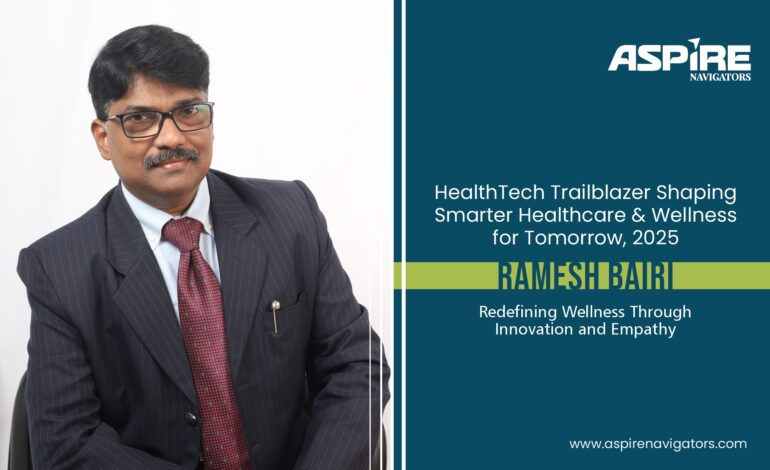
Ramesh Bairi: Redefining Wellness Through Innovation and Empathy

Every career has a defining thread, and for Ramesh Bairi, Managing Director of ROTAI Group LLC, that thread has always been innovation with purpose. From the early days of his journey, Ramesh was never fascinated by technology for technology’s sake. Instead, he envisioned a world where innovation could be seamlessly woven into daily life transforming health and wellness from an occasional choice into an everyday habit.

That vision eventually led him to wellness technology, a space where the impact of innovation is immediate and personal. “Wellness isn’t just about treating illness,” he often reflects, “it’s about creating a proactive, empowered state of being.” This philosophy shaped his approach to building transformative products and tools designed not only to support healthier lifestyles but also to redefine how people perceive their own well-being.

Yet, Ramesh’s journey is not just about technology; it is equally about people. Over the years, he learned that empowering others does more than unlock stronger business results; it creates a workplace where purpose thrives. For him, leadership has never been about commanding authority or offering ready-made answers. Instead, it has been about asking thoughtful questions, listening deeply, and giving people the space to shine.

Interestingly, some of his strongest inspirations have come not from celebrated figures, but from the quiet leaders who work in the background those who embody integrity, empathy, and service. “The unsung heroes,” he says, “remind us that true leadership is about service, not status.” These lessons have left an indelible mark on his style of leading grounded, collaborative, and human-centered.

Today, at the helm of ROTAI, Ramesh carries forward this philosophy with unwavering commitment. His work in wellness technology is not only reshaping the industry but also challenging the way society views health and lifestyle. By marrying innovation with compassion, he continues to craft solutions that are both transformative and profoundly human technology designed to enrich life, not complicate it.

For Ramesh, the journey of innovation is never about the spotlight; it is about creating impact that lasts well beyond it.

From Consumer Electronics to Wellness Innovation

For Ramesh, the move into wellness technology was not a sudden leap but a natural evolution built on more than three decades of global experience in business development, consumer electronics, and domestic appliances. The common thread across his career has always been clear: innovation with purpose, directed toward enhancing the quality of life.

Early in his career, Ramesh witnessed the transformative power of consumer-focused innovation. Those experiences instilled in him a deep sense of responsibility and understanding that products are not just commodities, but tools that can enrich and elevate everyday living. Guided by this belief, he navigated his career through strategic transitions, each move sharpening his vision of purposeful innovation. That vision eventually crystallized in the field of wellness technology, where he saw the potential to create products that not only improve lifestyles but also reshape how people define health not simply as the absence of illness, but as a proactive and empowered state of being.

What drives him today is the opportunity to merge advanced technology with compassionate care. For Ramesh, innovation has never been about invention for its own sake. It is about creating real impact by embedding empathy into digital intelligence anticipating needs that customers themselves may not yet recognize. His years of building, nurturing, and scaling brands in intensely competitive markets taught him a crucial lesson: sustainable innovation can only thrive when customer intimacy is fused with technical excellence.

At ROTAI Group, this philosophy comes to life through a multifaceted approach to innovation:

  • Smart Product Development: Devices designed with advanced sensors and cloud connectivity, including AI-driven massage chairs that use body scanning to deliver personalized therapy.
  • Personalized Digital Services: Mobile applications that track wellness patterns, recommend tailored routines, and offer real-time feedback.
  • Customer Engagement: AI-powered chatbots that provide ongoing support aligned with individual health goals.
  • Continuous Learning: A recognition that digital transformation is a journey, not a destination one that blends technological advancement with the warmth of human-centric leadership.

Through this integrated approach, Ramesh has positioned ROTAI Group at the forefront of wellness innovation, creating solutions that are not only technologically advanced but also profoundly human. His story is a testament to the belief that innovation, when guided by empathy and purpose, has the power to truly transform lives.

Blending Purposeful Innovation with Strategic Foresight

Ramesh is steering the company with a clear focus: sustained innovation, customer-centric product delivery, and global market expansion. His vision goes beyond traditional business growth; it is about pioneering AI-powered wellness solutions that redefine how technology can enhance everyday life.

Under his leadership, ROTAI is leveraging artificial intelligence to anticipate user needs before they are even expressed, delivering wellness and massage plans that elevate customer experiences while ensuring long-term loyalty. For Ramesh, future readiness is not just about adopting cutting-edge technology, but about fostering a culture of continuous innovation across all teams. A central pillar of this vision is nurturing talent, encouraging creativity, and embedding ethical responsibility into every stage of product development. “Innovation must remain socially responsible,” he often emphasizes, ensuring that ROTAI’s breakthroughs are not only advanced but beneficial to society at large.

Collaboration plays a crucial role in this ecosystem. By bringing together engineers and wellness experts, Ramesh ensures that every product is both scientifically sound and practically effective. This interdisciplinary synergy has become the cornerstone of ROTAI’s disruptive innovation where ideas are tested not only for technical brilliance but for their ability to make a meaningful difference in people’s lives.

But leading a global company also means navigating markets that are as challenging as they are dynamic. In regions like MENA, Ramesh has faced hurdles ranging from cultural nuances to regulatory complexities and sudden market fluctuations. His approach has been rooted in adaptive strategic planning backed by deep market intelligence. By investing in robust analytics, cultivating strong local partnerships, and building trusted cross-cultural teams, ROTAI has been able to transform challenges into profitable opportunities.

One such moment came when regulatory shifts disrupted their market entry strategy. Instead of retreating, Ramesh and his team pivoted quickly, adjusting execution plans to protect both investments and market share. It was a masterclass in agile leadership turning potential setbacks into steppingstones for growth.

To stay ahead in unpredictable environments, ROTAI has also developed early-warning systems powered by regional data analytics. These tools allow the company to spot emerging trends in consumer behavior and policy, ensuring foresight and adaptability remain its competitive advantages.

For Ramesh, success lies not just in building a strong company, but in creating an organization that thrives on adaptability, foresight, and human-centered innovation. Through his leadership, ROTAI Group is not only shaping the future of wellness technology but also setting a new benchmark for how global businesses can grow responsibly, intelligently, and with purpose.

People-Centered Leadership

Ramesh has marked his career with transformative milestones growing revenue from $6 million to over $100 million, securing exclusive global brand rights in the MENA region, leading e-commerce transformations, winning awards for retail excellence, and driving ERP implementations that optimized business efficiency.

Guided by the principle “Empower teams, enrich lives,” he believes leadership is rooted in empathy, collaboration, and customer-centricity. For Ramesh, true leadership is not about having all the answers but about asking the right questions, listening deeply, and enabling others to thrive creating workplaces where innovation, purpose, and performance go hand in hand.

Inspired Leadership, Transformative Vision

For Ramesh, inspiration has always been drawn from both global icons and everyday heroes. He admires transformative figures like Steve Jobs, whose visionary leadership reshaped industries, and Elon Musk, whose bold pursuits continue to redefine innovation. Yet, closer to home, it is his family that provides constant motivation, reminding him of the human impact behind every business decision. Equally, colleagues and team members who demonstrate resilience, creativity, and dedication have profoundly shaped his leadership style. Ramesh also finds deep respect for those who remain quietly impactful leaders of integrity and empathy who may not seek the spotlight but exemplify that true leadership is about service, not status.

Looking ahead, Ramesh sees the future of wellness technology in personalized, data-driven solutions. With advancements in AI, wearable devices, and telehealth, he envisions a world where wellness is not occasional, but seamlessly integrated into daily life accessible, proactive, and holistic. At ROTAI, his strategy focuses on creating interconnected wellness ecosystems where devices, applications, and wearables work together to deliver tailored experiences that support healthier living.

To achieve this, Ramesh emphasizes collaboration with healthcare professionals,  regulators, and academic partners to ensure every innovation is scientifically grounded, socially responsible, and genuinely transformative. His vision is bold yet practical: to make wellness technology an everyday habit, redefining health as an empowered state of being rather than simply the absence of illness.

Under his leadership, ROTAI is not just building products, it is building the future of wellness.

A Mission Beyond Markets

When asked what advice he would give to the next generation of leaders, Ramesh keeps it simple yet powerful: prioritize innovation, embrace agility, and remain relentlessly customer focused. For him, success in a fast-evolving field like wellness technology demands curiosity, continuous learning, and a genuine passion for improving lives. He believes that the most impactful solutions come from deeply understanding customers’ needs and proactively addressing them.

Ramesh also emphasizes resilience as a cornerstone of leadership. In an industry defined by rapid change, he views setbacks not as failures but as catalysts for growth. “Each challenge is a setup for progress,” he reflects. “Learn fast, adapt faster, and never lose sight of your mission.” Building strong networks, nurturing meaningful relationships, and staying true to one’s values, he says, are essential to enduring success.

At ROTAI, this philosophy aligns seamlessly with the company’s global mission: to democratize access to scientifically backed wellness solutions. Ramesh and his team are not only bridging wellness gaps through technology but also investing in education and strategic partnerships. Their vision extends far beyond selling products; it is about cultivating a global community committed to healthier, scientifically informed living.

This mission includes collaborating with healthcare professionals, academic institutions, and policymakers to integrate wellness more deeply into public health initiatives. ROTAI is also exploring partnerships with governments and NGOs to extend wellness access to underserved communities. For Ramesh, true impact lies not just in market expansion but in shaping a healthier, more equitable world.

His words often serve as guiding principles for both his team and the broader industry:

  • “Innovation is not just about technology; it’s about improving lives.”
  • “Leadership is about empowering others to become leaders themselves.”
  • “The future of wellness is personalized, proactive, and universally accessible.”
  • “Success is building a legacy by transforming lives, not just markets.”
  • “The future belongs to leaders who blend technological acumen with deep human empathy.”

In both philosophy and practice, Ramesh exemplifies the balance between visionary innovation and human-centered leadership proving that when technology and empathy come together, the result is not just progress, but transformation.

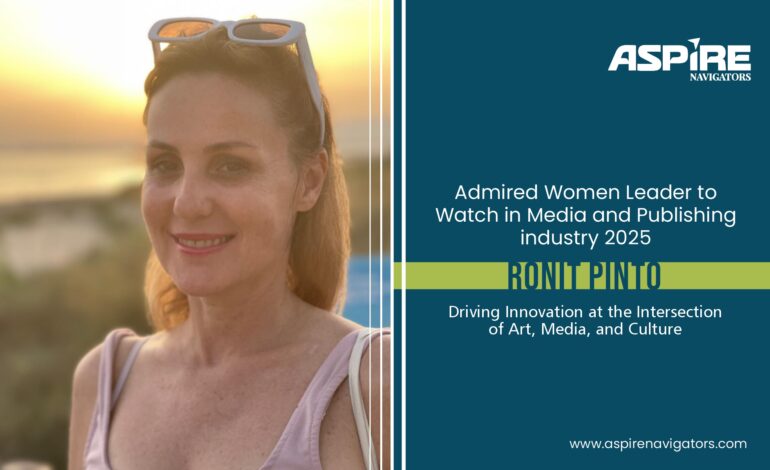
Ronit Pinto: Driving Innovation at the Intersection of Art, Media, and Culture

In a world full of noise and endless opinions, there is a rare power in knowing when to speak and more importantly, when to stay silent. A visionary who understands that sometimes the strongest statement comes from restraint, Ronit Pinto has mastered the art of letting her work and impact speak for itself. Driven by a deep belief that shaping the story is the key to shaping the system, she builds platforms where vision is loud, yet wisdom chooses its moments carefully.

At the heart of her journey is the conviction that beauty transcends the superficial; it is emotional, intellectual, and imaginative. Leading Honeysuckle, she transforms events into strategic extensions of storytelling, creating spaces that elevate brands, spark cultural dialogue, and deliver unforgettable experiences. In every challenge she faces, Ronit holds fast to her mantra: “Start before you’re ready. Stay consistent.” It’s a quiet but powerful reminder that success often belongs to those who know when to listen and when to make their voice count, profoundly and purposefully.

Redefining Independent Media Through Bold Storytelling

Ronit never aimed to follow rules she set out to build a new world. As the founder and publisher of Honeysuckle Media, Pinto transformed what was once a niche magazine into a globally recognized platform known for its boundary-pushing storytelling, immersive campaigns, and bold editorial vision. With accolades such as Clio Awards, honors from New York State, Times Square billboard takeovers, and high-profile cultural collaborations, she is not only redefining independent media but also reimagining its emotional and intellectual impact.

Her career began in the art world and film production fields driven by visual storytelling, symbolism, and mood. This early exposure sparked a fascination with how aesthetic experiences can communicate deeply. It taught her to sense, interpret, and craft narratives that resonate on a profound level.

Driven by a desire to write, question, and go beyond the surface, Ronit founded Honeysuckle with a vision: to create a space where beauty, intellect, and freedom of expression coexist. A place where bold ideas and lyrical storytelling converge meaningfully. This founding spirit continues to inspire every aspect of Honeysuckle’s work.

Strategic Approach to Journalism

Impactful journalism, according to Ronit, begins with curiosity and culminates in resonance. At Honeysuckle, the focus goes beyond simply informing it seeks to evoke genuine emotion and connection. The platform approaches every story with intention and emotional depth, drawn to narratives that explore transformation, creative rebellion, and cultural shifts.

Whether covering topics as varied as psychedelic science, identity, or international policy, Honeysuckle’s stories blend soul with structure. They are immersive, thoughtful, and designed to endure qualities that give them lasting significance.

Remaining closely attuned to culture both on the ground, online, and globally Honeysuckle operates as a living ecosystem. Its strength lies in adaptability, functioning across print, digital, out-of-home, experiential, and multimedia formats. This multi-channel approach enables connections with diverse audiences through a variety of touchpoints, all while delivering measurable ROI.

What sustains Honeysuckle’s relevance is unwavering clarity of voice and purpose. Every story, visual, and campaign is imbued with originality and deliberate intent. The organization evolves by creating from the inside out, not the outside in.

Creating Lasting Impact

Ronit describes her experience placing cannabis and hemp brands in Times Square as both challenging and exhilarating. Recognizing Times Square as one of the world’s most iconic media stages, this achievement marked a significant breakthrough not only visually but culturally. Through high design and compelling narrative, Ronit and her team brought these industries into a fresh light, shifting public perception. The process underscored the importance of strategy and unwavering trust in one’s vision. By remaining focused, creative, and patient, they overcame regulatory hurdles and industry skepticism, demonstrating that shaping the story can ultimately reshape the system.

She is particularly proud of Honeysuckle’s work supporting compassionate release. When a cover story contributed to the release of an incarcerated man, it reaffirmed her belief in the transformative power of journalism. For Ronit, carefully crafted words, visuals, and timing have the ability to move institutions and free lives, a mission further reflected in their criminal justice work alongside advocate Matthew Baker.

Other memorable highlights include collaborations with cultural icons like Ice-T, Mike Tyson, and Wiz Khalifa, artists who embody transformation and originality. Above all, the heartfelt letters from readers who share that Honeysuckle’s stories made them feel seen or inspired represent the legacy Ronit values most.

Vision of Fearless Creation and Singular Inspiration

Ronit champions a mantra of fearless creation, full expression, and leading with beauty. For her, beauty transcends the superficial; it encompasses emotional, intellectual, and imaginative dimensions. She believes that leading with beauty and clarity creates resonance and strives for Honeysuckle to serve as a portal into other worlds, into possibility, and into deeper truth.

She is drawn to artists and thinkers who defy boundaries and forge their own rules, including Claire Denis, Steven Klein, Martin Scorsese, Kate Moss, and Wong Kar-wai creators whose work is sensory-rich, layered, and unapologetically singular. Equally inspiring to Ronit are those in her personal life who create with purpose writers, entrepreneurs, and artists, particularly those who build from scratch. She admires these alchemists who transform nothing into something extraordinary.

Building Cultural Capital with Authenticity and Vision

At Honeysuckle, events serve as a strategic extension of the storytelling platform designed to elevate brands, foster cultural dialogue, and create unforgettable experiences. Under Ronit’s leadership, the company specializes in curating high-impact activities that blend art, media, and community. Honeysuckle has collaborated with cultural icons such as Jim Jones and Mellow Rackz, producing standout moments at renowned New York venues including Sweet Chick and Norwood.

From product launches and live panels to full-scale brand takeovers, Honeysuckle’s events function as immersive narrative environments, bringing clients, artists, and audiences together in real time. Each production is crafted with clear intention, aligning creative vision with brand goals to generate lasting resonance and tangible engagement.

Beyond events, Honeysuckle offers comprehensive creative studio services including writing, content strategy, production, brand development, and media placement. For clients and investors, the platform delivers a rare combination of cultural capital with measurable ROI, driving discovery, authority, and access.

Operating globally with presences in New York, LA, Amsterdam, Berlin, Tel Aviv, and Bangkok, Honeysuckle remains in constant dialogue with today’s cultural innovators. Its guiding strategy is simple: stay present, stay creative, and build with intention.

Ronit champions the philosophy: “Let your vision be loud. Start before you’re ready. Stay consistent.” She believes in building what one needs to see in the world and persevering even when it’s difficult. For Ronit, relationships and authenticity are paramount, and the key to creating something magnetic lies in starting from truth.

Fearless Storytelling and Visionary Leadership

Ronit advocates for leading with depth and writing with purpose believing that meaningful storytelling matters because it has the power to transform. She encourages asking better questions, learning how to listen, and fearlessly exploring one’s own voice, recognizing this as the source of true power. For Ronit, storytelling transcends communication; it is a catalyst for opening new doors for others and oneself.

She embodies this ethos through guiding principles such as: “Create fearlessly. Express fully. Always lead with beauty.” Under her leadership, Honeysuckle builds immersive ecosystems where culture is understood as a living, evolving organism. The platform moves with motion, momentum, and cultural relevance, offering a front-row seat to what’s next. Her rallying call remains clear: “Let your vision be loud. Start before you’re ready. Stay consistent.”

AI-Driven Drug Discovery Accelerates Amid FDA’s Push for Alternatives to Animal Testing

Key Takeaways

  • FDA is encouraging alternatives to animal testing, opening the door for rapid adoption of AI in drug research.
  • AI platforms enable faster, cheaper, and more precise drug discovery compared to traditional methods.
  • Major pharmaceutical companies are investing heavily in AI collaborations.
  • Ethical benefits of reduced animal testing resonate with public demand and global policy shifts.

The pharmaceutical industry is experiencing a transformative moment as AI-driven drug discovery gains momentum. With the U.S. Food and Drug Administration (FDA) advocating for reduced reliance on animal testing, artificial intelligence is becoming a cornerstone in shaping the next era of drug development.

FDA’s Changing Approach

For decades, animal testing has been a regulatory requirement before clinical trials. However, recent legislation and FDA guidance highlight a significant shift. The agency is now encouraging the use of AI models, organ-on-a-chip technology, and advanced computational tools to accelerate drug approval pathways while minimizing ethical concerns tied to animal research.

Boost in AI-Driven Innovation

Biotech startups and pharmaceutical giants alike are increasing investments in AI platforms that can identify new compounds, predict toxicity, and streamline clinical research. These systems can analyze billions of data points within days, a process that traditionally took years. This acceleration not only saves time but also reduces costs, allowing companies to bring treatments to market faster.

Industry Adoption on the Rise

Major players, including Pfizer, AstraZeneca, and Novartis, are exploring partnerships with AI firms to expand their drug pipelines. At the same time, emerging biotech companies are leveraging AI to target rare diseases and niche therapies, areas that often lack sufficient funding due to high costs and limited patient populations.

Ethical and Regulatory Benefits

The rise of AI-driven drug discovery aligns with growing public demand for more humane testing methods. By reducing dependence on animal experiments, the industry addresses long-standing ethical debates. Regulators also see AI as a way to improve accuracy, since computational predictions can often highlight human-specific reactions that animal studies fail to capture.

Challenges and Future Outlook

Despite its promise, AI-driven approaches face challenges. Data quality, regulatory validation, and integration with existing R&D frameworks remain hurdles. However, experts believe that with consistent FDA support and industry investment, AI will become a mainstay in global drug development pipelines.

A New Era for Medicine

The convergence of AI-driven drug discovery and regulatory reform signals a new chapter for the pharmaceutical industry. As technology continues to advance, the possibility of safer, faster, and more ethical medical innovations is closer than ever.

Here are some relevant news

Richard Larson: A Life Devoted to Learning and Sharing

In the quiet moments of reflection that follow a full life, Richard Larson often thinks back to a lecture hall at MIT where, decades ago, he once stood frozen, unable to explain an equation he had just written on the board. The silence in that room was not just awkward it was a jolt, a collision between self-expectation and public vulnerability. For a young academic, it could have been a crack in confidence, the kind that leaves lasting scars. But Richard didn’t let it define him. Instead, he returned the next day more prepared, more grounded, and more determined to grow.

That moment like many others throughout his life became proof that time does not erase mistakes, but it can soften their sting and transform them into lessons.

Time has always been a quiet teacher in Richard’s story. It healed the sting of self-doubt when he first questioned whether he was worthy of becoming a professor at the very institution that had shaped him. It soothed the heartache of losing his life partner, Liz, with whom he built a legacy of educational equity and global impact. Time gave him space to grieve, but also to continue carrying forward their shared vision through initiatives like MIT BLOSSOMS and his writing on model-based thinking.

Through every challenge, from academic uncertainty to personal loss, Richard came to believe something both simple and profound: time, paired with purpose, has the power to heal everything. Not by erasing pain or struggle, but by reframing it turning moments of fracture into foundations for empathy, growth, and renewed clarity.

Today, Richard stands not only as a scholar and innovator but as someone who understands that progress intellectual and emotional alike requires patience. His life is a testament to what becomes possible when one lets time do its work, never ceasing to learn, reflect, and hope.

Foundations of Curiosity and Discipline

Born and raised in Needham, Massachusetts, Richard’s journey into academia began with humble roots and an ambitious mind. Accepted into MIT at just 18, he arrived on campus with a commitment to frugality, commuting at first to reduce tuition costs a choice encouraged by his father. Yet it was his decision to join the Phi Beta Epsilon fraternity that changed everything. There, surrounded by a community of brilliant, driven peers, he found a second home one that would nurture his academic passions and support his early transformation from student to scholar.

Richard thrived in MIT’s intellectually charged environment. His undergraduate years, rich in challenge and inspiration, set the stage for graduate studies in operations research. As he delved deeper into the mechanics of systems and the elegance of mathematical models, his fascination with problem-solving became more than a passion it became his purpose.

The Path to Thought Leadership

The transition from student to professor was not without hesitation. Offered a faculty position by his advisor, Professor Alvin W. Drake, Richard initially doubted whether he belonged in such a prestigious role. Jokingly referring to it as the “Groucho Marx syndrome,” he wondered whether he was qualified to join a faculty that had once seemed larger than life. Yet this moment of self-doubt sparked a defining chapter in his career.

One of his earliest professional challenges came as a Teaching Assistant. Faced with a student question he couldn’t adequately answer, Richard was struck by a deep sense of responsibility and vulnerability. Rather than retreating, he made a lifelong commitment to rigorous preparation, clarity, and empathy in teaching. This moment became a cornerstone of his identity as an educator, researcher, and communicator.

A Career Built on Curiosity, Community, and Impact

Over decades at MIT, Richard rose to prominence not just for his academic brilliance, but for his genuine dedication to mentorship and educational access. He guided numerous doctoral candidates, authored influential research in operations research and public systems, and consistently sought to bring academic theory into real-world application. His impact extended to emergency response modeling, queueing systems, and large-scale operations planning fields where his work continues to shape practice and policy.

Among his proudest achievements was co-founding the MIT BLOSSOMS initiative, a global video-based learning program designed to bring high-quality STEM education to underserved students. Together with his late wife and collaborator, Mary Elizabeth “Liz” Murray, Richard turned this project into a global force for educational equity. Their shared mission was simple yet ambitious: to make learning accessible, engaging, and empowering for students around the world.

Further cementing his legacy, Richard endowed the Richard Larson Chair in MIT’s Institute for Data, Systems, and Society—a gift that supports future faculty and continues his lifelong pursuit of meaningful inquiry and innovation

Advocate for Model-Based Thinking

In recent years, Richard has become a vocal advocate for Model-Based Thinking, a framework he believes holds the key to better decision-making in everyday life. Through his book MODEL THINKING For Everyday Life, public speaking, and community outreach, he shares how structured, analytical thinking can help people from all walks of life navigate complexity—whether managing household budgets or understanding public policy.

His approach bridges the gap between academic modeling and practical application. Richard argues that while not everyone needs to become a scientist, everyone can benefit from thinking like one. His goal is to make modeling tools accessible and intuitive, equipping individuals to make smarter, more informed choices in a rapidly evolving world.

Guidance for Future Leaders and Educators

Richard’s journey offers invaluable lessons to today’s and tomorrow’s leaders:

  • Prioritize preparation and humility: Even the most knowledgeable experts must remain learners. The key to strong leadership is not infallibility, but the willingness to admit gaps and work tirelessly to improve.
  • Mentorship multiplies impact: For Richard, the greatest professional rewards have come not from accolades but from seeing his students thrive. Investing in others is not just noble it’s transformative.
  • Bring models to life: Theory is important, but practical application is vital. Leaders who can translate ideas into action and teach others to do the same create lasting change.
  • Value community and collaboration: Whether at a fraternity house, a research lab, or a global classroom, Richard’s life demonstrates that community is the engine of innovation. Nurturing relationships with empathy and respect is essential for sustained impact.
  • Democratize knowledge: Education is not a privilege for the few it’s a right for all. Richard’s work is a call to action for leaders to build systems that are inclusive, equitable, and grounded in shared purpose.

Legacy and Ongoing Curiosity

Though formally retired, Richard remains intellectually active. He closely follows developments in Artificial Intelligence, analyzing its potential to enhance learning and its risks to academic integrity. Ever the optimist and realist, he calls on educators to integrate technology with intention, ensuring it deepens rather than dilutes the learning experience.

At the heart of his ongoing mission is a singular belief: learning is for everyone, at every stage of life. Whether through a lecture, a video lesson, or a quiet moment of reflection, each opportunity to learn is also a chance to lead.

Richard Larson’s story is a powerful reminder that knowledge, when pursued with passion and shared with integrity, has the power to reshape lives, communities, and entire systems.