Revolutionizing 5G: Nokia and AWS’s AI Automation Pilot


The partnership between Amazon Web Services and Nokia represents a significant change in the automation, optimization, and scalability of next-generation 5G networks. Their new AI Automation Pilot, which combines cloud innovation, telecom intelligence, and robotic-like automation to create better 5G infrastructure, is more than just a technological experiment.
“Nokia to revolutionize mobile networks with cloud RAN and AI powered by NVIDIA” is the initiative’s stated goal, which is in line with the industry’s quick transition to completely automated, cloud-based network architecture. The relationship is relevant, potent, and strategically positioned since it reflects broader market themes like “revolutionizing America’s cloud computing and the pivotal role of ai in driving innovation and security.”
A New Era of Automation and 5G Intelligence
Three essential elements influencing future telecom are integrated in the Nokia-AWS pilot:
- Radio Access Network, or Cloud RAN
- Operational automation using generative AI models
- Utilizing Nokia’s automation suite for data-driven orchestration
The growing need for autonomous, robotics-inspired systems in telecom operations—systems that can learn, adapt, and improve without human intervention—is reflected in this change.
The “revolution nokia” moment—a transition from hardware-centric networks to AI-driven cloud-native ecosystems—is outlined in Nokia’s long-term strategy.
Why This Is Important for Automation and Robotics
The project embodies the same ideas that underpin advanced robotics, despite its focus on 5G:
- Self-governing decision-making
- Operations that are predictive
- Coordination between machines
- AI generative support for intricate industrial processes
These features complement the “nokia gen ai” and “nokia 5g ai” frameworks, which are part of Nokia’s larger roadmap.
Additionally, Nokia’s growing GenAI ecosystem, which includes its flagship launch—”Nokia launches ava data suite to run on Google cloud to facilitate ai ml development”—is included into the trial.
With the help of this package, businesses can perform real-time analytics and train machine learning models, improving the accuracy and scalability of automated 5G operations.
How the AWS Cloud Pilot Operates
AWS’s cloud infrastructure is used by the automation pilot to:
- Functions of a host virtualized network
- Use AI bots to automate tasks
- Optimize your workload
- Make real-time analysis possible with cloud-native tools
This partnership enables “revolutionizing automation” in network management by combining Nokia’s telecom intelligence with AWS’s enormous processing capacity.
The project intends to develop a self-maintaining, self-healing 5G network, akin to autonomous robotics systems that can function without human oversight, with AWS managing cloud orchestration and Nokia providing extensive telecom experience.
Nokia’s vision is centered on generative AI.
A key component of this experiment is Nokia’s investments in “generative ai nokia.” Their AI models are useful because
- Forecast spikes in traffic
- Make the most of radio resources
- Identify irregularities
- Make recommendations automatically
These features also enable “Nokia unveils ai assistant for industrial workers,” which provides real-time diagnostics, voice-guided troubleshooting, and intelligent notifications to frontline staff.
Nokia paves the way for telecom networks that act like intelligent robots—constantly learning, improving, and optimizing—by integrating these GenAI technologies into 5G environments.
Effects on Cloud Ecosystems, Cities, and Industries
The partnership promises revolutionary advantages for:
Intelligent Production
Robotics and remote machine control depend on ultra-low latency procedures, which automation makes possible.
Intelligent Cities
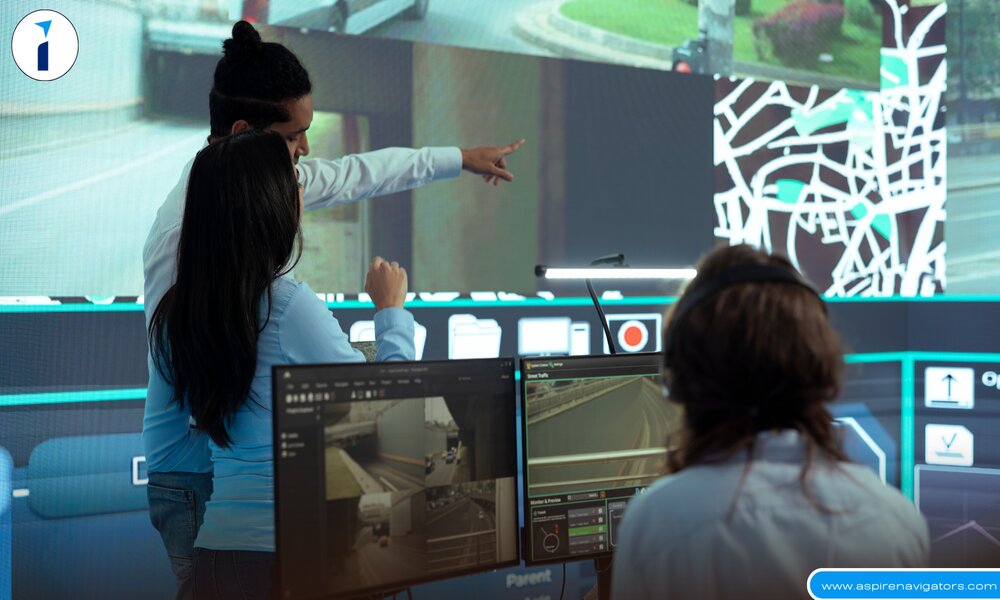
AI-powered networks improve emergency communication, connected public infrastructure, traffic control, and surveillance.
Cloud Service Providers
The pilot enhances hybrid models, which combine cloud and telecom to create an integrated computing and connectivity ecosystem.
Businesses
Businesses gain from increased operational efficiency and reduced maintenance costs when AI-driven reliability and predictable performance are present.