U.S. Warns Peru: The Risks of a Chinese Port Investment

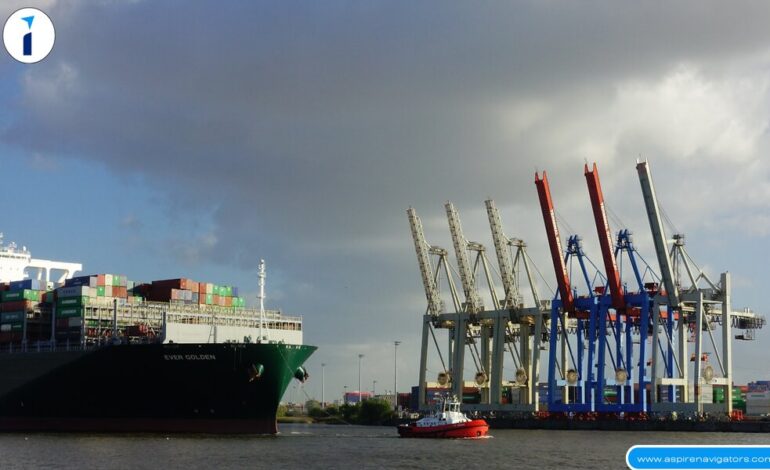
The Chancay Port project in Peru, a multibillion-dollar undertaking headed by a Chinese state-affiliated corporation, has drawn particular attention from the United States, which has expressed new concerns about China’s expanding influence in South America. Questions regarding why the United States is concerned about China’s problematic US $3.6 billion port project in Peru and how this development could change influence in the region are becoming more pressing on a global scale as Washington warns Lima of the geopolitical and economic ramifications.
Large-scale infrastructure projects under strict foreign supervision, according to the United States, might restrict Peru’s sovereignty, alter regional trade patterns, and heighten tensions in the already precarious competitive environment between the United States and China.
A Strategic Footprint of China’s Ambitious Chancay Port Project
One of South America’s most significant commerce routes to Asia is expected to be Peru’s Chancay Port. With strong Chinese support, the port’s construction promises improved logistics, quicker cargo routes across the Pacific, and deeper shipping channels. These benefits do, however, come with growing controversy, with many people doubting if China’s port in Peru serves the country’s long-term interests.
International analysts claim that internal conflicts have already arisen in the project. Tensions pertaining to environmental effect, economic control, and regulatory compliance are highlighted by headlines such as “Peru port conflict escalates as Chinese firm insists on original terms.”
Why China’s Growing Power Concerns the U.S.
Washington thinks China might have a stronger operational presence in Latin America as a result of the port’s advantageous position. “US raises concern with Peru over Chinese control of infrastructure,” according to U.S. officials on multiple occasions, highlighting the dangers associated with:
National security: The port’s size may allow for data access, logistics, or commercial supervision that affects local government.
Economic leverage: Peru’s trade, debt, and foreign policy decisions may be impacted by China’s long-term investment.
Shift in regional influence: The United States is concerned about Beijing’s increasing sway over the Western Hemisphere.
Global tensions over US-China danger and their rivalry for resources, supply chains, and vital shipping lanes are linked to this circumstance.
Business Model Difficulties: A Stressed Port Project
Experts are wondering if the project can live up to its initial promise as work moves forward. Concerns about demand forecasts, cost overruns, and changing market dynamics are revealed by reports like “Chinese port in Peru faces surprise challenge to business model.”
Important concerns include:
- Community and environmental opposition
- Commercial rights negotiations
- Conflicts between the Chinese developer and Peruvian officials
- Future profitability is impacted by operational hazards.
A project that was first presented as a clean, successful venture has come under further scrutiny as a result of these reasons.
Infrastructure and Sovereignty: The Two Main U.S. Concerns
The sovereignty debate is at the center of the issue. Large, foreign-controlled infrastructure, according to critics, fosters long-term dependency and leaves domestic policies open to outside interference. Proponents of the investment think that in order to modernize logistics and strengthen its economy, Peru needs important partners.
“Peru’s Chancay Port project will bring controversies” sums up the conflicting feelings around the port:
- It is a chance for Peru to develop.
- It is a strategic challenge for the United States.
- It is a gateway to further influence for China.
- Peru Is Trapped in a World of Competition
Peru Caught in the Middle of Global Competition
Peru is sandwiched between two superpowers in the ongoing conflict. The United States continues to be a significant political and commercial ally in the region, even as China offers significant financial support and infrastructure expertise. Peru now has to strike a balance between geopolitical prudence and economic potential.
A pivotal moment in U.S.-Latin America relations, Washington’s warning—encapsulated in the title “why is the US uneasy about China’s troubled US $3.6 billion port project in Peru?”—indicates that infrastructure is now about more than just development; it’s about global power.
A Contentious Port with Worldwide Effects
The Chancay project will keep influencing conversations about regional leadership, national security, and foreign investment. The port represents changing international alliances and the intricate power struggle between China and the United States as Peru negotiates these difficulties.
Read more: Oklahoma Joins Forces with Turning Point USA to Empower Students