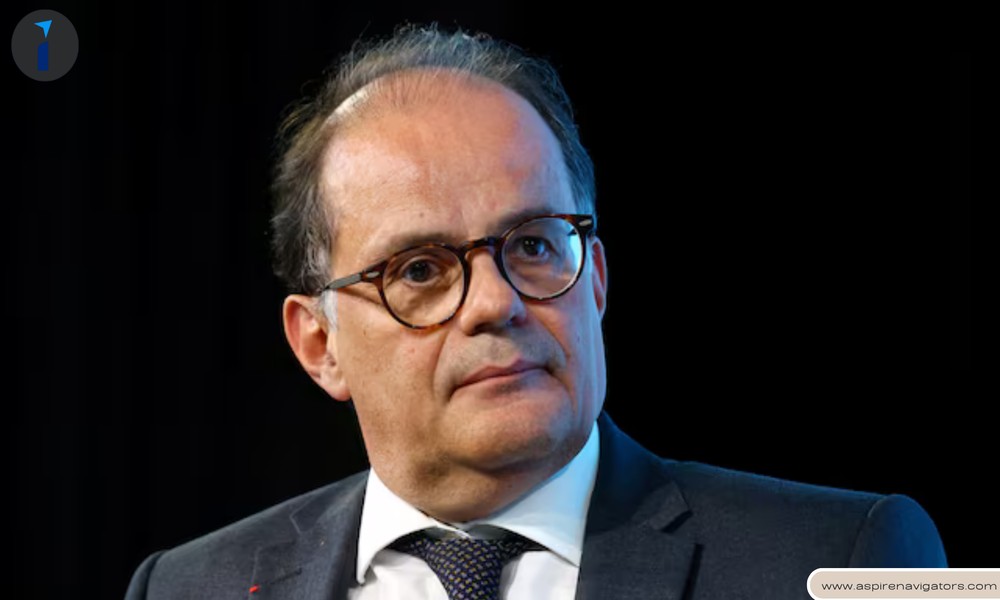
France is facing growing pressure over its public finances, with borrowing costs rising and concerns about the country’s debt position becoming more visible in financial markets. Bank of France Governor Emmanuel Moulin has warned that France should not expect the European Central Bank (ECB) to solve its fiscal problems if market pressure increases.
The comments come as France prepares its 2027 budget and faces difficult discussions over spending and deficit reduction. With political uncertainty also surrounding next year’s presidential election, controlling government debt has become an important economic issue.
Debt Crisis France Faces Growing Market Pressure
France’s borrowing costs have increased significantly. The yield on its 10-year government bonds reached 4.7%, the highest level since the global financial crisis in 2008, according to Reuters.
Higher borrowing costs matter because the French government must pay more to finance its existing debt and raise new funds. If interest expenses continue to rise, a larger share of government revenue could be used to service debt instead of supporting public programmes and investment.
Moulin said France is still able to access financial markets, but warned that increasing debt-servicing expenses could gradually put greater pressure on public finances.
ECB French Debt Support Has Clear Limits
One of the central issues in the debate is whether the ECB could step in if France faced serious difficulty financing its government debt.
Moulin said relying on such support would be the wrong approach. According to him, the responsibility for reducing the deficit rests primarily with France’s government and parliament.
The ECB does have emergency tools designed to respond to severe financial-market stress. However, these mechanisms are not intended to replace national efforts to put public finances on a sustainable path.
France Debt Crisis Explained: Why the Budget Matters
France’s next budget is expected to become a major focus as lawmakers debate measures aimed at reducing the deficit. The country’s minority government is preparing to present its 2027 budget proposal, setting the stage for potentially difficult negotiations in parliament.
The objective is to bring the deficit onto a declining path by finding savings and controlling government spending. The debate is particularly important because political divisions could make agreement on fiscal measures more difficult.
For investors, the ability of the government to demonstrate control over its finances can influence how much they demand to hold French government bonds.
Can France Avoid a Deeper Debt Problem?
The current situation does not mean France has lost access to financial markets. Moulin specifically noted that the government continues to be able to raise money through bond markets.
However, the combination of elevated borrowing costs, high debt and political uncertainty is putting greater attention on France’s fiscal position.
The comparison with the 2008 financial crisis also has limits. Moulin said France’s financial sector is currently well-capitalised, meaning the present situation is different from the banking stress experienced during that period.
What Happens Next for French Debt?
France’s ability to control its deficit will be closely watched as lawmakers consider the 2027 budget. The government’s decisions on spending and savings could influence investor confidence and future borrowing costs.
The wider Frankrijk euro crisis discussion also reflects concerns about how one of the euro zone’s largest economies manages its finances within the shared currency system. However, the current issue is primarily focused on France’s national budget and debt management rather than an established euro-zone crisis.
What Comes Next for France’s Economy
The debt crisis France is facing has placed greater attention on borrowing costs, government spending and deficit reduction. Bank of France Governor Emmanuel Moulin has made clear that national authorities must take responsibility for improving public finances rather than depending on the ECB.
As France moves toward its 2027 budget discussions and next year’s presidential election, the direction of its fiscal policy will remain important for investors, policymakers and the wider European economy.
Read our latest interview with SHEKINAIH SIEW SIN YAP