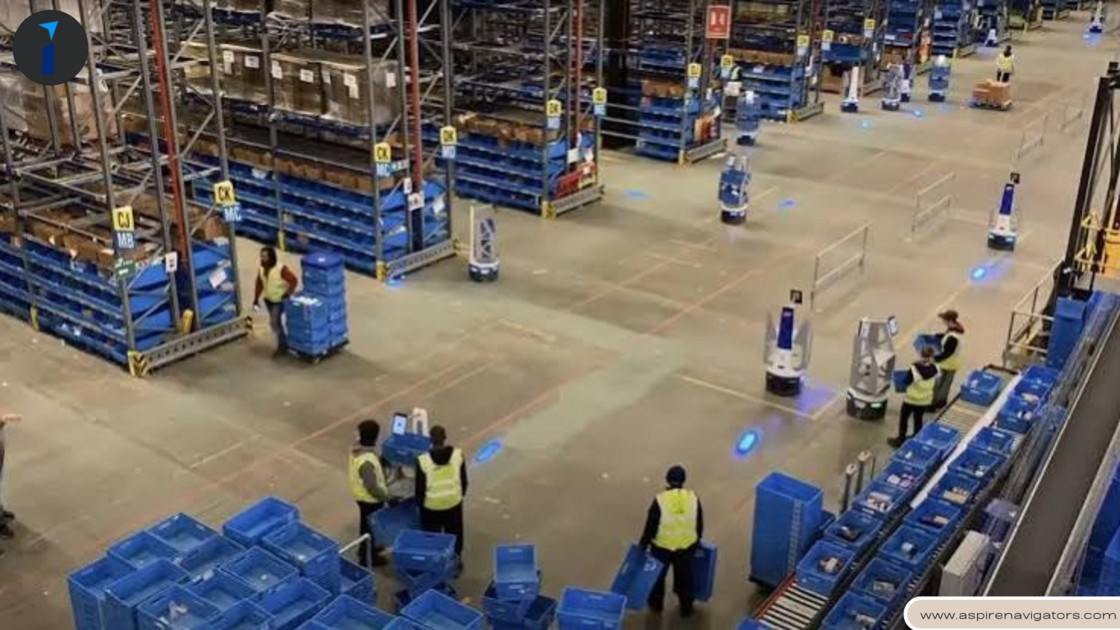
DHL Supply Chain is taking another step towards smarter warehouse operations by testing adaptive robotics and introducing artificial intelligence (AI) orchestration across its logistics network. Announced on November 9, 2026, the initiative aims to bring people, intelligent machines, and digital systems together to make warehouse activities more flexible and efficient.
The development is part of DHL’s Intelligent Supply Chain framework, which combines physical AI, digital AI, operational data, and human expertise. The company wants to move beyond traditional automation by creating connected warehouse environments where technology can respond to changing operational requirements.
According to DHL, more than 9,000 robots have already been deployed across its global network, while over 95% of its warehouses are equipped with advanced digitalisation solutions.
How Is DHL Using AI-Powered Robotics in Warehouses?
Traditional warehouse robots generally follow predefined routes and instructions to complete specific tasks. However, DHL is testing a new generation of adaptive AI-powered robots that can interpret their surroundings, respond to unexpected changes, and identify alternative ways to complete assigned tasks.
This approach could make warehouse automation more flexible, particularly in environments where order volumes, product movement, and operational requirements change throughout the day.
The company is also working to move adaptive robotics from pilot projects into wider operational use as the technology develops.
AI Orchestration Connects People, Robots and Systems
Another important part of DHL’s technology strategy is AI orchestration. Following a successful proof of concept, the company has started introducing this technology into live warehouse operations.
AI orchestration works as a digital control centre that connects employees, warehouse data, automated machinery, and robotics. It helps managers coordinate resources according to real-time operational requirements.
One workflow being tested connects autonomous mobile robots, packaging automation, and warehouse management systems. By using incoming order information, the system can adjust how people and machines are assigned to different activities.
This approach is designed to help warehouses respond more quickly to demand changes, improve productivity, and maintain operational flexibility.
DHL Expands Its Robotics and Digital AI Investments
DHL’s latest initiative builds on its existing investments in warehouse automation and digital technology.
The company has reported more than 1.5 billion robotic picks across its network and completed 10 million robotic case unloads using Boston Dynamics’ Stretch robot.
Its digital transformation progress also includes more than 1,400 deployments of advanced analytics and AI solutions, including over 500 deployments during 2026. Additionally, its conversational AI tools have recorded more than 2.5 million minutes of interactions.
These developments reflect the growing application of artificial intelligence in logistics 4.0, where connected systems, intelligent machines, and data-driven decisions support supply chain activities.
Why Human Workers Remain Important in Warehouse Automation
DHL’s strategy is not focused on replacing employees with machines. Instead, the company aims to create a working environment where people and technology contribute different strengths.
Robots can manage repetitive and physically demanding activities, while AI systems analyse information and support operational decisions. Employees continue to provide practical experience, problem-solving abilities, and judgment when unexpected situations arise.
Tim Tetzlaff, Global Head of Digital Transformation at DHL Supply Chain, has highlighted the importance of combining digital and physical AI with human capabilities to build more flexible and resilient supply chains.
The company is also targeting 50% revenue growth by 2030, making operational efficiency and technology investments important parts of its long-term business strategy.
Frequently Asked Questions
1. What is DHL testing in its warehouse operations?
DHL is testing adaptive AI-powered robotics and introducing AI orchestration to coordinate employees, robots, and warehouse systems.
2. How does AI orchestration help warehouse operations?
It connects operational data, employees, and automated equipment to help managers allocate resources and respond to changing order demand.
3. How many robots has DHL deployed?
DHL Supply Chain reports deploying more than 9,000 robots across its global logistics network.
4. Will AI-powered robotics replace warehouse employees?
DHL’s approach focuses on collaboration. Robots handle repetitive and physically demanding work, while employees contribute experience, judgment, and problem-solving skills.
5. How will AI influence the future of logistics?
AI can help improve warehouse planning, resource allocation, inventory movement, automation, and operational efficiency.
DHL Moves Towards More Intelligent Supply Chain Operations
DHL’s latest robotics and AI initiatives demonstrate how logistics companies are moving towards connected and intelligent warehouse environments. By combining adaptive robotics, digital AI, and human expertise, the company aims to improve how goods move through its global supply chain.
As these technologies develop, their ability to respond to changing demand and coordinate complex warehouse activities could become an important part of modern logistics. DHL’s approach highlights a broader industry shift towards smarter automation, where technology supports people in creating more efficient and flexible operations.
Read our latest interview with SHEKINAIH SIEW SIN YAP