Feature Now Aspire Higher, Dream Bigger — Experience Exclusive Offers Like Never Before in the New Edition of Aspire Navigators!

Hard Rock Heals Donates $400,000 for Hurricane Relief

The Hard Rock Heals Foundation has donated $400,000 to aid communities in recovering from Hurricane Melissa’s damage in a stirring act of kindness and international community support. This contribution demonstrates how hospitality-driven companies may play a crucial part in humanitarian relief operations, as searches for “Hard Rock Heals Foundation Inc.,” “hurricane relief donate,” and “hurricane relief fundraiser” increase. The donation, which will go toward Jamaica’s recovery efforts, is a significant step toward assisting families in rebuilding their homes, regaining stability following a tragedy, and regaining access to necessary services.

This act of kindness highlights the foundation’s goal of improving communities all over the world, demonstrating that hospitality goes far beyond visitor experiences and has a profoundly positive global influence.

A Historic Contribution to Assist Communities Affected by Hurricanes

Social responsibility and community well-being have long been priorities for the Hard Rock Heals Foundation. The company shows its dedication to helping disadvantaged people during their most trying times with the most recent $400,000 hurricane relief grant.

This contribution will support long-term rehabilitation initiatives, rebuilding initiatives, and emergency supplies in all impacted areas. The demand is still enormous, ranging from food and water to shelter supplies, medical kits, and communication gadgets, and many people are still looking for “hurricane relief donation items.”

This financial aid offers a lifeline to those who lost their homes, possessions, and means of subsistence overnight. In addition to providing short-term assistance, the money supports long-term reconstruction projects, enabling local infrastructure, schools, clinics, and community centers to be restored.

The International Reach and Humanitarian Impact of Hard Rock

The Hard Rock Heals Foundation is the core of the company’s charitable identity, even though the Hard Rock brand is best known for its hotels, cafés, and resorts all over the world.
Its primary goal is to use hospitality and music to enhance people’s lives.

The foundation is one of the most significant charitable extensions of any hospitality organization, supporting dozens of international projects annually, ranging from disaster relief to youth education. The growing interest in “hard rock heals foundation inc.” indicates how seriously the organization’s outreach is regarded by communities around the world.

The brand’s conviction that the hospitality sector has an obligation to uplift individuals outside of its commercial walls is reaffirmed by this most recent disaster relief initiative.

Why This Donation Is More Important Than Ever

Thousands of people were displaced by Hurricane Melissa, which also damaged vital infrastructure and interfered with access to electricity, clean water, and medical treatment. Corporate and charity funding is essential as communities strive toward recovery.

Such donations support the provision of:

  • Food and water in an emergency
  • Solutions for temporary shelter
  • First aid and medication kits
  • Essentials of sanitation
  • Materials for reconstruction
  • Programs for community rehabilitation

When people search for terms like “hurricane relief donate” or “hurricane relief fundraiser,” they frequently opt for reputable organizations that have a track record of effect and openness.
The Hard Rock Treats Foundation has consistently met that standard, making this initiative not only timely but essential.

The Growing Contribution of the Hospitality Sector to International Relief

Additionally, this donation is indicative of a larger change in the hospitality industry’s approach to global challenges. Prominent hotel and resort companies are increasingly using their global networks, staff, and resources to help during emergencies.

Hard Rock’s relief efforts serve as an example of how hospitality firms may be effective change agents by generating funds, increasing public awareness, and promoting long-term growth.

Hard Rock upholds the notion that hospitality is about solidarity as much as service by volunteering during a humanitarian crisis.

A Step Toward Rebuilding Hope

The Hard Rock Heals Foundation’s gift is a ray of hope as impacted families strive to return to normal.
After a catastrophe, rebuilding is a difficult process, but assistance from reputable groups speeds up rehabilitation and gives displaced populations their confidence back.

This $400,000 investment will have a long-lasting beneficial effect—long after the storm has passed—from providing necessities to repairing community infrastructure.

Read more: Protecting Your Business: Lessons from the Stryker Cyberattack

Protecting Your Business: Lessons from the Stryker Cyberattack

Businesses worldwide are being reminded of the vital significance of cybersecurity in the aftermath of the recent Stryker cyberattack. This event, which targeted one of the top medical technology businesses, has raised concerns about corporate system vulnerabilities, especially with regard to Microsoft tools. In order to stop such breaches, organizations are now assessing their own security procedures. Protecting sensitive data and preserving operational resilience require an understanding of what transpired during the Stryker incident and the actions businesses may take.

The Stryker Cyberattack’s Outcomes

According to the Stryker cyberattack specifics, Microsoft Intune, a popular enterprise management application, had vulnerabilities that were exploited. A federal agency in the United States has warned businesses to secure similar systems in response to the hack. Online forums have become a popular source of information for corporations, with discussions on sites like Reddit offering real-time updates and insights on the Stryker cyberattack.

To ascertain how the attackers obtained access and which vulnerabilities were exploited, analysts are looking into the cause of the Stryker cyberattack. Proactive cybersecurity measures are crucial because early reports indicate that the intrusion was caused by a mix of unpatched systems and lax access controls.

Business-Related Lessons

Businesses across a variety of industries can learn many important lessons from the Stryker incident:

Update and patch systems on a regular basis to lower the risk of exploitation. This is especially important for enterprise products like Microsoft Intune. Companies should update fixes quickly and do audits on a regular basis.

Boost Access Controls: You can stop unwanted access by putting multi-factor authentication into place and keeping an eye out for strange login activities.

Employees should receive training since cyberattacks frequently take advantage of human error. It is essential to train employees on secure data handling, password hygiene, and phishing.

Establish an Incident Response Plan: Businesses need to have a well-defined plan in place for handling security breaches, limiting harm, and resuming operations.

Questions like “Stryker cyberattack: what happened?” and “Stryker cyberattack: why?” reflect the curiosity and concern of businesses trying to understand the implications of the breach for their own operations. Learning from such incidents is vital for risk mitigation.

Microsoft Tools’ Part in the Attack

The incident raised awareness of Microsoft enterprise solutions’ security. Investigations have specifically focused on the Stryker cyberattack on Intune. Despite the widespread usage of Microsoft technologies for device management and security, cyberattacks can still affect any machine. To safeguard sensitive data, organizations must adopt multilayer security measures and adhere to best practices.

Businesses are kept informed about new developments, possible risks, and security authorities’ recommendations through updates on the situation, such as the Stryker cyberattack update and Stryker cyberattack today. These upgrades highlight how important it is to remain vigilant when it comes to digital security.

Why Companies Should Be Concerned

Businesses across all industries, including manufacturing and healthcare, rely significantly on digital infrastructure. The Stryker cyberattack serves as an example of how breaches can cause operations to be disrupted, sensitive data to be compromised, and reputations to be harmed. Businesses might find weaknesses in their own systems and take preemptive measures to protect their networks by examining the details of the Stryker cyberattack.

This incident serves as a reminder that cybersecurity is a business-critical obligation rather than merely a technological problem. Adopting a security culture, keeping up with new threats, and putting preventative measures in place make an organization more resilient to possible assaults.

Preparing for the Next Wave of Cybersecurity Challenges

All firms should take note of the Stryker cyberattack, which highlights the significance of protecting organizational systems and staying alert to changing cyberthreats. It takes constant investment in technology, staff training, and thorough incident response planning to keep your company safe. Organizations may fortify their defenses, lower risk, and guarantee operational continuity in an increasingly digital world by taking a cue from Stryker’s experience.

Read more: Stryker Cyber Attack: Insights into Iran-Linked Hacking

Supreme Court’s Impact on Migrant Rights: What to Expect

As the US Supreme Court is ready to consider a crucial case that could redefine the nation’s safeguards for migrants, a significant legal battle is about to take place. The lawsuit centers on whether legal protections for migrants from Haiti and Syria should be eliminated, and it is related to measures implemented by Donald Trump’s administration. Wide-ranging effects on immigration law and migrant rights are anticipated as a result.

Recognizing the Case and Its Context

The Temporary Protected Status (TPS) program, which permits immigrants from nations experiencing conflict, natural disasters, or instability to lawfully reside and work in the United States, is at the heart of the controversy. Syrians gained protection because of the ongoing turmoil in their nation, while Haitian refugees obtained it following the disastrous 2010 earthquake.

Claiming that conditions in these countries had improved, the Trump administration argued that these protections should be lifted. Lower courts, however, stopped the action, casting doubt on its validity and impartiality. The Supreme Court’s involvement now marks a pivotal point in deciding these protections’ future.

Supreme Court on Legal Authority and Migrant Rights

The case highlights the more general question of the extent of government control over immigration decisions. The rights and legal status of immigrants throughout the nation have historically been influenced by the Supreme Court’s ruling on migrant laborers and refugees.

In this case, the court will consider whether the executive branch can terminate safeguards on its own or if judicial review is required. The decision may set a standard for upcoming administrative procedures and immigration laws.

Discussing Rights: Should Immigrants Have More Rights?

A long-running discussion about whether immigrants should have additional rights has been rekindled by this case. Many people under TPS, according to proponents of migrant protections, have long resided in the United States and have made significant contributions to the country’s economy and society. Removing their legal status may cause problems for communities, workplaces, and families.

However, detractors contend that TPS should not develop into a long-term or permanent arrangement because it was intended to be a temporary solution. They stress the necessity of tighter immigration regulations and adherence to the program’s initial goals.

The Supreme Court’s ruling will probably have an impact on how this discussion develops in the years to come.

Implications for the World and Law

Despite having its roots in the US, this case has an international significance. Migration-related issues have also been handled by courts in a number of nations, including India. Discussions around the Supreme Court’s request that the center provide information on the influx of illegal migrants, for example, demonstrate how governments around the world are facing comparable difficulties.

The Supreme Court’s ruling on illegal immigration frequently serves as a focal point for striking a balance between humanitarian obligations and national security concerns. Legal frameworks must change to appropriately handle these issues as migration continues to increase globally.

What to anticipate from the Supreme Court’s ruling regarding refugees

There are several possible outcomes for the impending Supreme Court ruling on refugees and migrants:

Upholding Government Authority: This would let TPS to be terminated, putting thousands of migrants at risk of deportation.

Protecting Migrant Rights: The court may decide to uphold protections, placing a strong emphasis on humanitarian concerns and due process.

Finding a Middle Ground: The ruling may establish more stringent rules for discontinuing certain initiatives while maintaining judicial supervision.

The decision will influence immigration policy for years to come, regardless of the result.

Effects on Communities of Migrants

The stakes are quite high for migrants who are directly impacted by this case. Many have established stable families, jobs, and educational opportunities in the United States. Uncertainty and hardship could result from an abrupt shift in legal status.

The significance of a balanced approach—one that takes into account both legal frameworks and human impact—is emphasized by organizations that support migrant rights. Whether these communities may live in safety or risk being uprooted will depend on the court’s ruling.

Read more: America’s Tariff Strategy: Economic Insights on Payment Balance

How Will Diesel Price Surges Affect U.S. Businesses?

The US economy is being rocked by a recent surge in diesel prices, which raises serious concerns about how growing fuel prices may affect consumer prices, industry, transportation, and agriculture. Diesel is used extensively in many industries; therefore, these increases affect supply chains, inflation, and general corporate performance in addition to being a fuel issue. Experts are analyzing how fuel affects the economy, why diesel costs are rising again, and how long they will remain high as businesses review their budgets.

Diesel’s Place in the American Economy

Long-distance vehicles, construction equipment, agricultural machinery, and industrial processes are all powered by diesel, which is the foundation of freight transportation. Even a slight increase in diesel prices has observable knock-on consequences due to this strong integration.

What effect will a drop in diesel fuel prices have on the supply of long-haul truck transportation, logistics organizations wonder? However, with an increase, the converse occurs: as costs rise, transport capacity becomes more constrained.

Diesel is a key component of economic stability because rising diesel prices force companies to reevaluate fleet operations, delivery timetables, and customer pricing.

Why Diesel Prices Are Rising Again

The market is tightening for four main reasons, according to analysts:

limitations on global supply, especially due to outages in refinery

Increasing the cost of crude oil

Seasonal demand, since the supply of diesel and winter heating fuel overlap

Global petroleum markets are under pressure due to geopolitical concerns.

These circumstances make it more difficult to predict when diesel prices will drop and directly contribute to cycles of price surges.

Effects on Logistics and Trucking

The first industry to feel the strain is the trucking industry, which moves 70% of the freight in the United States. Businesses must decide whether to pass on or absorb the rising expense of fuel.

This leads to:

Increased costs for delivery and shipping

Diminished profit margins for small truck drivers

Fuel surcharge prices have increased.

Reduced accessibility to long-distance routes

From an economic perspective, this surge reshapes how the 2000s gas price increase affected the demand for automobiles, trucks, and SUVs; a similar pattern emerges where increased operating expenses change the preferences of businesses and consumers.

Impacts on Manufacturers and Retailers

Efficient freight transit is essential for retailers. Increasing diesel prices have an impact on:

Prices for inventory

Schedules for store deliveries

Efficiency of regional distribution

Additionally, manufacturers have to pay more for transportation and production, which raises consumer shelf pricing.

The hardest problems are faced by businesses with extensive supply networks, particularly when gasoline surcharges compound across several shipments.

The Fuel Pressure Affects Agriculture

Tractors, harvesters, irrigation pumps, and produce transporters all use diesel in the agriculture industry. The current trend raises serious questions about how the recent spike in fuel prices will impact consumers and the agricultural community.

Experience of farmers:

Increased planting and harvesting expenses

Increased costs for input transportation and fertilizer

Reduced profit margins on livestock and agriculture production

As farms adapt to growing cost pressures, consumers will eventually pay more for food.

Will Diesel Prices Drop Anytime Soon?

Regarding how long diesel prices will remain high, economists cannot agree. A decrease in diesel costs might be beneficial:

Availability of freight supplies

Reduced expenses for transportation

Decreased pressure on inflation

However, because of persistent international tensions and supply chain imbalances, forecasts are still dubious.

It’s important to understand how a decline in diesel fuel prices would affect supply, but given the current state of affairs, companies should be ready for sustained fuel volatility.

The Wider Economic Effect

In conclusion, almost every aspect of the US economy is impacted by growing fuel prices. The financial knock-on impact is inevitable in everything from manufacturing and logistics to retail and agriculture. Businesses will keep modifying their methods to deal with this high-pressure environment until market circumstances normalize.

Read more: How is the Iran conflict impacting ocean and air cargo?

Swiss Managers See Gulf Capital Inflows During Iran War

As the current war with Iran deepens, Swiss money managers are increasingly expecting a boom in capital inflows from the Gulf region. Geopolitical difficulties have led rich investors in the Gulf Cooperation Council (GCC) economies to view Switzerland’s financial markets as a safe haven for assets, increasing interest in Swiss banking and investment services, according to recent statements from wealth advisers and bankers. This pattern highlights Switzerland’s continuing appeal as a reliable financial center amid turbulent times.

The Reasons Behind Gulf Capital’s Relocation to Switzerland

Due to its political neutrality, solid legal system, and effective asset protection measures, Switzerland has long been regarded as one of the most stable and safe financial hubs in the world. When regional disputes, like the current tensions between Iran and its neighbors, heighten concerns about political and economic risk in investors’ home countries, this reputation becomes particularly appealing.

Gulf investors are increasingly looking for ways to reallocate capital to Swiss banks and asset managers, according to bankers and advisers in Zurich who oversee over $1 trillion in assets. These experts estimate that “several dozen billion” dollars could be implicated if the conflict continues, however the exact amount of possible inflows is still unknown.

This trend highlights how Swiss–Gulf financial relations may strengthen further under geopolitical pressure — positioning Switzerland as a go‑to destination for international wealth seeking stability.

Switzerland’s Investment Appeal and Financial Stability

Switzerland’s longstanding reputation for stability, impartiality, and proficiency in wealth management accounts for its prominence as a major worldwide financial center. It is home to sizable private banks and asset management companies that cater to affluent customers from all over the world, particularly Middle Eastern people and organizations.

Switzerland’s attraction as a safe haven is further reinforced by the fact that the Swiss franc (CHF) itself frequently appreciates during times of increased uncertainty. In fact, recent market data indicates that the franc has reached multi-year highs in relation to the euro, indicating a resurgence of demand from investors looking to safeguard their wealth.

Swiss banks are particularly appealing partners for Gulf investors seeking to diversify portfolios and protect against regional volatility due to their proficiency in global investment strategies and wealth management.

Swiss-Iranian Relations’ Significance

Switzerland and Iran have a long history of diplomatic relations even though their direct economic links are not as strong as those of certain other Middle Eastern allies. Since the 1930s, Switzerland has maintained an embassy in Tehran. In the lack of official U.S.-Iran ties, Switzerland presently represents U.S. diplomatic interests in Iran; this function highlights Switzerland’s distinct position in international politics.

Although trade and investment levels have fluctuated due to international sanctions and political problems, Switzerland also supports venues like the Swiss Iranian Investment Forum, which aims to promote sustainable economic collaboration between Swiss and Iranian business interests.

Despite these official connections, the ongoing dispute has intensified more Swiss–Iran sanctions complexity and pushed Gulf capital to reassess risk exposure, with Switzerland emerging as a destination for reallocated funds.

Financial Flows and Geopolitical Conflict

Investment behavior has changed globally as a result of the recent escalation of hostilities following joint U.S. and Israeli assaults on Iranian sites. In these situations, capital tends to go into stable economies, frequently through Swiss banks, as investors look to preserve their riches in the face of uncertainty.

Switzerland has historically managed complicated geopolitical circumstances without sacrificing its financial appeal thanks to its neutrality and rule of law. This makes it appealing to foreign investors even in situations where direct investment linkages are complicated by sanctions regimes and conflict situations.

Consequences for Asset Managers in Switzerland

As Gulf investors seek to safeguard and expand their wealth, asset managers and private banks in Switzerland may see a rise in demand for their services. This could result in:

  • Increased deposits into Swiss banks
  • An increase in the need for investment advising services
  • An increase in international investment products

Growing ties between Swiss wealth businesses and Gulf family offices

The possibility of greater inflows underscores Switzerland’s changing importance in the global financial environment amid geopolitical developments, even though the timing and scope of any sustained capital movement remain uncertain.

Read more: Swiss National Bank’s $34 Billion Profit: A Financial Milestone

Apple Responds to Pressure: New App Store Fee Strategy

Apple Inc. has announced adjustments to its App Store price structure in response to growing regulatory pressure and scrutiny from developers throughout the globe. The action follows complaints about excessive commissions and antitrust issues in several areas. The tech giant’s most recent approach aims to strike a balance between revenue requirements and keeping good ties with regulators and app creators.

This trend raises concerns about how Apple’s proposed App Store charge increases may affect the larger digital marketplace and has important ramifications for both customers and app developers.

Industry Reaction to Regulatory Pressure

Authorities in the United States, Europe, and Asia have put tremendous regulatory pressure on Apple. The company’s commission rates and stringent app payment regulations have raised concerns. High fees, according to developers, restrict their profitability and discourage innovation.

As a result, Apple’s new App Store price structure offers specific discounts for small developers as well as more precise rules on app monetization. The program is a part of a larger initiative to illustrate Apple’s flexibility and resolve regulatory concerns.

Information about Apple’s New App Store Cost

A lower commission structure for qualified developers is part of the revised approach, which was emphasized in Apple’s most recent App Store press release. This shift may increase app innovation and market diversity by enabling smaller companies to keep a bigger portion of their earnings.

The following are important aspects of Apple’s new App Store policy:

commission rates that are lowered for developers who reach certain revenue targets.

transparent fee schedules to enhance developer comprehension.

simplified rules for collecting payments and monetizing apps.

This strategy strikes a mix between protecting revenue and addressing public and regulatory scrutiny, according to industry observers.

Reactions from Developers and the Market

Developers’ initial responses have been cautiously encouraging. The new App Store charge increases are seen by smaller app developers as a chance to reinvest in marketing, customer interaction, and app development. Though beneficial, several larger developers contend that the modifications fall short of creating a level playing field.

The wider tech ecosystem is also affected, according to market observers. The action may have an effect on investor opinion regarding Apple’s stock, inspire more equitable app store policies, and influence rival strategy.

Future Trends and Consequences for Consumers

Although there may not be much of an immediate impact on consumers, Apple’s new strategy may eventually result in more app options, more innovation, and possibly reduced prices. According to analysts, understanding the development of digital marketplaces will need monitoring trends in the IT industry and press releases from Apple’s App Store.

“How will Apple’s new App Store fee affect the industry?” and “What are the long-term effects on app revenue and market trends?” are questions that both developers and investors are asking. These inquiries are essential to evaluating the success of Apple’s strategy.

Managing Shifts in the App Economy

Apple has responded proactively to developer input and governmental pressure with its new App Store price strategy. Apple hopes to promote innovation while decreasing legal and public scrutiny by lowering commissions for smaller developers and making policies more clear.

Even while there are still issues, such as continuous discussions about fair competition and international regulatory compliance, Apple’s changes show that it is prepared to change and continue to dominate the app economy. Going ahead, developers, investors, and tech fans will need to keep an eye on Apple’s App Store press releases and market reactions.

Read more: Revolutionizing 5G: Nokia and AWS’s AI Automation Pilot

Stryker Cyber Attack: Insights into Iran-Linked Hacking

After an Iran-affiliated hacking organization claimed responsibility for a devastating cyberattack on the American medical device manufacturer Stryker, a significant cybersecurity incident has rocked the world’s healthcare and cybersecurity communities. The corporation had a widespread system outage as a result of the Stryker cyberattack, raising questions about corporate readiness, geopolitical cyberwarfare, and the vulnerability of vital health infrastructure. The Stryker cyber incident underscores the growing potential of politically motivated assaults on multinational corporations as Stryker attempts to resume operations.

What took place during the cybersecurity incident at Stryker?

An unexpected worldwide network outage that affected computers, servers, and mobile devices linked to Stryker’s systems started on March 11, 2026. Many employees reportedly saw the insignia of a hacker gang appear on login pages when they signed into business computers, which is a clear indication of illicit access.

According to reports, wiper malware—a destructive kind of hack that permanently erases data instead of keeping it for ransom—was used in the attack. Thousands of Stryker personnel lost access to email, internal tools, and crucial operating systems as a result, and offices all around the world were forced to close or send employees home while investigations were ongoing.

Who Placed the Blame?

The intrusion was officially attributed to a group called Handala, which cybersecurity experts relate to Iranian-affiliated operations. Handala characterized the attack as revenge amid growing geopolitical tensions involving Iranian interests, in contrast to conventional ransomware attacks targeted at financial extortion.

The cyberattack was described in Handala’s messages as a “new chapter in cyber warfare,” implying that politically motivated hacking, particularly that connected to international crises, may be developing into a more comprehensive strategic instrument used against Western corporations.

Although the U.S. corporation claimed to have “no indication of ransomware or malware” and that containment measures were in place, the extent of the interruption alarmed both corporate executives and cybersecurity experts.

Effects on Global Operations and Stryker

Stryker, headquartered in Michigan and employing tens of thousands of people worldwide, produces medical devices used in hospitals everywhere. Stryker’s goods, which range from orthopedic implants to surgical tools, are essential to international healthcare supply chains. As a result, the interruption had an impact on hospital operations and patient care in addition to internal systems.

Tens of thousands of gadgets, including computers and cell phones, may have been erased or made unusable, according to reports. Thousands of workers at Stryker’s sizable production site in Ireland were unable to access internal systems, leading authorities to declare a serious cybersecurity emergency.

Corporate Reaction and Market Reaction

Following the first news of the alleged Iran-related strike, Stryker Corporation’s stock fell. Because interruptions of this magnitude can impact quarterly performance and long-term trust in a company’s security posture, investors responded to the news with increased alarm.

Stryker’s public statements emphasized that teams are “actively working to restore systems and operations as quickly as possible,” but the company has not yet provided a full timeline for a complete recovery.

Cybersecurity experts have described this stryker cyber event as one of the biggest infrastructure and healthcare breaches this year, indicating that even big, well-protected businesses are increasingly vulnerable to adept hacktivist or state-affiliated attackers.

Wider Consequences for Cybersecurity

Discussions on the susceptibility of vital infrastructure, particularly medical technology systems, to sophisticated cyberattacks have been rekindled by the incident. Experts contend that healthcare companies continue to be particularly appealing targets because of their reliance on connected equipment and real-time data.

This event also highlights how geopolitical conflicts are increasingly entwined with cyberwarfare. Foreign government-affiliated groups may increasingly utilize cyberattacks not only for espionage but also to disrupt operations, which can have repercussions beyond national borders and industries.

What Will Happen Next?

Cybersecurity researchers are keeping a close eye on the ongoing investigations to see how Stryker repairs its systems and what lessons other businesses can take away. To prevent repeat incidents, many firms are expected to review their cybersecurity plans, enhance monitoring and response systems, and look into collaborations with national and international cybersecurity agencies.

The Stryker cybersecurity issue is a potent reminder that digital risks can occur anywhere in a linked world, and businesses need to be ready for them.

Read more: Cybersecurity’s Silent Sentinel: Indicator Lifecycle in Cybersecurity​

Discover the Transformed Hyatt Regency Hill Country Resort

With a breathtaking makeover that combines luxury, nature, and contemporary Texas charm, the recently renovated Hyatt Regency Hill Country Resort is welcome visitors. With the buzz surrounding the new crystal lagoon, renovated suites, improved restaurants, and more family-friendly entertainment, travelers from all over the nation are excited to discover the transformed Hyatt Regency Hill Country Resort.

The recently redesigned resort promises to provide both leisure and adventure in the center of San Antonio’s picturesque hill country, as guests look for information on the Hyatt Regency Hill Country Resort lagoon, opening date details, resort map, villa photographs, and spa rates.

A New Era: The Resort’s New Developments

In order to improve visitor experiences while maintaining the tranquil hill country setting, the resort has undergone a significant renovation. Redesigned accommodations, more outdoor amenities, and an immersive lagoon experience will make the refresh particularly appealing to families, couples, and business guests.

1. The Crystal Lagoon: A Magnificent focal point

The Hyatt Regency Hill Country Resort’s crystal lagoon, a stunning resort-style water feature that offers a beachlike haven unlike anything else in the area, is one of the most eagerly awaited attractions.

Visitors are still looking for:

Updates on the lagoon at Hyatt Regency Hill Country Resort

Date of Hyatt Hill Country Lagoon’s opening

The lagoon has lounging spaces, covered private cabanas, and soft sand entrance points that are ideal for unwinding in the Texas sun.

2. Recently Improved Villas & Rooms

Updated images of the Hyatt Regency Hill Country Resort and villas provide visitors a sneak peek at the makeover, highlighting:

Interiors that are cozy and inspired by nature

Contemporary furniture

Improved technology features

A combination of elegant luxury and hill country aesthetics

With their roomy layouts and close proximity to the resort’s main attractions, villas provide extra comfort for families and groups.

3. Improved Navigation: Accessibility & Resort Maps

When making travel plans, tourists frequently search for:

Map of Hyatt Hill Country Resort in PDF format

Map of the Hyatt Regency Hill Country Resort

The lagoon, pathways, eateries, villa clusters, recreational areas, and spa areas are all shown on the most recent property map. The change places a strong emphasis on easy access to important areas and seamless navigation.

4. Improved Recreational and Dining Experiences

Additionally, the resort offers improved dining options that incorporate fresh ingredients and Texas characteristics. Features of outdoor recreation:

Increased areas for fire pits

Nature walks with a guide

Modern golf facilities

Zones for family entertainment

Visitors now have more reasons to explore, eat, and relax thanks to these improvements.

5. Spa and Resort Costs: Important Information for Guests

Before making a reservation, many prospective visitors check the rates at Hyatt Regency Hill Country Resort and Spa. In order to maintain its competitiveness in the San Antonio luxury resort market, the resort has implemented tiered pricing that reflects its updated amenities.

Visitors can anticipate:

Packages that are seasonal

Bundles for spa wellness

All-inclusive family holiday packages

Value-driven experiences combined with top-notch service are now guaranteed for visitors to the Hyatt Regency Resort San Antonio.

6. The Significance of the Transformation

The resort’s makeover is more than just an aesthetic update; it’s a total rethinking of hospitality created to satisfy the demands of contemporary tourists. The facility strives to stay abreast of the changing resort experience, from outdoor adventure to digital convenience.

Improvements concentrate on:

Sustainable operations

updated visitor comfort

Enhanced family entertainment

Large-scale water features

Various wellness options

As a result, the resort will be among the most popular vacation spots in Texas in 2026 and beyond.

Read more: Hospitality Horizons: Trends, Transformations, and Guest Experience Innovations

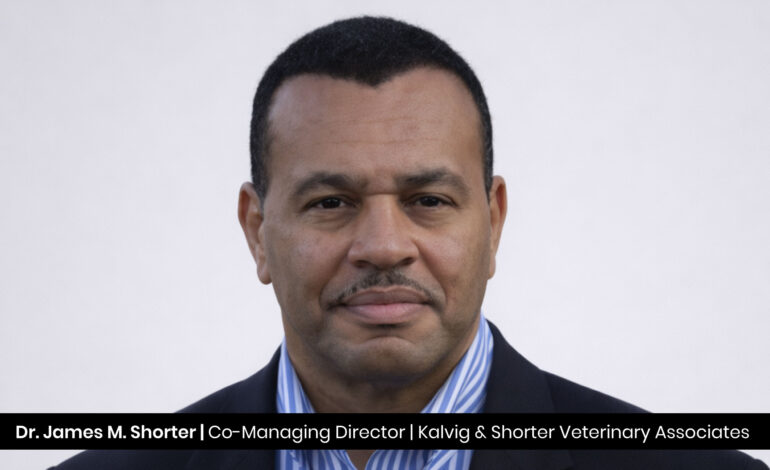
Dr. James M. Shorter: A Life Defined by Care

Some lives are defined not by a single moment, but by the quiet courage to begin again day after day, leaf after leaf. Dr. James M. Shorter’s journey is one such story.

Over more than four decades, Dr. Shorter has dedicated his life to veterinary medicine with an unwavering belief in service, compassion, and excellence. During seven transformative years at NYVH (New York Veterinary Hospital), his leadership became a catalyst for unprecedented growth, driven by a deep commitment to client service and the highest standards of patient care. Yet, it was in moments of uncertainty when experience met humanity that his true character came into focus.

On one of the darkest days in modern history, Dr. Shorter made a swift and courageous decision as a civilian to step into the unknown at Ground Zero. Confident that his veterinary training could provide steady hands and skilled care, he answered a call that few were prepared to face. For the next seven weeks, more than 350 Search and Rescue dogs received treatment at the SCSPCA Mobile MASH Unit, while their exhausted handlers found rest, compassion, and solace. Nearly 196 veterinary volunteers worked side by side under protocols that Dr. Shorter and his colleagues established, refined, and upheld turning chaos into coordinated care.

That experience would echo forward in time. When the world faced another crisis nearly two decades later with the emergence of COVID-19, the lessons of preparedness, collaboration, and calm leadership proved invaluable. The irony was not lost: resilience, once forged in tragedy, had become a guiding principle for response and recovery.

Beyond emergency medicine, Dr. Shorter’s philosophy extends into everyday life. A passionate gardener, he approaches both landscapes and learning with the same intention designing environments that nurture growth, healing, and connection. His commitment to mentorship reflects this belief. Students from high schools and veterinary programs around the world, from every background and identity, have found guidance under his watchful eye. To him, diversity is not an accessory to progress; it is its foundation.

Dr. Shorter’s story is not about standing still on past achievements. It is about turning over a new leaf every day in practice, in people, and in purpose. By embracing the world in all its differences and complexities, he reminds us that care is not only a profession, but a way of life.

Journey of Surgical Mastery, Client Confidence, and Thoughtful Practice Leadership

Dr. James often reflects that one of the most formative experiences of his career began when he was hired as an associate veterinarian in Teaneck, New Jersey. He worked under the previous owner for five years before ultimately purchasing the practice a traditional pathway through which many veterinary owners established their foundations. The former owner was a demanding mentor and a politically influential figure within the American Veterinary Medical Association (AVMA), which set a high bar for professional discipline and expectations.

During those early years, Dr. Shorter was largely on his own, particularly in surgery, requiring him to develop competence and confidence at an accelerated pace. As the youngest associate, he worked closely with staff and focused on building trust with clients who initially questioned his skills and experience due to the noticeable age gap. To overcome this, he committed himself to continuous improvement, including completing several unpaid internships to further strengthen his clinical expertise.

A significant advantage came from his education at Tuskegee University, where he gained extensive hands-on surgical experience by working summers on campus. The training was rigorous and practical, with surgical opportunities contingent upon maintaining patient stability and outcomes an experience that sharpened both skill and responsibility.

The client base in Teaneck was largely affluent and well educated, comprising professionals from diverse backgrounds including entertainment, music, and law. Dr. Shorter quickly learned that success depended not only on clinical ability but also on confident communication and the ability to clearly convey expertise. Through dedication and preparation, he earned both client trust and professional credibility.

In his current role, Dr. Shorter serves as the primary surgeon and senior veterinarian in his practice. He maintains long-standing client relationships while continually welcoming new ones, strengthening bonds through consistency and excellence in care. Operational responsibilities such as scheduling, payroll, and employee management are handled by his partner, allowing him to focus fully on clinical leadership and patient outcomes.

At the core of Dr. Shorter’s philosophy is an unwavering focus on client experience and confidence. The practice delivers concierge-level service, becoming an integral part of clients’ lives through the shared responsibility of their pets’ health and wellbeing. Every aspect of the operation from reception and facilities to technician expertise and associate competence is carefully aligned with this mission.

Located in a historic brownstone in Murray Hill, New York, the practice benefits from strong street visibility, featuring a front courtyard and a grandfathered fluorescent sign. Seasonal and holiday displays are showcased both inside and outside the practice, drawing the attention of passersby and tourists alike. A passionate gardener, Dr. Shorter personally designs and maintains the landscaping, ensuring the surroundings evolve with the seasons. Changing planters and a large picture window that offers a glimpse into the practice create a welcoming, engaging presence that reflects the care found within.

Why Time, Transparency, and Thoughtful Care Still Matte

Dr. James does not view progression into a senior role as a difficult transition. Rather, it evolved naturally through mentorship, teaching, and mutual respect. His practice takes great pride in mentoring students from all walks of life high school students, veterinary students from around the world, and individuals of every ethnicity, gender, and background. A passionate educator, Dr. Shorter relates easily across generations, earning trust and engagement through approachability and experience.

His ability to connect with diverse teams is further shaped by life beyond the clinic. Raising two successful children into adulthood his daughter, now an OB-GYN at Stanford University, and his son, a practicing attorney in Houston, Texas has given him perspective and empathy that translate directly into leadership. The enduring success of his mentorship is reflected in the steady stream of testimonials the practice receives, as well as the frequent messages from former mentees who remain in contact and seek guidance as they advance in their own careers.

At the core of Dr. Shorter’s professional philosophy is a firm belief in fundamental principles of quality care. He considers this one of the defining strengths of private practice, which he views as superior to many corporate veterinary models. His team does not follow rigid, “cookbook” approaches to medicine, nor are associates encouraged to do so. Every case is treated as unique and deserving of thoughtful, individualized assessment.

Each evaluation begins with a thorough review of prior medical records, when available, to identify gaps or deficiencies in earlier care. This is followed by a comprehensive examination that includes observation, palpation, gait analysis, assessment of smell, and detailed evaluation of the heart, lungs, and mucous membranes. Equally important is the instinctive clinical impression formed even before a formal history is taken. Careful attention is paid to relevant details such as recent travel, diet, and gastrointestinal status.

Time, in Dr. Shorter’s practice, is never the limiting factor. He and his team devote whatever time is required to collect accurate information and deliver the highest standard of care. Clinical decisions are not driven by artificial intelligence, inflexible protocols, or arbitrary time constraints limitations he believes are too often present in corporate settings.

Transparency and communication are central to the client experience. Treatment plans are explained clearly, including the rationale for diagnostic tests and potential outcomes. When appropriate, estimates are provided to ensure informed decision-making, and clients are kept aware of both anticipated and evolving costs. Each practitioner is responsible for ensuring these discussions are thorough and complete.

Effective care also depends on collaboration. Open communication among staff is actively encouraged, as Dr. Shorter believes this is essential to success. Recognizing that handling certain species or aggressive animals can be challenging, the practice relies on the most experienced team members when needed ensuring safety, confidence, and optimal outcomes for both patients and staff.

A Practice Rooted in Experience, Evolving with Every Generation

Dr. James believes the veterinary field is experiencing rapid expansion, particularly in the post–COVID pandemic era. As many individuals turned to pets for emotional stability and comfort during uncertain times, the human–animal bond has grown deeper and more significant. In his view, the connection between a puppy and its owner offers a level of companionship and grounding that cannot be replicated by digital distractions.

He recognizes that generational perspectives strongly influence workplace dynamics and staff performance. Building a team that reflects diversity in ethnicity, age, experience, and worldview not only strengthens hospital operations but also positions a practice for sustained, long-term success. Dr. Shorter sees inclusivity not as an initiative, but as a strategic and cultural necessity.

Preparedness is a principle he lives by. As an avid traveller, a student of history, and a veterinarian of color, Dr. Shorter brings a broad, global perspective to his work. These experiences allow him to anticipate and understand a wide range of human interactions, which he actively shares with his staff and colleagues to help them grow both professionally and personally.

At the heart of his philosophy lies pride pride in the veterinary profession, in personal integrity, in the business one builds, and in the reputation earned over time. Equally important is sensitivity to client needs. For Dr. Shorter, the ultimate reward comes from a satisfied client and the sight of a pet on the path to recovery an experience he describes as both humbling and deeply fulfilling.

He frequently places himself in the client’s position, imagining the vulnerability that comes with limited medical knowledge and the fear of facing illness or loss involving a beloved companion. In such moments, he believes clients deserve clear explanations, compassionate dialogue, and reassurance without condescension or haste.

This approach is deeply personal. Dr. Shorter’s mother was a pediatrician, and he recalls observing how she communicated with anxious parents. Babies could not speak for themselves, just as pets cannot making empathy and communication essential. Fear surrounding potential loss or life-threatening conditions demands patience, understanding, and care, with no room for compromise.

While strong clinical experience forms the foundation for effective mentorship and teaching, Dr. Shorter emphasizes that it must always be paired with thoughtful communication. Embracing the world in all its differences, complexities, and sensitivities is essential to navigating emotionally charged situations. Working with the public often involves heightened fear and emotion, and Dr. Shorter remains firm in his belief that these moments must always be met with professionalism, respect, and unwavering compassion.

A Career Defined by Excellence, Service, and the Courage to Evolve

Embracing the world its differences, variations, and peculiarities is often overlooked, yet essential. For Dr. James, adaptability and awareness are not optional traits but foundational principles, especially when practicing veterinary medicine in New York City, where every individual who walks through the door brings a unique story, expectation, and emotional need. In a city with countless choices, this mindset rooted in respect, preparedness, and empathy is what Dr. Shorter believes truly sets a practice apart, now and for the future.

Dr. Shorter leads by example. He challenges the common misconception that loving animals alone is enough, or that veterinary medicine offers refuge from working with people. In reality, he believes the profession demands deep human connection. This understanding was shaped early in life while observing his mother, a pediatrician, communicate with anxious mothers and vulnerable children. Babies could not speak for themselves just as pets cannot making compassionate, clear communication not merely important, but essential. That early exposure instilled in him the belief that veterinary medicine, much like human medicine, requires the mindset of a general surgeon: disciplined, decisive, and deeply human-centered.

A native of Washington, D.C., Dr. Shorter is a proud graduate of Tuskegee University and the Tuskegee College of Veterinary Medicine (Class of 1978). After graduation, he moved to New Jersey, where he began his career as an associate veterinarian. Four years later, he became the owner of Bergen Animal Hospital in Teaneck, developing professional interests in small animal surgery, internal medicine, and zoonotic diseases. Under his leadership, Bergen Animal Hospital became an AAHA-certified facility, featuring a staff dermatologist and two full-time associates.

Dr. Shorter’s dedication and leadership earned him recognition as Northern New Jersey Veterinarian of the Year (1988–1989) by his local Veterinary Medical Association. He also served as President of the Northern New Jersey Veterinary Medical Association (1982–1983) and Vice President (1981), further solidifying his role as a respected leader in the profession.

After 23 years of practice in New Jersey, Dr. Shorter sold Bergen Animal Hospital in 2000 and joined New York Veterinary Hospital (NYVH) in Manhattan as Chief Surgeon and Associate Veterinarian. Through his thorough case approach, professional integrity, surgical excellence, and strong communication skills, he quickly developed a loyal Upper East Side clientele. Over the next seven years, he played a pivotal role in the unprecedented growth of NYVH, driven by an unwavering commitment to patient care and client service.

In January 2007, Dr. Shorter and his partner founded Kalvig & Shorter Veterinary Associates, later opening their newly renovated brownstone facility on April 1, 2013, in the historic Murray Hill neighbourhood. The practice rapidly established itself as a trusted, full-service veterinary hospital, drawing clients not only from the local community but from across New York City and New Jersey.

Beyond clinical excellence, Dr. Shorter’s legacy includes service in times of crisis. He is a co-founder of the New York City Veterinary Emergency Response Team (NYCVERT), formed in the aftermath of September 11, 2001. On that day, Dr. Shorter made the courageous decision to close his hospital, mobilize his team, and head downtown with medical supplies confident that his training could provide steady hands amid uncertainty. His leadership helped lay the groundwork for a coordinated veterinary emergency response that would serve the city in its most critical moments.

Today, Dr. Shorter’s philosophy remains rooted in adaptability, pride, and compassion. In a profession that sits at the intersection of medicine and emotion, he continues to prove that excellence is not static it is built by meeting people where they are, understanding the world in all its complexity, and leading with integrity every single day.

Tails of Hope: Innovation, Service, and Leadership in Action

Dr. James is prominently featured in Tails of Hope, where he serves as the veterinary advisor and principal designer of a groundbreaking Comprehensive Mobile Veterinary Hospital. This state-of-the-art facility is housed within a 53-foot tractor trailer and is specifically engineered for rapid deployment to disaster sites, providing critical medical support to Search and Rescue (SAR) dogs and their handlers. As of this writing, it remains the only prototype of its kind.

This initiative stands as Dr. James’s principal professional achievement. In addition to designing the mobile hospital, he played a key role in developing specialized training courses for SAR handlers, equipping them with essential field-response protocols tailored to various disaster scenarios. Through Tails of Hope, he has helped train military units, Transit Police, and local and state response dog handlers.

Dr. James is also among the very small percentage — approximately 1.5% — of Black veterinarians in the United States who own private veterinary hospitals. He has expressed concern about the rapid expansion of corporate veterinary practices and specialty hospital chains, which significantly impact independently owned practices like his. In New York City, corporate facilities have become widespread, while the number of private practices continues to shrink — directly affecting the accessibility and personalized level of service that independent hospitals strive to provide.

His work reflects not only innovation in veterinary disaster response but also leadership in preserving independent, community-centered veterinary care.

Leading with Courage, Compassion, and Crisis-Ready Innovation

Dr. James skilfully coordinated the initiation of treatments, medical protocols, logistics, and volunteer scheduling to care for the Search and Rescue (SAR) dogs already working tirelessly at Ground Zero. What began as an urgent response quickly evolved into an organized, sustained operation. Over the next seven weeks, more than 350 SAR dogs were treated at the Suffolk County SPCA Mobile MASH Unit, while their handlers were provided much-needed rest, compassion, and emotional support. Nearly 196 veterinary volunteers served during this period, operating under veterinary protocols that were originally established, continuously updated, and rigorously maintained by Dr. Shorter, his hospital team, and his colleagues from September 11.

When Veterinary Medical Assistance Teams (VMAT) arrived at Ground Zero days later, they commended the systems already in place recognizing the effectiveness, organization, and professionalism of the response that Dr. Shorter and his colleagues had rapidly implemented. This groundwork laid the foundation for long-term preparedness. In 2002, the New York City Office of Emergency Management (OEM) formally invited NYCVERT to become an integral part of the city’s disaster planning efforts for animal constituents, as a member of the newly formed Animal Planning Task Force (APTF).

That same year, Dr. Shorter was honored with the New York State Veterinary Medical Association Tribute Award for his extraordinary work at Ground Zero. His service during this devastating tragedy was further recognized by the Long Island Veterinary Medical Association, Veterinary Centers of America, and the Suffolk County SPCA, acknowledging both his professional excellence and unwavering commitment to community service.

Dr. Shorter’s role in emergency response did not end there. In 2012 and 2013, he played a key veterinary role during citywide NYCVERT activations in response to Hurricane Irene and Superstorm Sandy, and he continues to remain an active member of ongoing NYC VERT initiatives. In March 2010, he expanded his humanitarian reach beyond U.S. borders, organizing and participating in a mission to Haiti as a representative of NYC VERT. Alongside two fellow veterinarians and three local team members, he travelled by truck across the country to Port-au-Prince, just two months after the devastating earthquakes. The team delivered food, medical supplies, hospital equipment, weather gear, clothing, toys, educational materials, and essential resources to clinics and orphanages still struggling in the aftermath.

In addition to his 42-year career as a veterinarian, surgeon, and successful practice owner in New Jersey and New York City, 2020 presented yet another historic challenge. Beginning in March, Kalvig & Shorter Veterinary Associates remained open and operational seven days a week as an essential service throughout the COVID-19 pandemic even as New York City became the epicenter of a global crisis. While many practices and businesses were forced to close, Dr. Shorter and his team chose to serve.

Facing unprecedented financial, health, and safety challenges, the practice implemented emergency operational changes early and decisively. Drawing on firsthand experience in emergency response and crisis management dating back to September 11, Dr. Shorter once again demonstrated calm, measured leadership. The deliberate protocols and safeguards put in place enabled the practice to continue caring for patients, clients, and the broader community safely and effectively.

As new waves of uncertainty emerged, Dr. Shorter and his colleagues remained focused, steady, and prepared. The irony of the COVID-19 pandemic occurring 19 years after 9/11 is not lost on those who witnessed both moments. In each instance, experience, preparedness, and decisive leadership proved essential reinforcing a lifelong commitment to service that has defined Dr. Shorter’s career.

A Life of Service, Leadership, and Compassion Beyond the Clinic

Beyond his clinical excellence, Dr. James’ career reflects a lifelong commitment to service, mentorship, and global awareness. He has served as a teen mentor for The Covenant House, participated in cultural exchange missions to Cuba in 2007 and 2009, and remains a committed supporter of organizations including the Equal Justice Initiative, Southern Poverty Law Center, and Adopt-A-Village. Through his veterinary practice, he has consistently donated time, expertise, and resources to causes such as NYC VERT, CTI Harvest, Feeding Pets of the Homeless, Military Mascots, Suffolk County SPCA, The Foundling Home, and Tails of Hope Foundation extending care well beyond the walls of his hospital.

Dr. Shorter’s career spans more than four decades of dedicated service to the veterinary profession. As both a surgeon and primary care veterinarian, he has practiced medicine with an unwavering commitment to honesty, ethics, and individualized care. Deeply grateful for the rigorous training and professional foundation he received at Tuskegee University, he has spent much of his career mentoring pre-veterinary students, technicians, and young veterinarians, helping to shape the next generation of professionals with the same discipline and integrity instilled in him.

His impact is reflected in the loyalty of a clientele that spans decades clients who value not only his clinical skill, but also his exceptional communication, genuine concern, and the generous time and wisdom he offers during moments of uncertainty. Dr. Shorter’s ability to balance a demanding professional life, business ownership, volunteer commitments, and personal challenges speak to his resilience and sense of purpose.

Above all, Dr. Shorter considers his role as a father to be his greatest responsibility. No matter the demands of his career, he has always prioritized meaningful time with his children and remains actively involved in their lives. He takes immense pride in his son, an attorney in Houston, Texas, and his daughter, an OB-GYN physician and Assistant Professor at Stanford University in Palo Alto, California.

Professionally, Dr. Shorter is a member of numerous veterinary and medical organizations and holds respected certifications in human sports training from the American College of Sports Medicine and the National Strength and Conditioning Association reflecting his interdisciplinary curiosity and commitment to lifelong learning. He has also been featured as a veterinary expert on major television networks including CBS, CNBC, Fox, and Channel 9, both throughout his career and for his leadership during the response at Ground Zero.

Outside of medicine, Dr. Shorter is an avid reader of history and politics, an accomplished cook, and a lifelong learner who sets high personal standards for growth. He enjoys traveling, sailing, dancing, swimming, hiking, competitive shooting, archery, and exploring cultures around the world. His travels have taken him extensively through Europe, Northern Africa, Central and South America, and the Caribbean, with many destinations still ahead.

Among his proudest personal achievements are his 30-year partnership with his life and professional partner, his children’s accomplishments, and a life defined by purpose, service, and integrity. Dr. Shorter’s story is not simply one of professional success, but of sustained commitment to people, to animals, and to leaving every community he touches better than he found it.


H&M Development: Shaping the Future of Real Estate in 2026

H&M Development is positioning itself as a revolutionary force in how cities develop, how people live, and how businesses function as the world’s real estate industry approaches a pivotal decade. Investors, urban planners, and market experts around the world continue to pay attention to the company’s long-term future outlook, new development efforts, and future plans as the industry is being reshaped by changing market trends, particularly the rise of remote work.

H&M Development is at the vanguard of rethinking, reinventing, and redefining real estate going into 2030 in light of evolving buyer preferences, sustainability requirements, and the emergence of flexible living spaces.

Future Plans for H&M Development: An Idea for Smarter Cities

The ambitious goal of redefining contemporary urban living is reflected in H&M Development’s strategy. The business is making investments in adaptable commercial hubs that combine technology, green design, and live-work flexibility, as well as smart residential clusters and community-focused retail establishments.

Its view for the future is focused on:

  • Increasing the number of mixed-use projects intended for hybrid living
  • Making energy-efficient infrastructure a priority
  • Including features that facilitate remote work, such digital-first services, coworking spaces, and smart meeting areas
  • Building communities with sustainability as a fundamental tenet

These changing tactics are in line with more general global trends that will influence real estate developments in 2024 and beyond, as cities move toward robust, tech-enabled infrastructure and buyers seek flexibility.

How Urban Planning Is Changing Due to Work-From-Home Trends

The ongoing work-from-home (WFH) revolution is one of the biggest forces behind transformation. Experts are nevertheless curious about how the trend of working from home will affect real estate and urban planning.

According to H&M Development’s research, there are three main effects:

1. Living in a decentralized manner

People don’t feel connected to urban centers anymore. In suburban belts, where H&M is actively growing new projects, this change promotes mid-density growth.

2. Housing That’s Hybrid-Ready

  • WFH requires residences with:
  • Additional rooms
  • Workspaces that are soundproof
  • Balconies outside
  • Intelligent lighting and temperature management
  • Fast connectivity

3. Commercial Real Estate Redesigned

Corporate offices are changing. Companies now favor the following over large headquarters:

  • Adaptable leases
  • Co-use areas
  • Zones with many uses

Adaptive commercial centers that may change operations in response to market demands are being constructed by developers such as H&M.

New Development Initiatives for H&M in 2026

H&M Development is initiating many high-impact projects in Florida and a few growth regions in the United States. These include residential skyscrapers, environmentally friendly business properties, and community-focused real estate designs influenced by new real estate trends (published extensively in PDF and industry papers).

Additionally, the company is using the momentum generated by the H&M sale in 2025, a year that witnessed a notable shift in investor sentiment toward solid, long-term real estate assets. H&M can investigate extensive, value-driven urban design projects for 2026 because to this financial positioning.

Redefining, Reimagining, and Reinventing Real Estate

Reimagining, reinventing, and redefining real estate 2030 are just a few of the forward-looking industry frameworks that capture global transformation themes that are in line with H&M’s long-term strategy.

By 2030, H&M wants to provide:

  • Carbon-neutral building initiatives
  • AI-powered solutions for managing properties
  • Astute community planning
  • Retail and commercial ecosystems driven by technology
  • Self-sustaining, regenerative neighborhood designs

It is anticipated that the company’s emphasis on integrated living spaces would establish new standards for real estate development in the United States.

H&M Development: Pioneering Innovation in Real Estate for Smarter, Sustainable Cities

With a strategy plan that combines innovation, sustainability, and human-centered design, H&M Development emerges as a visionary leader as 2026 draws near. Its viewpoint contributes to shaping real estate trends rather than merely following them.

H&M Development is well-positioned to impact how communities live, work, and prosper over the next ten years thanks to strong investor confidence, market-aligned initiatives, and a future based on adaptability and astute planning.

Read more: America’s Tariff Strategy: Economic Insights on Payment Balance