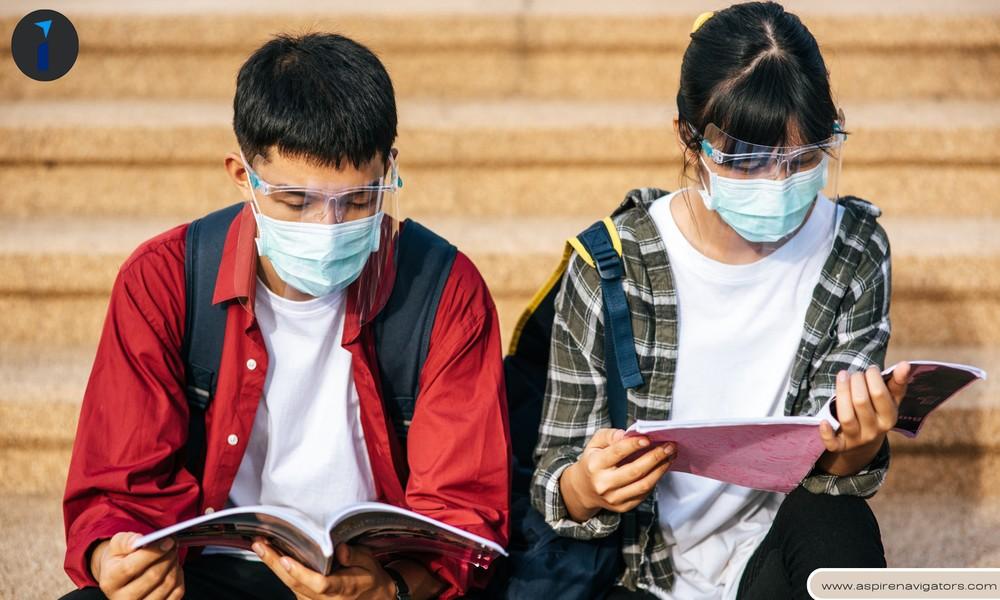
Millions of displaced people worldwide still confront major obstacles to learning, despite the fact that education is still one of the most effective means of reconstructing lives. In response to this issue, UNHCR and TECNO’s partnership is assisting in the development of creative routes that enhance refugee communities’ access to education, especially in underprivileged areas.
Stakeholders are concentrating more on creating sustainable refugee education solutions that promote long-term social and economic inclusion as global displacement approaches previously unheard-of levels. The program is a reflection of expanding efforts to improve educational disparities and provide young refugees more chances to pursue their academic and career objectives.
Experts point out that closing enduring gaps in refugee protection necessitates investments in digital access, education, and skill development in addition to humanitarian aid.
Encouraging UNHCR Refugee Education’s 2030 Vision
A key component of the UNHCR’s long-term plan is now education. The organization seeks to guarantee that refugee children and youth have fair access to high-quality education at every level of learning through the UNHCR Refugee Education 2030 framework.
By increasing access to educational resources and extending chances for digital learning, the cooperation with TECNO strongly matches with this aim.
Principal Objectives of 2030 Refugee Education
- Boost elementary and secondary school enrollment
- Increase the availability of digital learning resources
- Enhance the continuity of education while displaced
- Encourage participation in national educational systems
- Encourage career and higher education pathways
- Boost students’ learning results who are refugees
Organizations can assist in closing educational gaps that have historically hindered refugee achievement by utilizing technology and teamwork.
Promoting UNHCR Higher Education Initiatives for Refugees
One of the most significant obstacles facing displaced populations is still getting access to higher education. Many students have excellent intellectual talent but are unable to pursue further education due to logistical, legal, and financial challenges.
By putting students in touch with educational institutions, scholarship possibilities, and online learning platforms, UNHCR refugee higher education programs are assisting in addressing these issues.
Academic credentials are not the only benefits of higher education. It paves the way for communal growth, economic independence, and leadership. As a result, foreign organizations and educational partners have made increasing university access a top priority.
UNHCR Refugee Scholarships: Their Significance
Scholarships are still essential for providing refugee students with access to high-quality education. Students can pursue degrees that might otherwise be unattainable through partner-supported programs and a variety of UNHCR refugee sponsorships.
Scholarship programs provide the following advantages:
- Decreased financial obstacles
- Availability of accredited universities
- Development of professional skills
- Improved job prospects
- Increased social cohesion
- Long-term economic empowerment
These programs play a major role in fostering resilience and opening doors for upcoming generations.
Resolving Issues Identified by UNHCR Education on Hold
Learning has been severely disrupted by the global displacement issue. The difficulties refugees encounter in obtaining regular educational opportunities have been frequently emphasized in reports related to UNHCR Education on Hold.
Typical obstacles consist of:
- Restricted access to schools
- Financial difficulties
- Disparities in language
- Insufficient digital infrastructure
- Academic records that are interrupted
- Limited access to postsecondary education
Through creative technological solutions and increased access to education, partnerships like UNHCR and TECNO aim to lessen these barriers.
Opportunities and Obstacles in Training and Employment for Refugees
Employment and education are strongly related. Even though many displaced people have useful skills and experience, they frequently face obstacles when looking for employment possibilities in host nations.
Developing successful support programs requires an understanding of the employment and training opportunities and obstacles faced by refugees. Education programs that include professional development, computer literacy, and vocational training can increase economic independence and labor involvement.
Areas in Which Training Initiatives Have an Effect
- Digital skills and technology
- Development of entrepreneurship
- Teaching languages
- Certification in a vocational field
- Training for workforce readiness
- Assistance with career placement
These initiatives assist refugees in making the shift from reliance to sustainable means of subsistence.
Increasing Refugee Protection via Regional Collaboration
Issues with education frequently transcend national boundaries. Experts stress that developing practical and long-lasting solutions to regional refugee protection issues requires cross-border cooperation.
For displaced people traveling between nations, cooperation between governments, academic institutions, humanitarian organizations, and corporate sector partners can enhance educational continuity.
By guaranteeing that refugees continue to have access to educational opportunities wherever they may be, the strategy also advances more general protection objectives.
UNHCR’s Pursuit of Long-Term Remedies
Humanitarian experts frequently point out that in addition to refugees and returnees, stateless people and vulnerable displaced populations around the world are also included in UNHCR’s quest for answers. One of the best strategies for assisting these groups and promoting long-term stability is still education.
Additionally, organizations can better understand patterns of displacement and find opportunities to provide educational support along migratory pathways by using frameworks like the UNHCR route-based approach.
Building a Future with Solutions for Refugee Education
UNHCR and TECNO’s relationship serves as an example of how innovation, technology, and teamwork can improve displaced communities’ access to education. The program helps create a more fair future for refugees globally by increasing access to digital learning opportunities, funding scholarships, and encouraging inclusion.
Comprehensive refugee education solutions will continue to be essential for empowering people, bolstering communities, and paving the way for long-term opportunity and resilience as global displacement issues change.
Read our Latest Interview with Jill Hudgel