
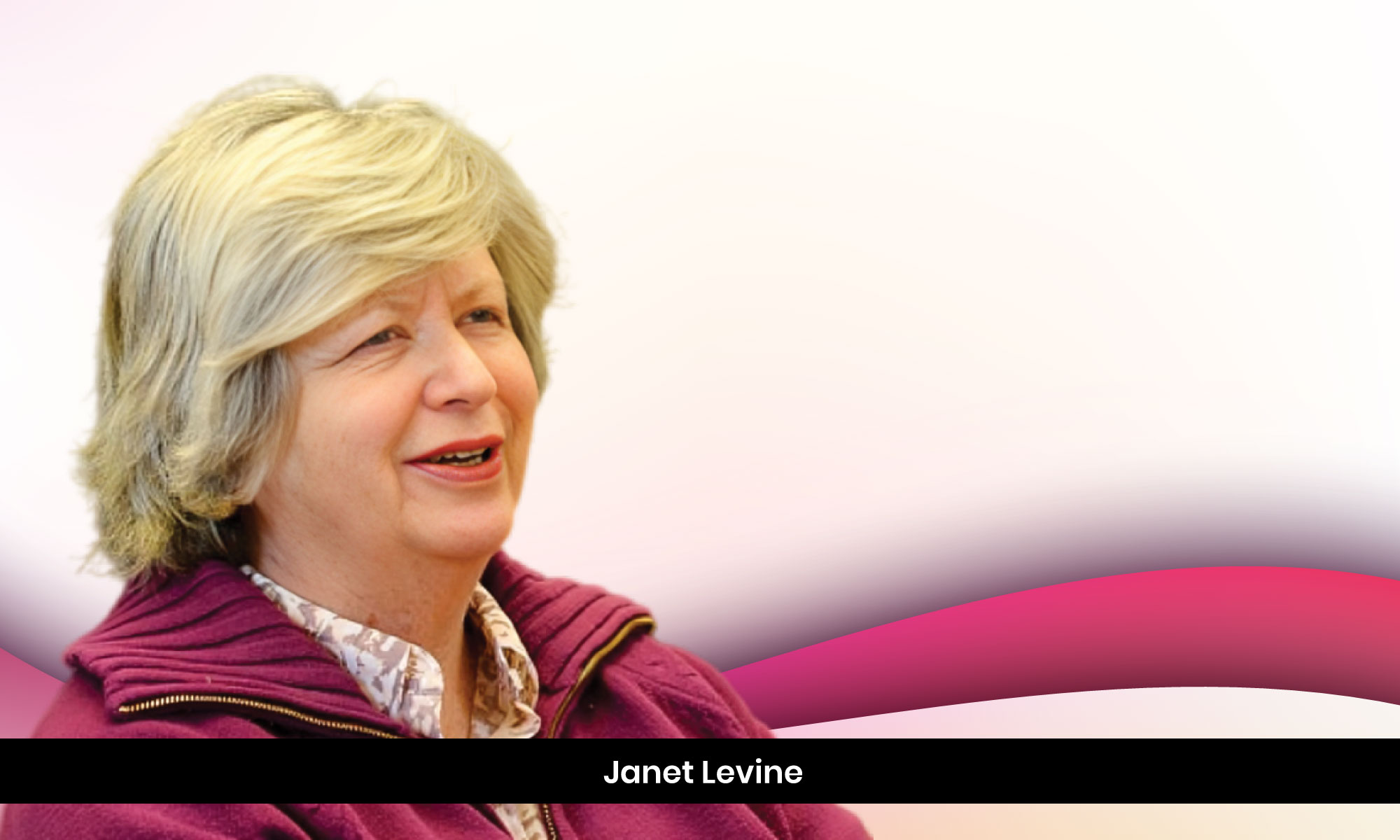
Janet Levine’s journey proves that human beings are often shaped, challenged, and ultimately defined by the circumstances they dare to confront. From the turbulent streets of apartheid-era South Africa to the intellectual stages of Boston, her life became a powerful narrative of courage, resistance, and reinvention. As the youngest person ever elected to the Johannesburg City Council and its first woman member she stepped into a world where speaking the truth carried real danger. Invited by activist editor Percy Qoboza to write for The Sowetan, the only Black newspaper serving hundreds of thousands in the townships, Levine used her voice as a weapon against injustice, despite facing death threats from the apartheid regime and its supporters.
Her acclaimed political memoir, Inside Apartheid, published by Contemporary Books and later featured on the McGraw Hill list, captures these fearless years and the risks she embraced to enlighten others. Whether standing before global audiences or teaching in intimate classrooms, Levine has always believed in the transformative power of sharing knowledge. For decades, she thrived on both the grand stage and the small one proving that while circumstances shape us, it is courage, conviction, and purpose that define who we become.
A Life Dedicated to Education, Activism, and Enlightening Others
For Janet, there was never a single defining moment that shaped her journey. Her life evolved organically through activism, education, writing, and public speaking. As a teenager in South Africa, she was already deeply involved in anti-apartheid activities, delivering speeches, participating in her high school debate team, and publishing articles in national newspapers. During her university years, she helped establish the “African Night School,” an initiative that provided residents of Soweto and other under-resourced townships with opportunities to study English and other subjects after work. Witnessing the determination and sacrifices of those students profoundly inspired her and strengthened her belief in the transformative power of education. From that point onward, educating others became one of the three defining pillars of her life, alongside writing and speaking out for justice.
Levine has always dedicated herself to sharing expertise to enlighten others a philosophy reflected in the motto of her website, janetlevine.com. After her active years in the anti-apartheid movement, writing and conducting workshops became a meaningful continuation of her activism. Her interest in the Enneagram personality model soon developed into a lifelong professional pursuit. She immersed herself in studying the system, founded an Enneagram Teachers’ Association, and launched the Enneagram Monthly Newsletter, which quickly expanded to 500 members. Her work took her across the United States and several other countries, where she conducted workshops and lectures. She also founded Transforming Teaching Workshops, further extending her commitment to personal and educational development.
Shortly after relocating to Boston, Levine wrote Inside Apartheid, her political memoir published by Contemporary Books and later included on the McGraw Hill list. The book became a bestseller, attracting widespread reviews as well as radio and television interviews. She also traveled extensively to speak on apartheid at university campuses across the United States. One of her essays was published in The New York Times Sunday Magazine, further establishing her voice as a respected commentator and author. In addition, she co-founded the Independent Schools South Africa Education Program (ISSAEP), an initiative that, over eight years, helped more than 100 young Black South Africans return home with university degrees from leading American colleges and universities.
Unwavering Fight for Truth and Justice
For Janet, justice has never been an absolute concept defined solely by those in power. She believes that when personal convictions of justice clash with the ideology of the ruling elite, individuals must find ways to challenge and disrupt the system through demonstrations, public discourse, and courageous action. Rather than remaining an observer or “armchair critic,” Levine has consistently chosen to act on what she believes to be true, even when that path carried personal risk and danger.
One of the most defining examples of this commitment came shortly after she was elected to the Johannesburg City Council as its youngest-ever member and first woman representative. Percy Qoboza, the activist editor of The Sowetan the only Black newspaper serving hundreds of thousands of township residents during apartheid invited her to write a weekly column. Levine titled it From the Laager Reaching Out, fully aware that speaking openly against apartheid would place her in direct danger. Her writings led to death threats from the apartheid government and its supporters, yet she continued to speak out fearlessly.
In her bestselling political memoir, Inside Apartheid, Levine recounts these experiences and many other dangerous exploits that reflected her unwavering belief that truth and justice require action, courage, and a willingness to confront oppression head-on. Learn more at janetlevine.com
Courage, Truth, and Transformative Leadership
For Janet, the only forces powerful enough to slow her activism were exhaustion and genuine threats to her life. Yet even in the face of danger, her responsibilities as a mother remained paramount. During the height of her activism, the safety and well-being of her young children became a deeply personal consideration, leading her to question the true cost of public resistance. This moral dilemma is explored in her recent novel, Liv’s Secrets, where she examines whether a parent should become an activist and what sacrifices such a choice may demand. For Levine, the answer has never been universal, but rather an intensely individual decision shaped by personal values and circumstances.
Teaching, however, became another meaningful stage for her lifelong mission of enlightenment and truth-telling. Levine often describes the classroom as “a little stage” one she cherished just as much as the larger public platforms on which she spoke for decades. She found immense fulfillment in guiding young, curious, and questioning minds, sharing ideas that some viewed as wisdom and others as indoctrination. Yet she remained committed to teaching what she believed to be true. Her book Reading Matters draws heavily from the philosophy courses she taught, reflecting her belief that education should challenge assumptions, encourage inquiry, and inspire independent thought.
Looking toward the future, Levine believes that leadership and progress depend on adaptability, collaboration, and innovation. In an era increasingly shaped by artificial intelligence and rapid global transformation, she emphasizes the importance of building consensus while embracing change rather than resisting it. She advocates for creating teams composed of people with diverse personalities, perspectives, and backgrounds, while encouraging younger generations to think globally and move beyond outdated norms. According to Levine, organizations and societies that value innovators, forward thinkers, and inclusive collaboration will be best equipped to act decisively and thrive in a rapidly evolving world. Learn more at janetlevine.com
Challenge the World
For Janet, perseverance remains the defining quality of leadership, activism, and personal growth. Her philosophy is rooted in resilience, self-belief, and the ability to “read the tea leaves of change” to recognize shifting social, political, and cultural realities before others do. Throughout her life, she has believed that courage begins with trusting one’s own convictions and continuing forward despite opposition, uncertainty, or fear.
As she works on her current project, The Awakening of Diya Sharma, Levine continues to explore the relationship between truth, disruption, and transformation. In both her creative process and activism, she does not define disruption simply as overthrowing systems from the outside. Instead, she believes true disruption begins internally with the courage to speak one’s truth and act according to one’s values. While no individual can change an entire system alone, every person can choose integrity, honesty, and action. For Levine, meaningful change starts when individuals refuse silence and remain committed to their principles.
Her intellectual and moral influences reflect this lifelong commitment to truth and justice. Levine draws inspiration from the complete works of William Shakespeare, whose writing explored the complexities of power, morality, and human nature. She is also deeply influenced by Steve Biko, the young Black Consciousness leader who was brutally tortured and killed by the apartheid regime, becoming a symbol of resistance and courage. Another enduring inspiration is Helen Suzman, the fearless South African parliamentarian who, for years, stood almost alone in defending human rights and the rule of law during apartheid.
Through every stage of her life as an activist, educator, writer, and speaker Levine’s message has remained constant: persevere, speak your truth, and never underestimate the power of conviction to inspire change. Learn more at janetlevine.com

