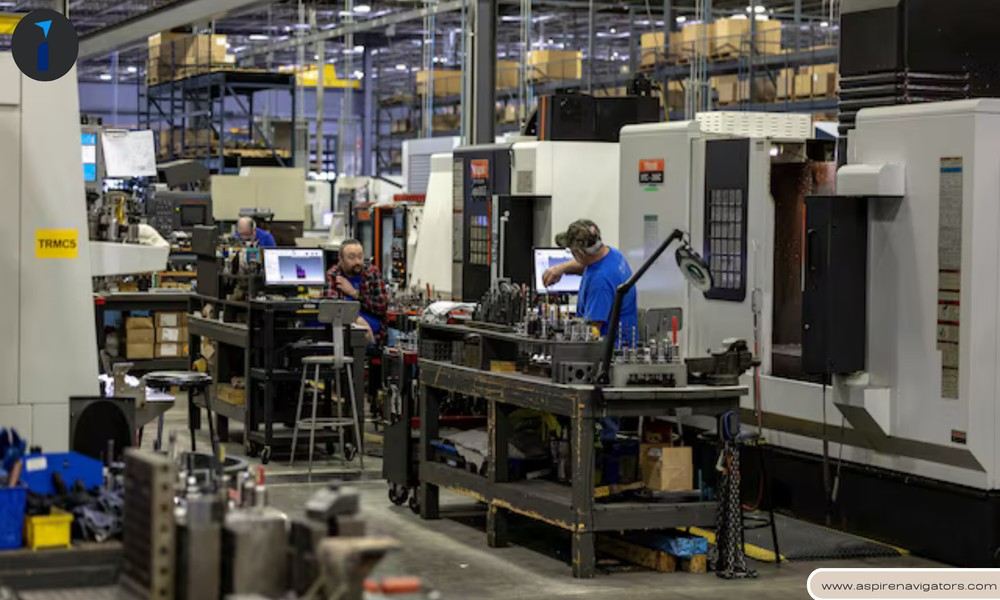
The US manufacturing industry showed signs of stronger performance in October 2026, supported by rising production, improving customer demand and increased business activity. Factory operations continued to expand, indicating that manufacturers are maintaining momentum despite economic uncertainties. However, higher raw material prices and supply chain pressures remain major concerns for businesses operating across the country.
The latest industry figures reflect a manufacturing sector that is benefiting from stronger orders and investment in technology. At the same time, companies are facing pressure to manage operating expenses while meeting customer expectations and maintaining production efficiency.
Factory Production and New Orders Support Industry Growth
Increased demand played an important role in supporting manufacturing activity during October. Businesses received more orders, encouraging factories to improve production levels and respond to customer requirements.
The growth in new orders also reflects continued demand for machinery, electronic products, transportation equipment and industrial supplies. Companies connected to technology infrastructure and data centre development are contributing to demand for specialised equipment and electronic components.
Higher production activity is creating opportunities for manufacturers and their suppliers. Businesses are also exploring ways to improve manufacturing processes, strengthen operational capacity and respond more effectively to changing market conditions.
Rising Input Prices Continue to Pressure Businesses
Despite stronger manufacturing performance, input prices remain a significant challenge. Manufacturers are dealing with higher expenses for essential materials, energy, transportation and industrial components.
These rising costs can directly affect production budgets and reduce profit margins, particularly for smaller manufacturers with limited financial flexibility. Companies may also face difficult decisions about whether to absorb additional expenses or pass some of the increases on to customers.
Managing material costs and maintaining reliable supplier relationships will therefore remain important priorities for manufacturers.
Supply Chain Conditions Remain an Important Concern
Supply chain efficiency continues to influence manufacturing operations across the United States. Delays in receiving materials and components can affect production schedules, inventory management and customer deliveries.
Manufacturers are increasingly focusing on improving supplier networks, maintaining appropriate inventory levels and identifying alternative sources for essential materials.
Digital supply chain management and better production planning are also becoming important tools for businesses looking to reduce delays and improve operational performance.
Technology Investment Creates New Manufacturing Opportunities
Technology is playing an increasingly important role in the development of US manufacturing. Investments in automation, artificial intelligence, robotics and advanced production systems are helping businesses improve efficiency and manage complex operations.
Demand associated with data centres and digital infrastructure is also supporting manufacturers supplying electronic equipment, power systems and industrial technology.
These developments are encouraging companies to modernise their facilities and invest in production capabilities that can support long-term business requirements.
What Lies Ahead for US Manufacturing?
The outlook for US manufacturing will depend on how businesses balance stronger demand with rising operating costs. Continued investment, stable supply chains and improvements in production efficiency could support further industry development.
However, persistent material costs and delivery delays may limit the benefits of increased demand. Manufacturers will need to remain flexible, control expenses and strengthen their operations to manage changing market conditions.
US Manufacturing Growth Faces a Critical Test Ahead
US manufacturing is showing positive signs of growth as production activity and customer demand improve. The expansion creates opportunities for industrial businesses, technology suppliers and the wider manufacturing supply chain. Nevertheless, elevated input prices and operational challenges remain important concerns. The industry’s ability to combine production growth with effective cost management will be essential to maintaining its momentum in the months ahead.
Read our latest interview with Derek K Cafferata