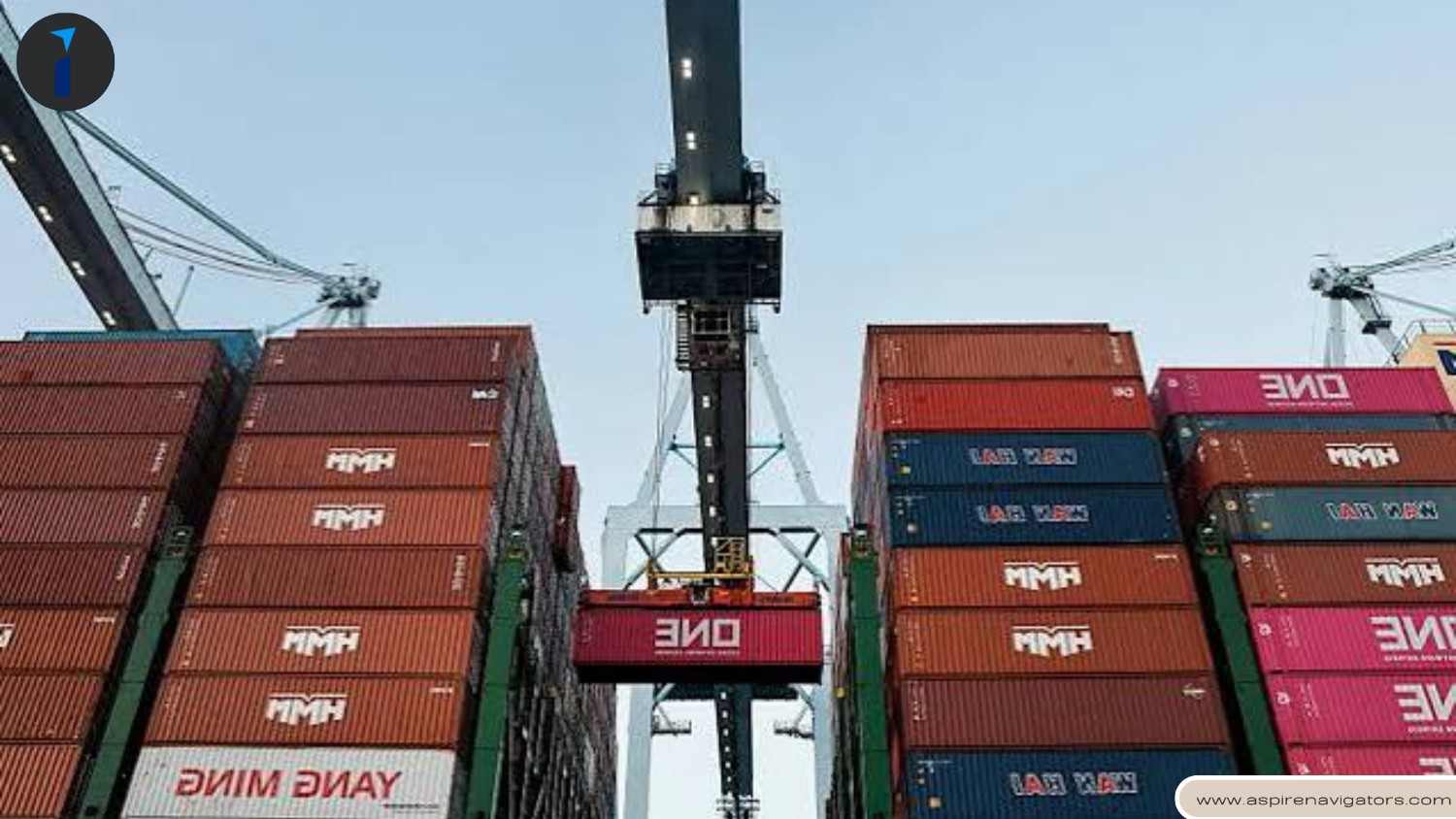
Panama Canal challenges are encouraging shipping companies to consider alternative routes and ports, including the Port of Los Angeles, as businesses look for more reliable ways to move goods. Changes in canal transit conditions, shipping schedules, and transportation costs can affect global supply chains, especially for companies moving products between Asia and North America.
The Panama Canal is a major international trade route connecting the Atlantic and Pacific oceans. When vessel movements face restrictions, delays, or higher costs, shipping companies may need to adjust their logistics plans to keep deliveries on schedule.
The Port of Los Angeles, one of the busiest container ports in the United States, offers an important alternative for cargo arriving from Asia. However, the extent to which shippers shift toward Los Angeles depends on shipping routes, vessel capacity, port congestion, and the cost of moving goods inland.
Why Panama Canal Challenges Matter for Global Shipping
The Panama Canal plays a central role in international trade by providing a shorter route between major shipping markets. It helps vessels avoid the longer journey around the southern tip of South America.
However, the canal can face operational challenges, including water shortages, weather conditions, and restrictions on vessel transits. These issues can affect how many ships pass through the waterway and how efficiently cargo reaches its destination.
When transit capacity becomes limited, shipping companies may face longer waiting times or higher operating expenses. Businesses can also experience uncertainty when planning inventory, arranging deliveries, and managing transportation budgets.
For companies working with tight delivery schedules, even small disruptions can create additional costs across the supply chain.
Why Shippers Are Looking Toward the Port of Los Angeles
The Port of Los Angeles serves as a major gateway for goods entering the United States, particularly products shipped from Asian manufacturing centers.
Its established container terminals, rail connections, trucking services, and distribution networks make it an important part of the North American logistics system.
When Panama Canal conditions create difficulties for certain shipping routes, companies may review alternative port options. For some cargo movements, sending goods through the US West Coast can offer a practical way to manage changing transportation requirements.
However, the Port of Los Angeles is not a direct substitute for every Panama Canal route. The best option depends on the cargo’s origin, final destination, vessel schedule, and total transportation cost.
Shippers must also consider port congestion, container availability, rail capacity, and the cost of transporting goods from the West Coast to inland markets.
How Route Changes Affect Businesses and Consumers
Changes in shipping routes can affect more than shipping companies. Importers, retailers, manufacturers, and consumers may also feel the impact when transportation becomes slower or more expensive.
Retailers depend on predictable delivery schedules to keep products available. Manufacturers need raw materials and components to arrive on time, while exporters rely on efficient transportation to reach international customers.
If companies pay more for shipping, they may need to adjust their budgets, delivery commitments, or product prices. The actual impact depends on how long the disruption lasts and whether alternative routes can handle additional cargo.
Businesses may respond by diversifying their shipping arrangements, maintaining additional inventory, or working with logistics providers to identify more flexible transportation options.
What This Means for Global Trade
The growing importance of alternative shipping arrangements highlights the need for flexibility in global logistics. Companies can no longer rely only on the shortest route when evaluating transportation decisions. Reliability, total cost, and the ability to respond to unexpected disruptions are also important.
Ports such as Los Angeles can play a valuable role in helping businesses maintain cargo flows when traditional routes face challenges. However, a significant shift in shipping activity may also put pressure on port infrastructure and inland transportation networks.
Monitoring canal transit conditions, port performance, freight rates, and shipping schedules can help businesses make better-informed decisions.
Shipping Companies Focus on Reliable Routes
Panama Canal challenges highlight how quickly changes in one major trade route can influence decisions across the global shipping industry. The Port of Los Angeles remains an important option for companies moving goods into the United States, particularly from Asia.
Ultimately, shipping decisions will depend on the balance between cost, transit time, port capacity, and delivery requirements. For businesses, building flexible supply chains and preparing alternative transportation plans can help reduce the impact of future disruptions.
As global trade continues to evolve, reliable logistics networks will remain essential for moving goods efficiently and supporting international commerce
Read our latest interview with